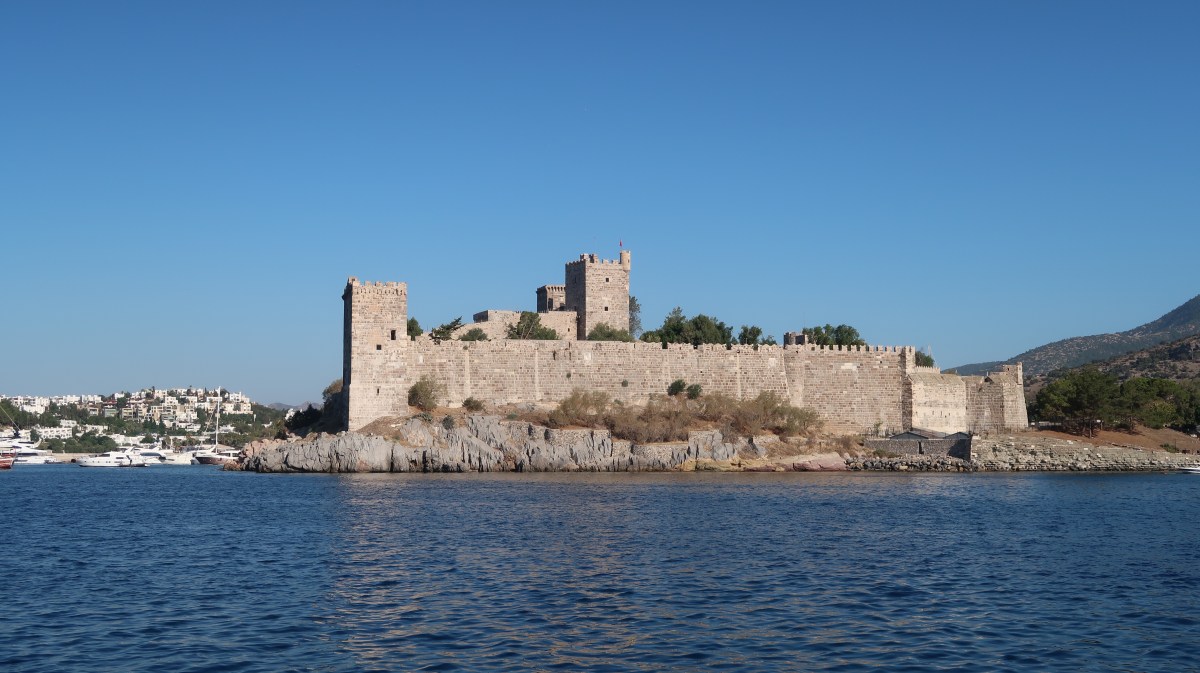
Two meters under the narrow streets of Bodrum lies 5000 years of history. In ancient times Bodrum was known as Halicarnassus, it was the birthplace of Heredotus and the site of King Mausolus’ Tomb. The city thrived under the rule of Mausolus and his wife Artemisia II (also his sister). After Mausolus’ death in 353 BC, his wife arranged for the tomb, called the Mausoleum, to be built for him. The 4th century BC Mausoleum became one of the Seven Wonders of the Ancient World.
Over the years that followed, the city came under siege many times, suffered a series of natural disasters and repeated pirate attacks which all contributed to its loss of importance by the Byzantine era.
The Knights of St John (Knights Hospitaller) arrived in 1402 and used the remains of the Mausoleum as a quarry to build Bodrum Castle on the site of an older castle. It became known as the castle of St Peter or Petronium.
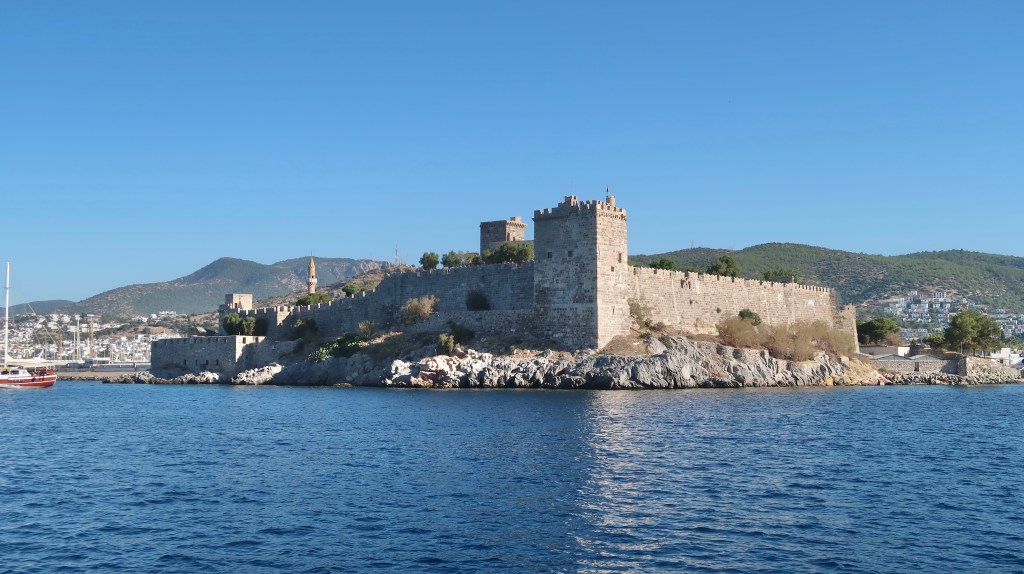
Later, in the 16th century, the town fell under Ottoman control after the conquest of Rhodes by Suleiman the Magnificent. It remained under the empire for almost 400 years.
The castle has been used for different purposes, including a military base, a mosque, Turkish baths and a prison. After being attacked during WWI, the Italians established a garrison in the castle but withdrew in 1921 when Mustafa Kemal Atatürk came to power, after which, the castle stood empty for 40 years.
We were anchored in the busy bay outside the town with a great view of the medieval castle of St. Peter, so we set off to shore, hauled Ed and Fred up on the beach, and went to explore.


By the 20th century, the city’s economy was mainly based on fishing and sponge diving, but in the 1960’s, Bodrum boomed and became a place for the rich and famous when Istanbul’s writers and artists began using it as their bolt hole, it was known as ‘little Istanbul’.
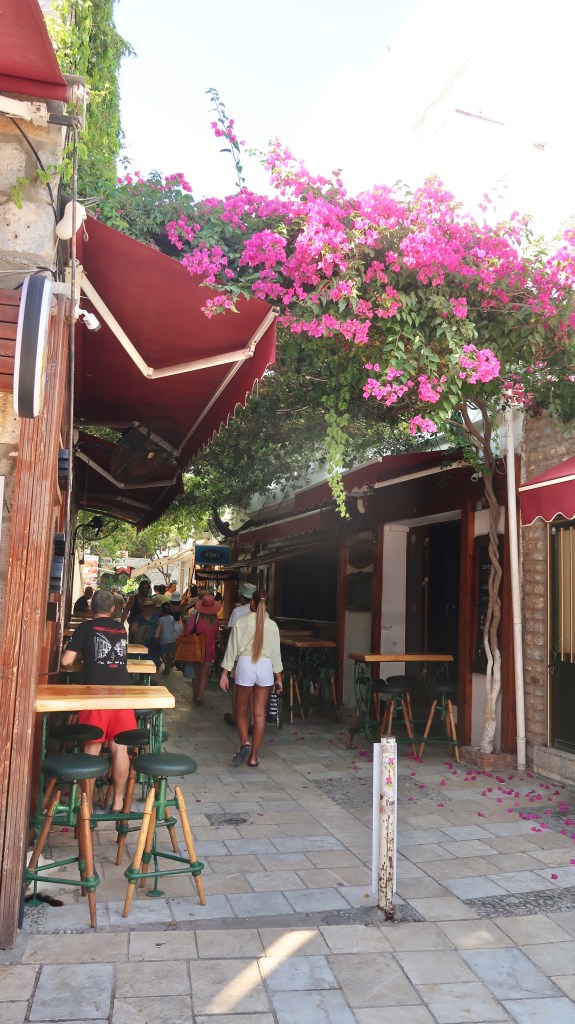
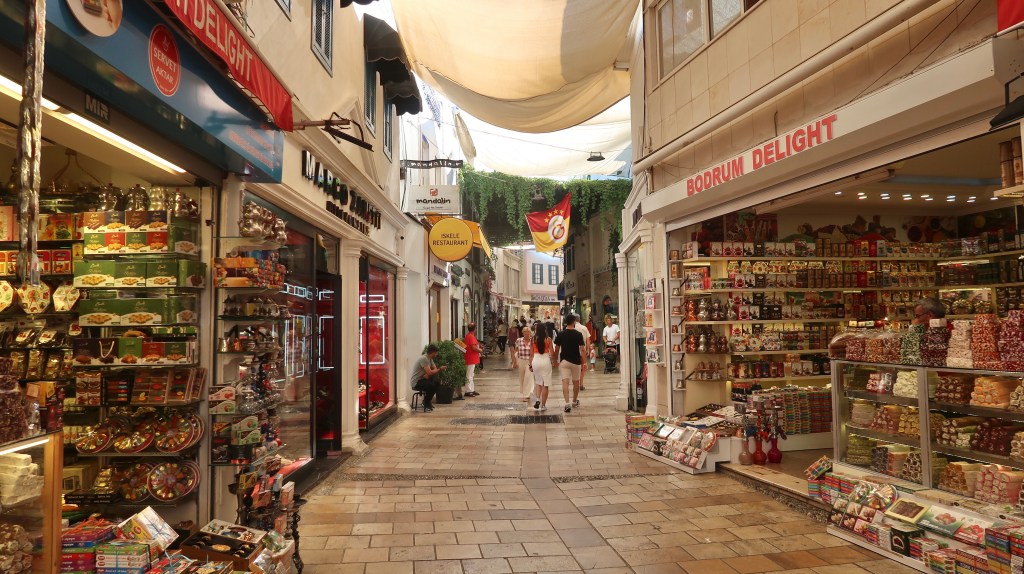
The maze of alleyways within the old town were once the place where artisans sold their wares, however, in recent decades it has become more commercialised and is now full of souvenir shops, cafes and restaurants.
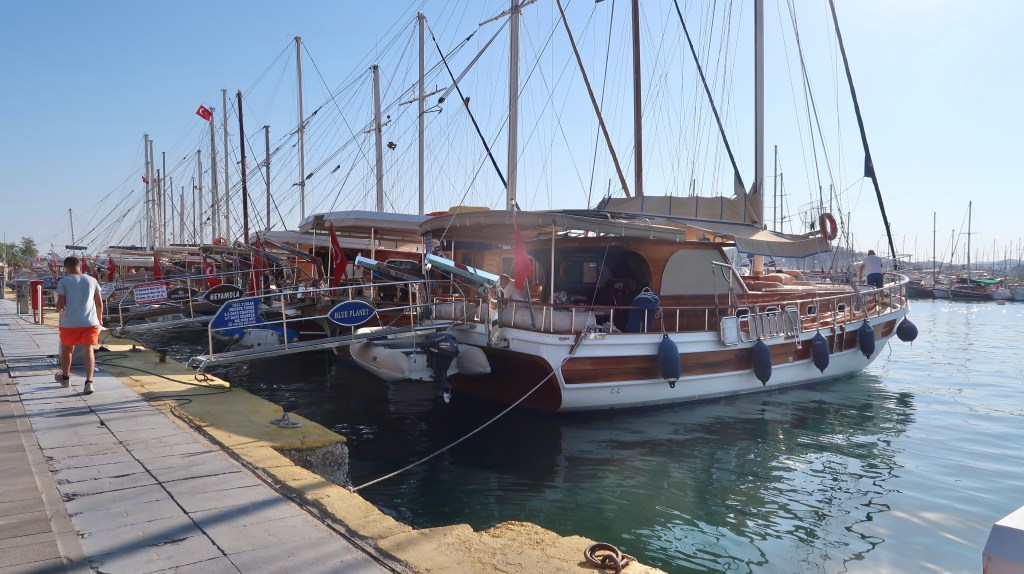
The harbour was full of gulet style day trip boats all lined up waiting for passengers.
In 1962 the Turkish Government decided to turn the castle into a museum of underwater archaeology and discoveries of ancient shipwrecks in the Aegean Sea. Due to the heat, we had waited until the evening to look around, it was still open so we went inside.
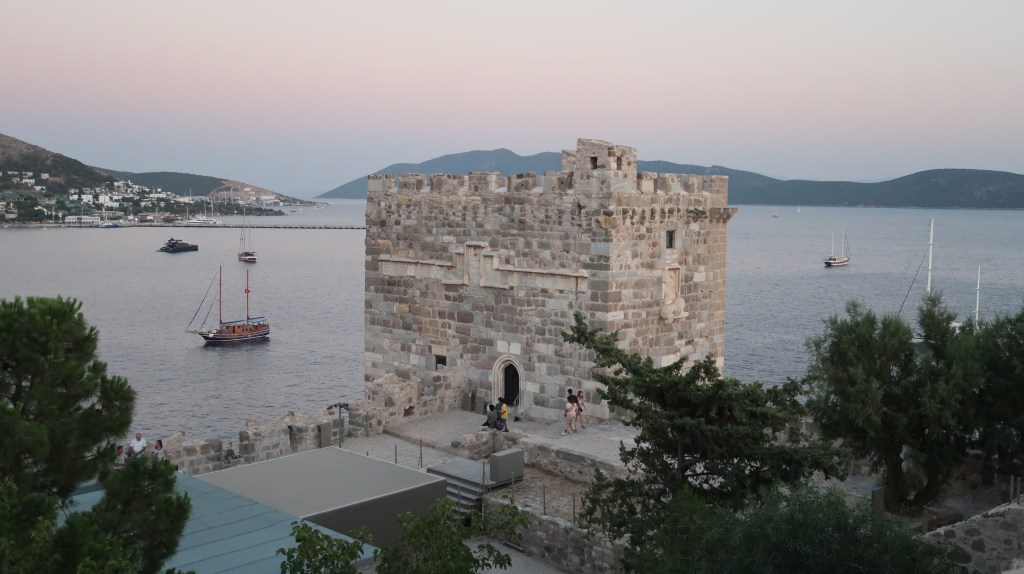
The Castle retains much of its original design and character of the Knights’ period with its Gothic style architecture.

The Knights of St John was a multinational organisation with members from several countries. Building the castle was a transnational effort, it has four towers, each of their own style, known as the English, French, German, and Italian towers, bearing the names of the nations responsible for their construction.
The erection of the three storied English tower was completed in 1413. The tower had two doors, one opening to the inner part of the castle, while the other leads out to the west, access was via a drawbridge. On the western facade there is an antique carved relief of a lion. Because of this, the tower was also called ‘the Lion Tower’. Above the lion, is the coat of arms of King Henry IV of England.
Above the gates and on the walls of the castle, the knights placed hundreds of painted coats of arms and carved reliefs. Two hundred and forty-nine separate designs still remain, including those of castle commandants, countries, and personal coat of arms of knights and religious figures.

Fourteen cisterns for collecting rainwater were excavated in the rocks under the castle. This was a monumental achievement of the day and the family who completed the excavation were given the honorific of ‘Burrows’ for their exceptional digging skills.
When the Knights decided to fortify the castle in 1494, they used stones from the Mausoleum once again. The walls facing the mainland were thickened in order to withstand the increasing destructive power of cannon. In 1513 they built a round bastion to strengthen the fortress. By 1522 almost every block of the mausoleum had been removed.

Between 1505 and 1507 the few sculptures from the mausoleum that had not been smashed and burnt for lime were integrated into the castle for decoration.

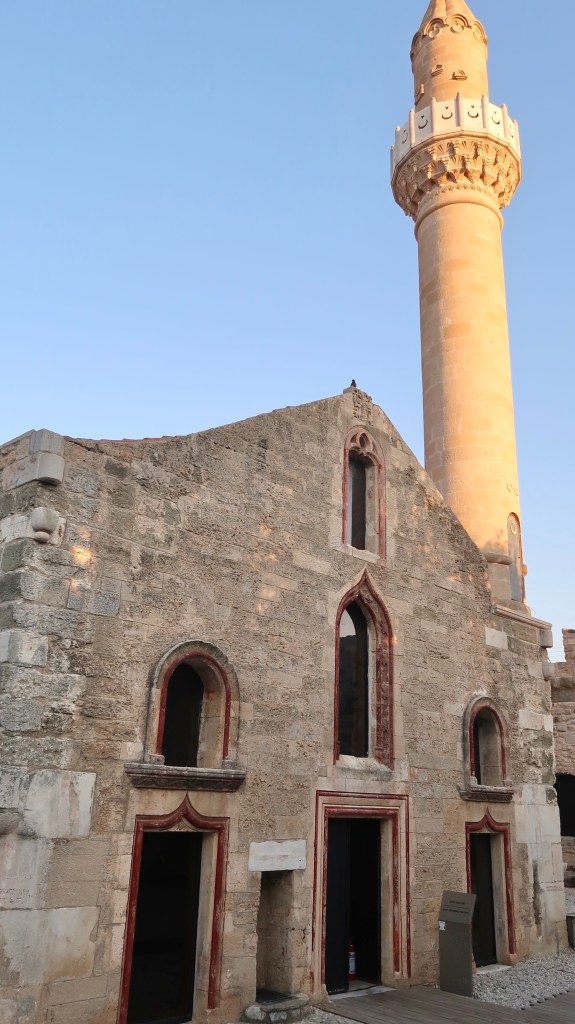
During the Ottoman era its chapel was converted into a mosque with an added minaret, it was called the Süleymaniye Camii.
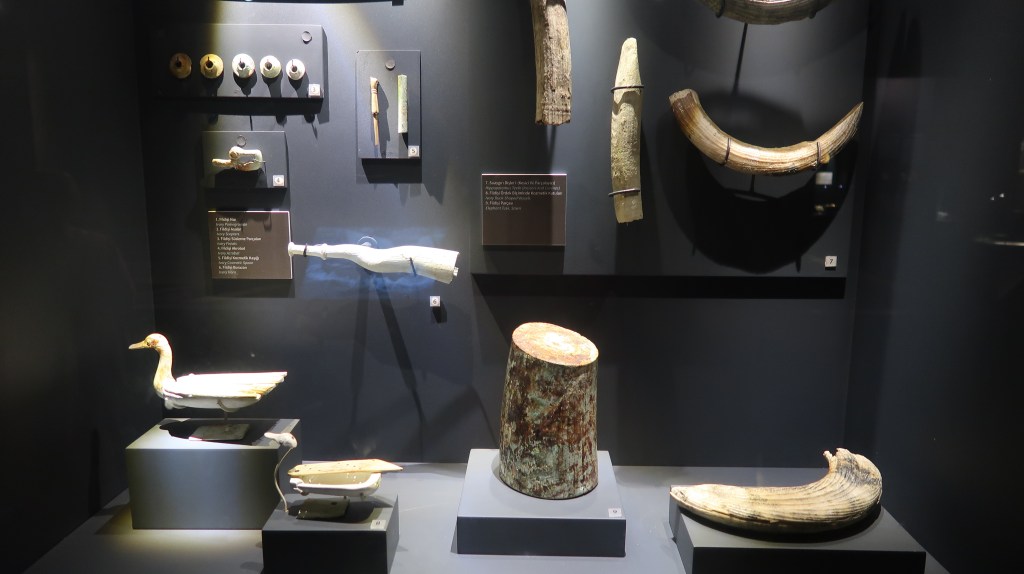
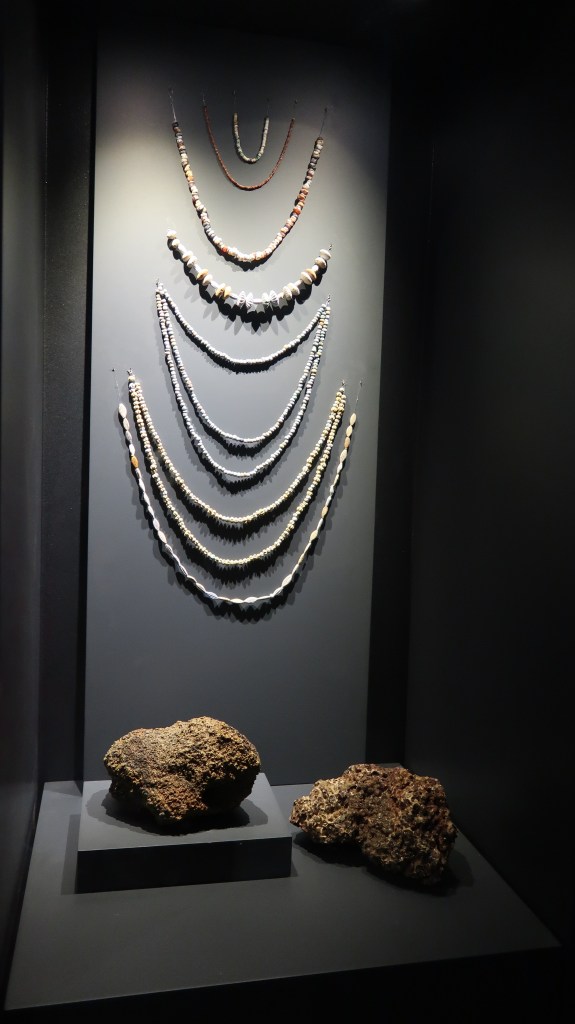
Collections of ancient glass, bronze, clay, and iron items found from underwater excavations of local shipwrecks are displayed within the castle walls.
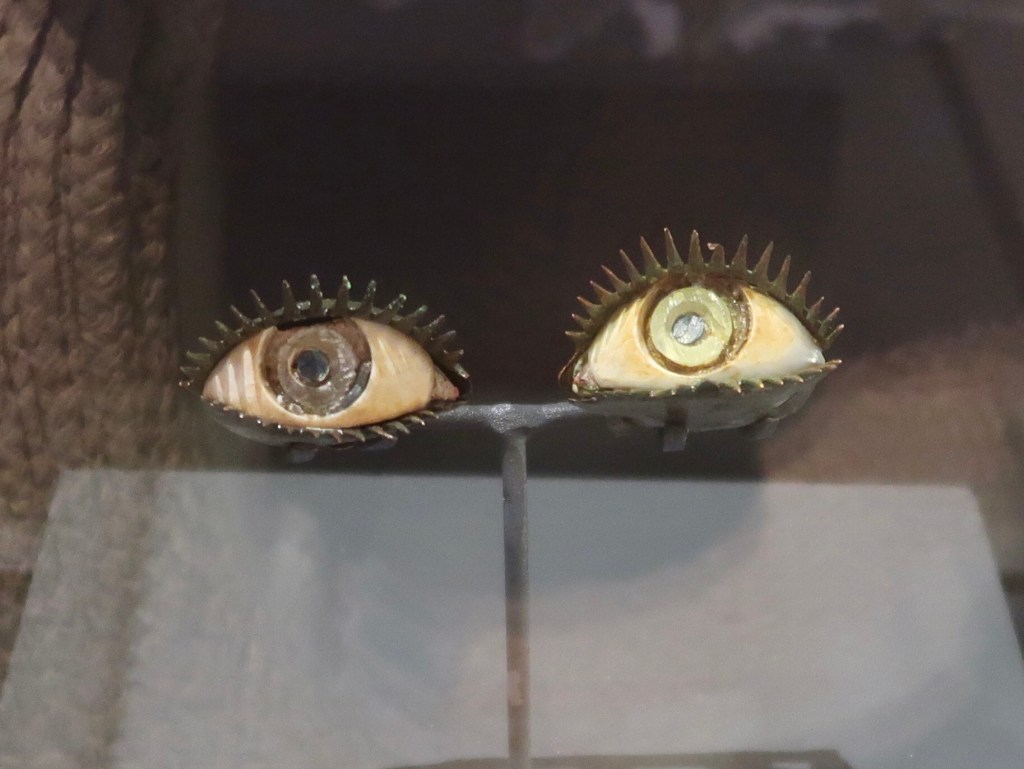
These spooky eyes are made from bronze, marbelite and coloured glass and thought to date back to the 5th century BC.
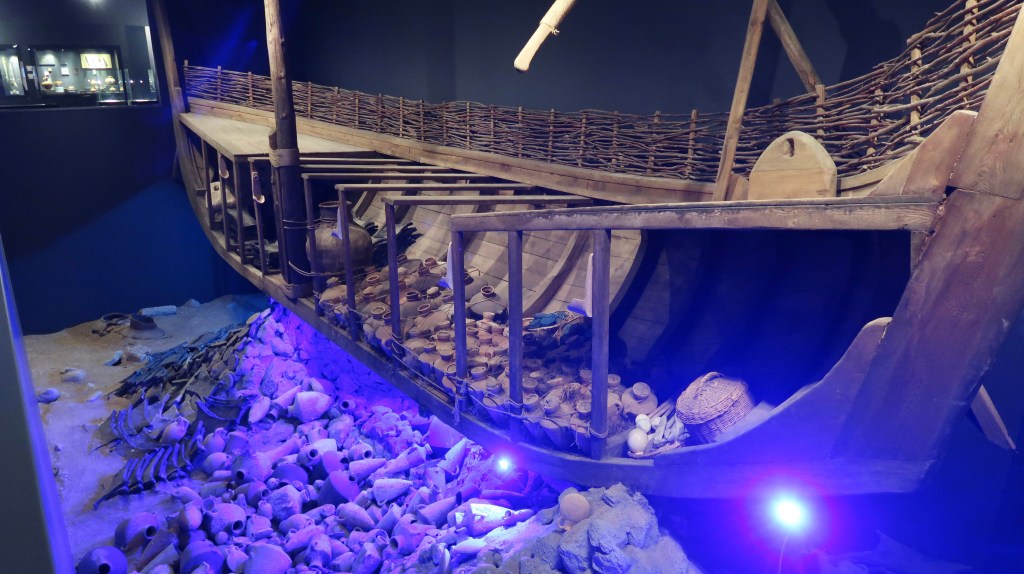
The large Uluburun Shipwreck from the 14th century BC has been reconstructed. The Bronze Age shipwreck, considered to be the oldest shipwreck in the world, was found near Kaş. It was laden with pure copper ingots, the total cargo of copper weighed at least 10 tons. A ton of tin ingots were also found in the remains. Tin and copper are the ingredients for bronze, Bronze Age tin ingots are a very rare find with only a few intact from this period.

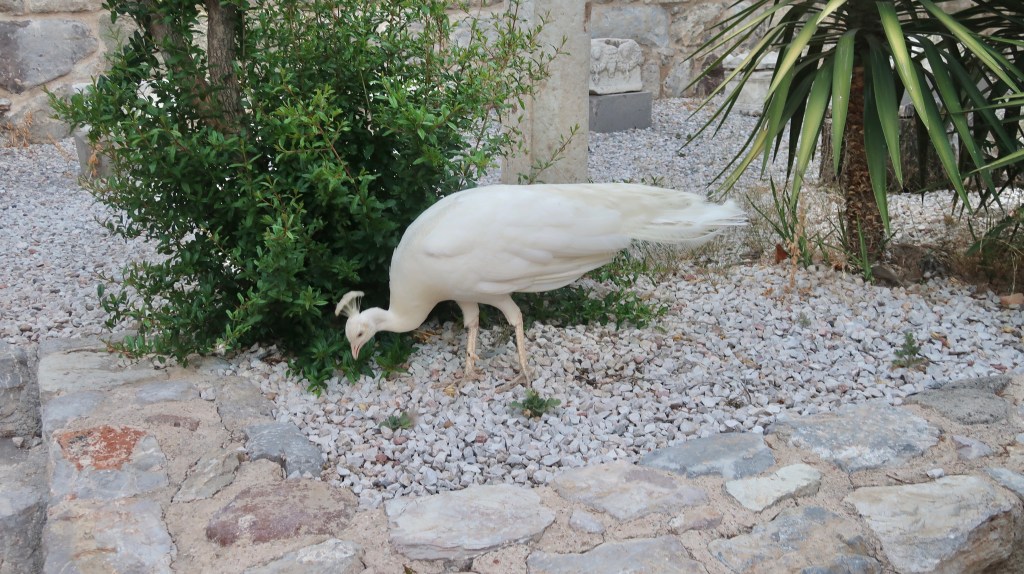
The gardens inside the castle walls are said to have a variety of almost every plant and tree of the Mediterranean region. Several peacocks parade around the bushes.


From the towers it is possible to see the entire city as well as the surrounding bays. We had great views as the sun went down.
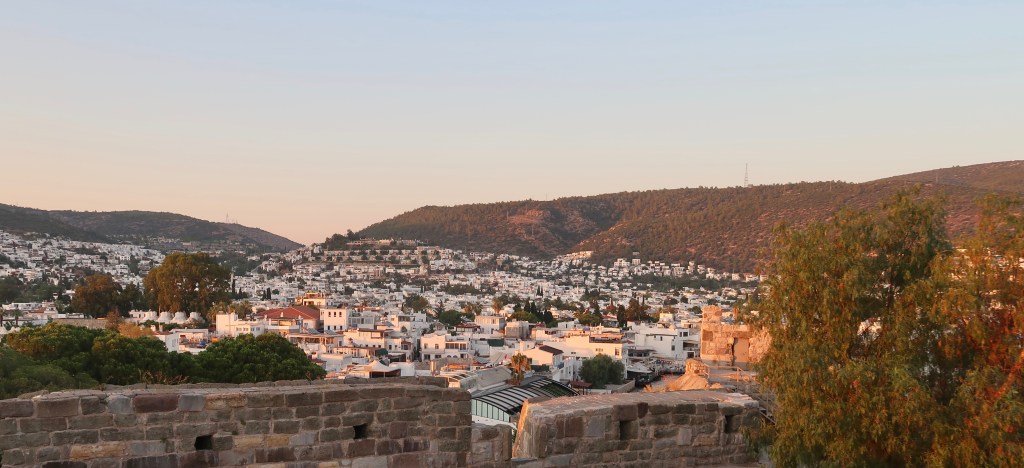
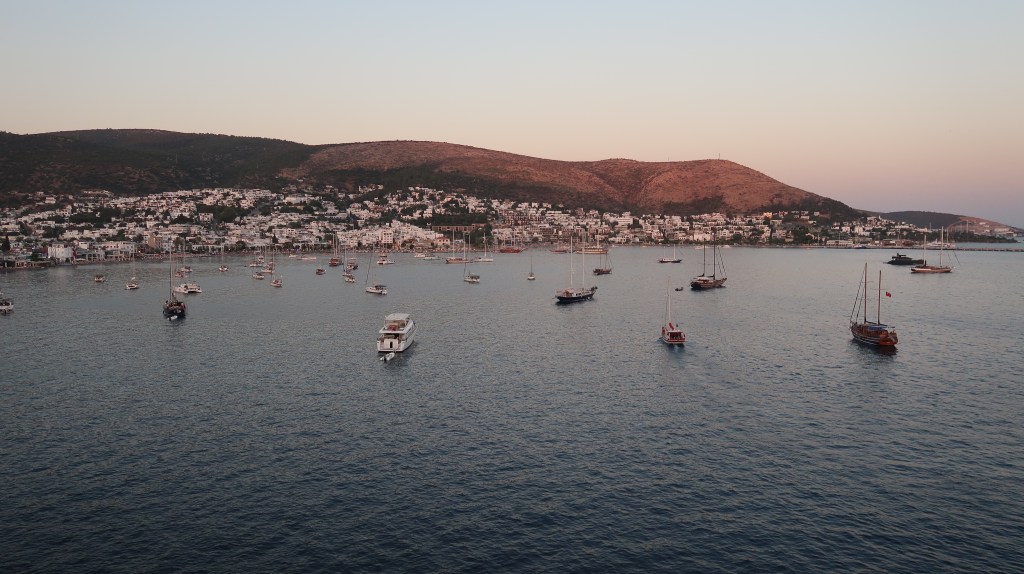


During the evening the town was very busy, we stopped for dinner and it was midnight by the time we walked back to find Ed and Fred still sitting on the beach, thankfully they were still waiting for us. After a very warm evening, the sea was calm, perfect for a late night swim.


After a couple of days here we lifted our anchor and headed out of the bay. There was a light breeze, just about enough to fill our sails as we headed around the peninsula and north towards Didim.
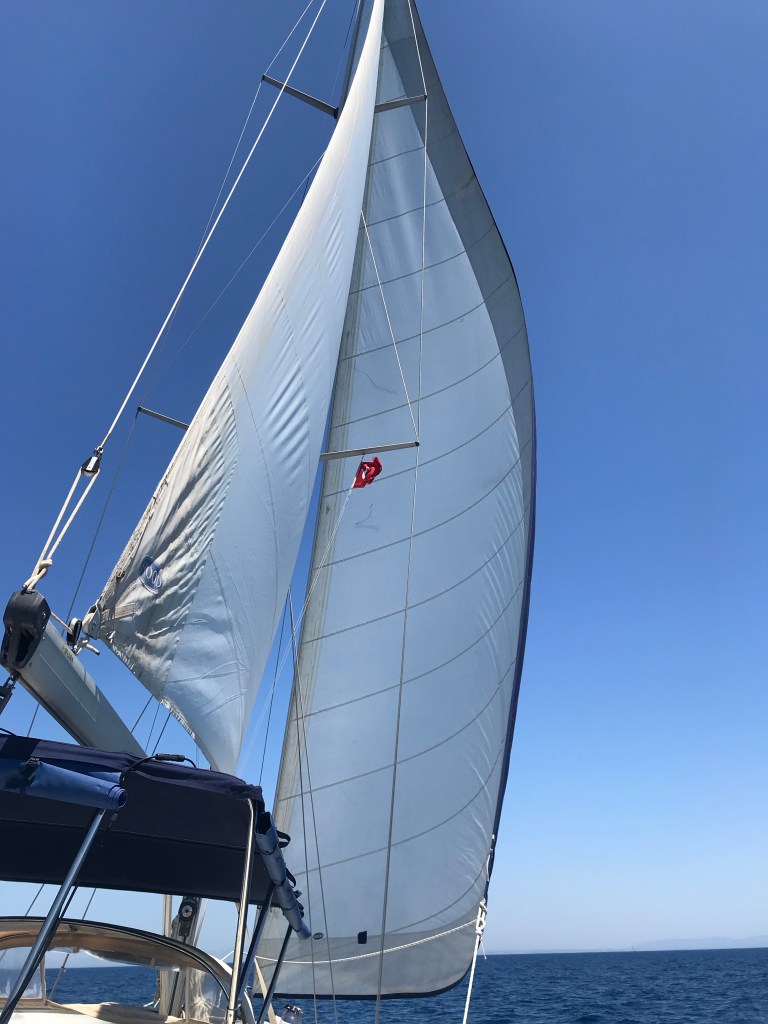
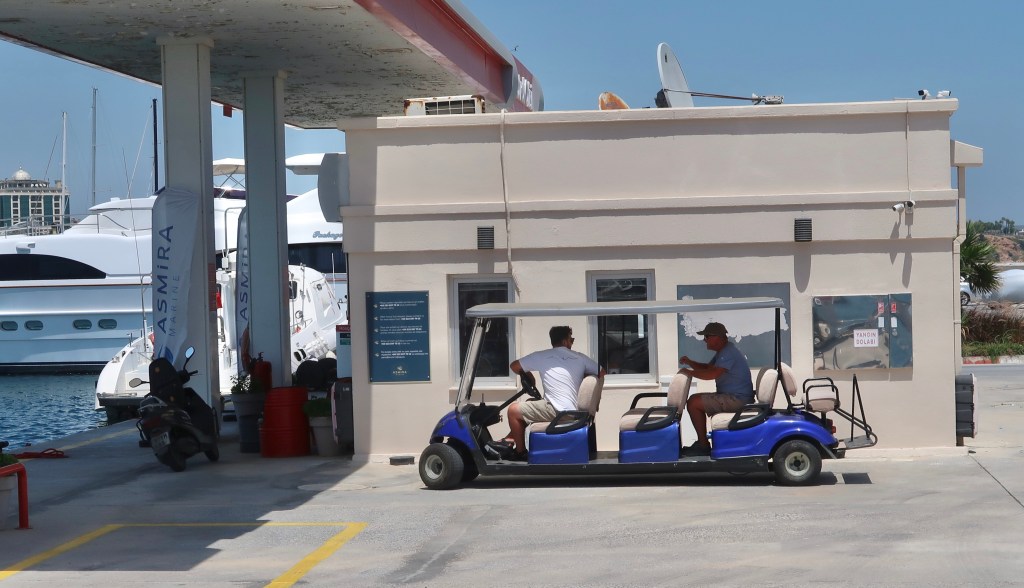
Once around the peninsula, the wind increased to force 6 and with a reef in both sails, it didn’t take us long to reach our destination. First stop was to the waste pump out station, the Turkish law is to have this done regularly with your documents updated each time. When it was emptied, Paul was told to go to the office to pay and complete the necessary paperwork, this was on the other side of the large marina, quite a trek. Thankfully the staff were very helpful and took him away on their golf cart. Some time later, he returned, luckily they hadn’t locked him up so our documents must be in order.
We left the marina and anchored in the bay close by, Karakuyu Koyu. As we approached we were suddenly bombarded by lots of biting flys, they were inside and out. After much swatting, they eventually disappeared as the sun went down.
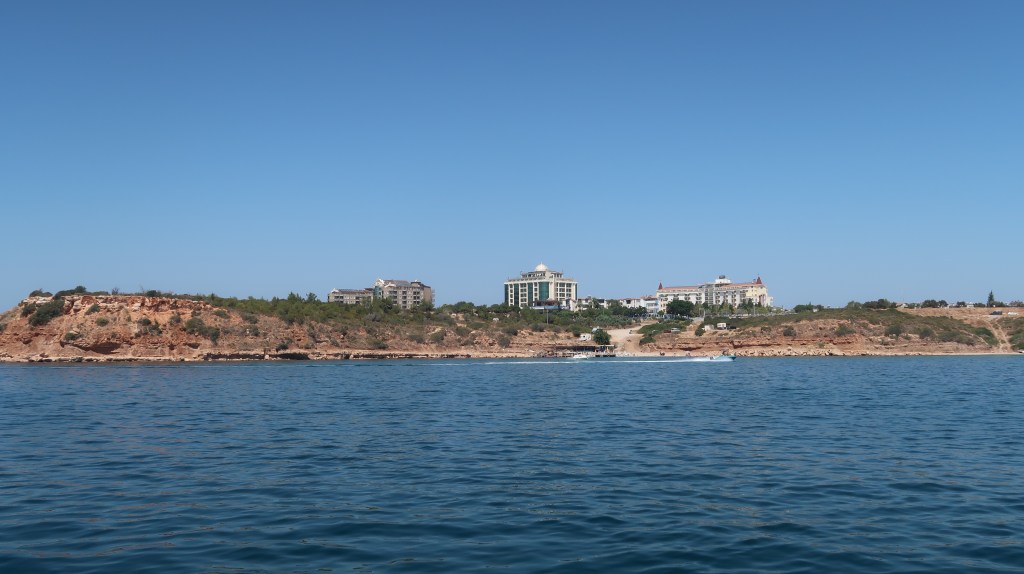
Not wanting to battle with the flies for another day, we moved on to the next bay, Talianaki, a small very sheltered bay next to a hotel construction site and an unofficial camp site on the beach.

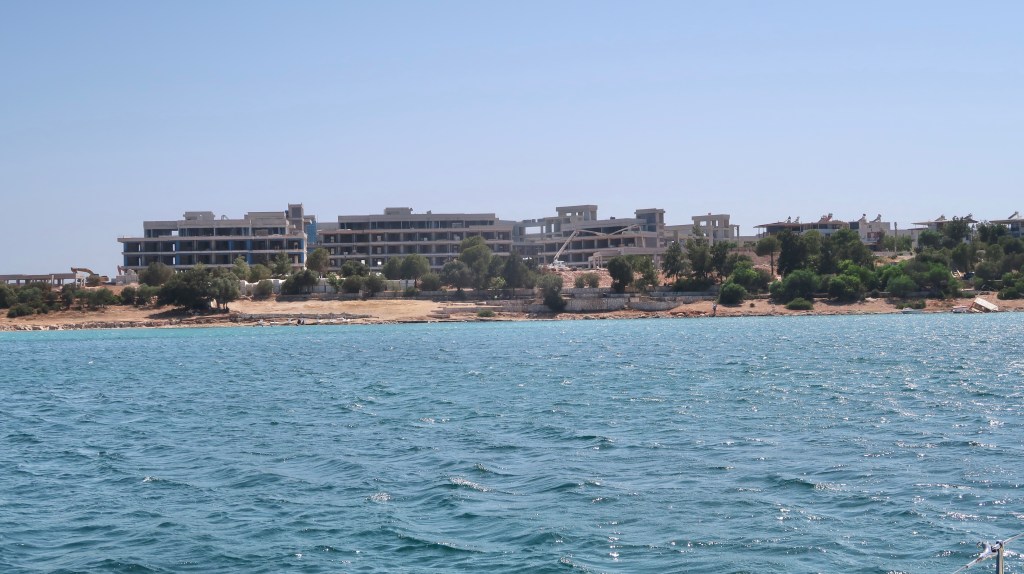
We were the only boat here for most of the time with just a dragonfly sitting on our guard wire to keep us company…..until the arrival of at least eight trip boats that came into the bay to entertain us each day, they only stayed for a couple of hours to have lunch and a swim.

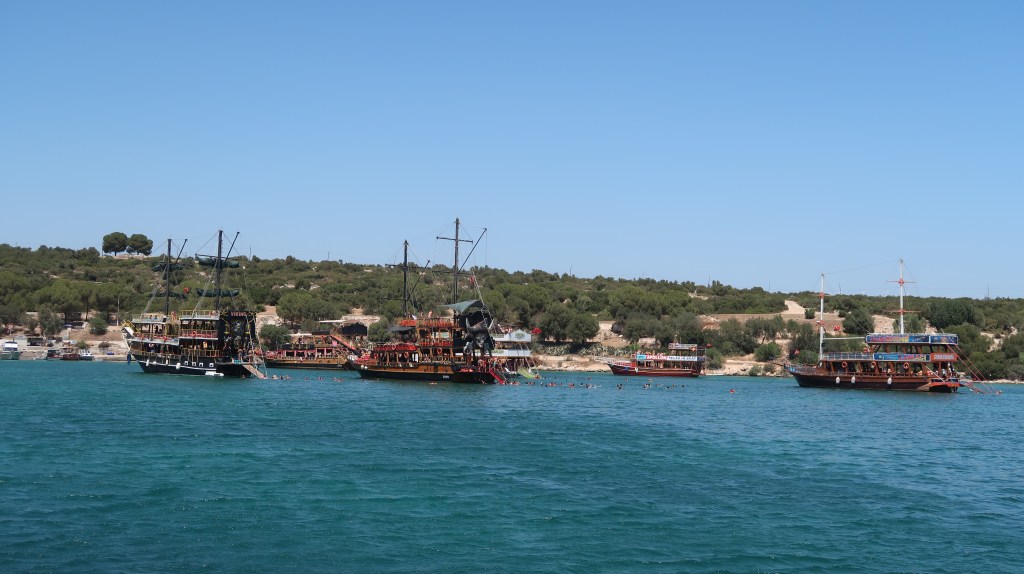
The Meltemi winds were expected to blow strongly over the next few days so we waited in the protection of this bay for them to pass.

 Sailing ZigZag
6 replies on “The Ancient City of Bodrum”
I decided to re-read this week’s blog as I was thinking about you and Paul – not sure why 😃 I have noticed how the name “burrows” comes from people with exceptional digging skills I have always known my family were highly skilled in this area. Anyway, hope things are all good with you and weather isn’t too windy. Be careful of the Katabatic winds in Ildir.
LikeLiked by 1 person
Very interesting read and absolutely stunning photos. Sunset, castles, minarets, and white peacocks, what’s not to like.
LikeLiked by 1 person
Another great week’s journal, educational and superb photos.
Not sure what the Knights of St.John would have made of the party boats!
LikeLike
Love the photos of the different structures. Can you send to Eleanor for her homework? I wouldn’t be happy with the biting flies but I like the little dragonfly. Those pesky Meltemi winds – you never know when they are going to arrive! I hope you weren’t blown around too much. Have you had the paddle board out yet or is it too windy? 🌬️💨
LikeLiked by 1 person
This week’s photos are just wonderful. Lots of history learnt and super scenery, and a rare shot of sails full of wind. What is not to love.
Happy onward sailing.
LikeLiked by 1 person
Sounds fabulous sailing in Turkey. Wish we had carried on now 😕.
Keep up the commentary it’s very interesting 👍
LikeLiked by 1 person