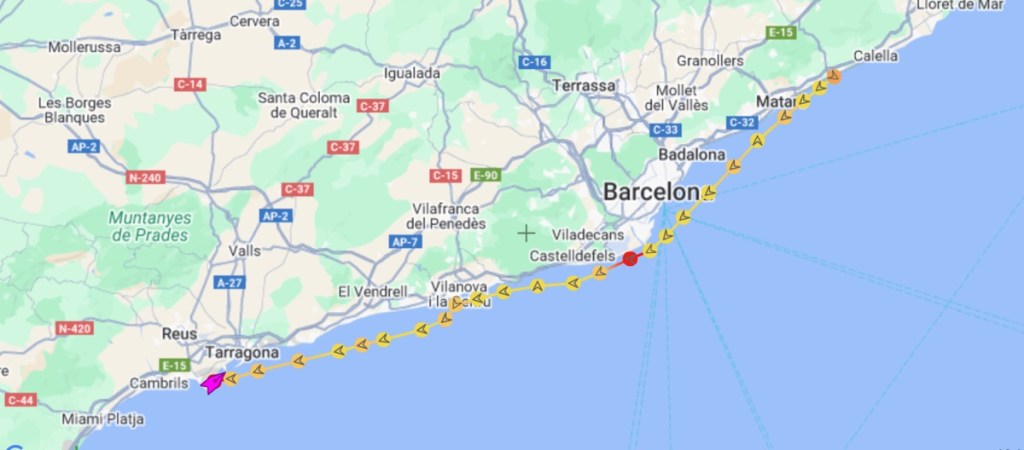
We left the marina at Arenys de Mar and headed towards Tarragona which was 70 nm, with a possible stop at an anchorage on the way depending on the conditions.

The swell built again and the wind was coming from directly in front which wasn’t the forecast. We headed south west passing the very hazy coast of Barcelona, where lots of big ships were anchored in front of the port. The wind shifted slightly, picked up, dropped off, and we had an afternoon of sails up, sails down, but progressed mainly under engine.


We arrived at a Vilanova i la Geltrú just as the sun was going down and considered it as an overnight anchorage. With nobody else there (obviously a reason for this) we had plenty of space to drop the anchor. However, as we got closer to shore there was still a big swell coming straight into the bay and Ziggy was rolling from side to side, it was very uncomfortable and we definitely would not get any sleep. So after half an hour we lifted the anchor and continued on.

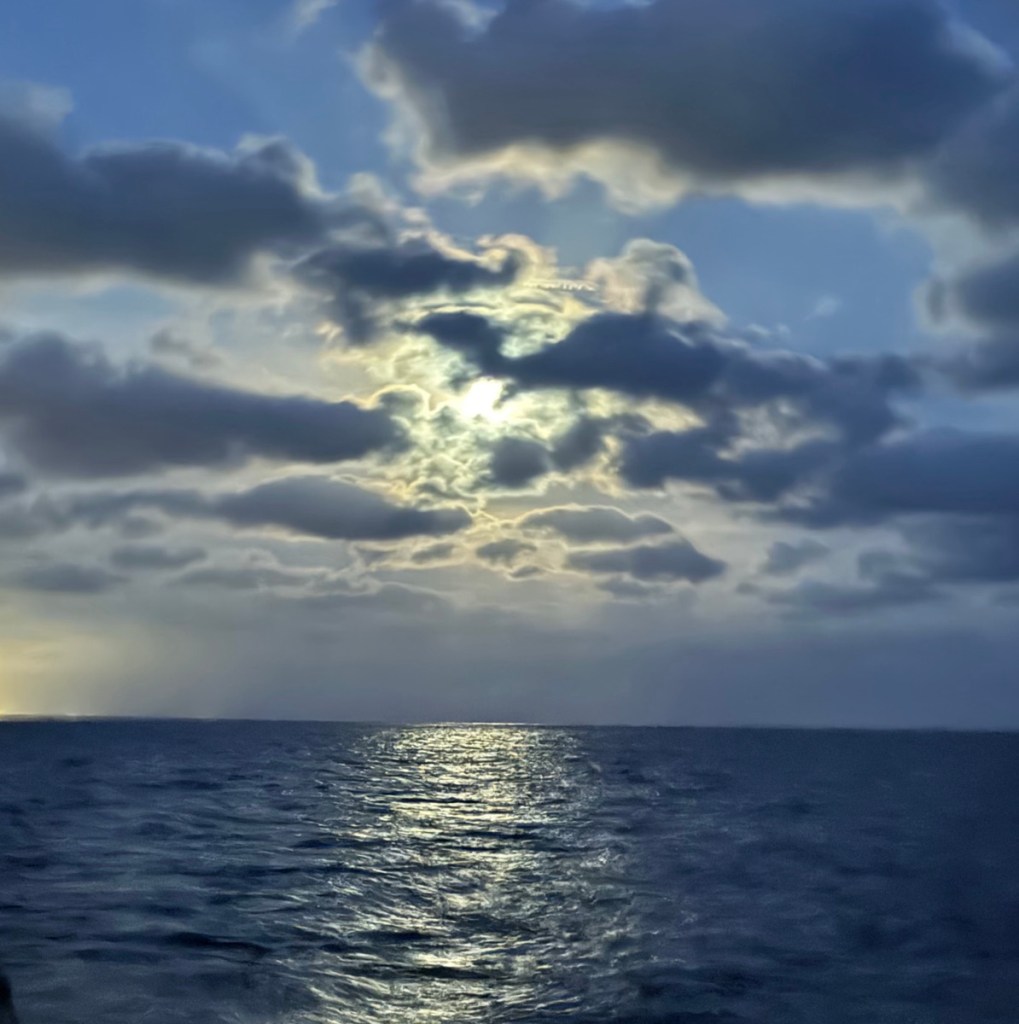
A big bright moon rose helping us on our way, and we arrived at a bay just opposite Tarragona’s large commercial harbour at 3am and this was protected from the swell. We managed to find a good spot and dropped the anchor in a calm(ish) sea.
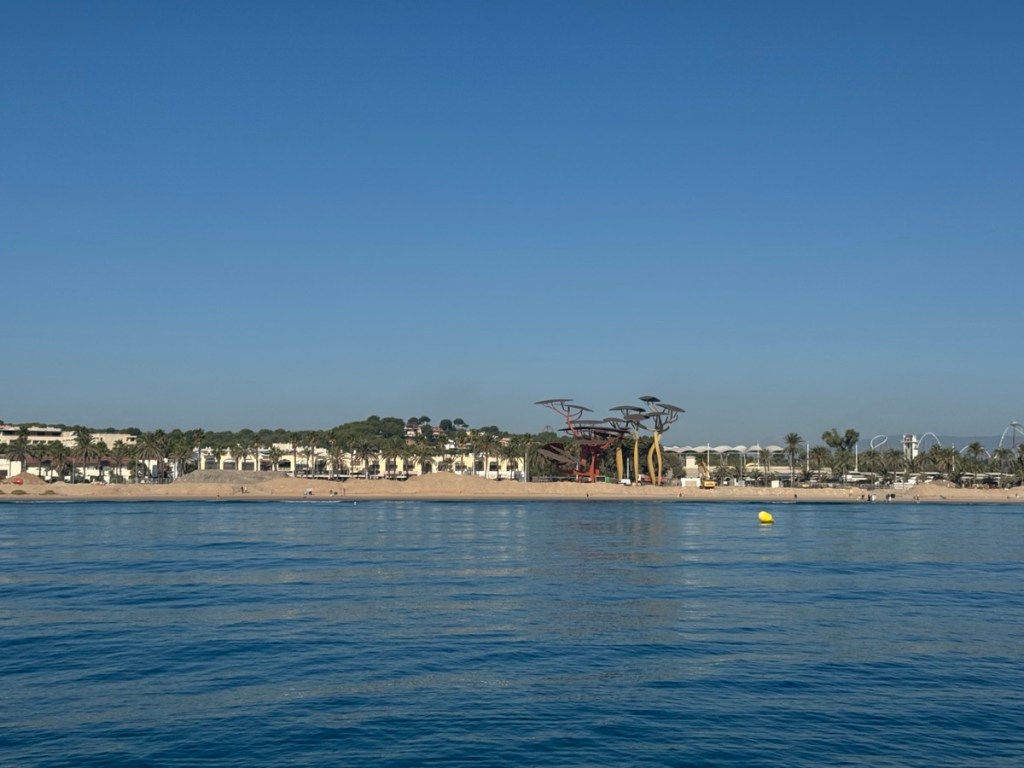
It’s always difficult anchoring in the dark particularly somewhere unfamiliar, but in the morning we could see that we had found the perfect spot, just the right distance from the beach.
With more stormy weather due and a Roman town to be explored, we got some sleep before heading in to the towns marina. The greeting from the staff here was very friendly and they sent us off in to town with a long list of things to see.

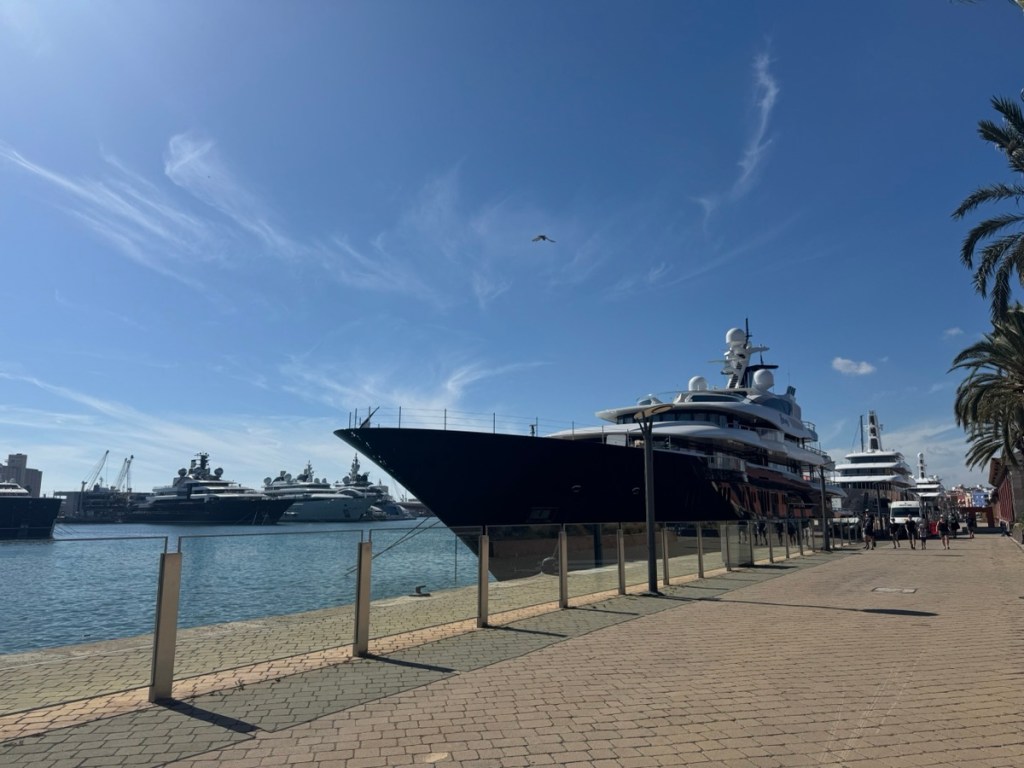
We walked around the harbour and the main port is full of supersize super yachts, it has been given the name ‘home of the giants’.

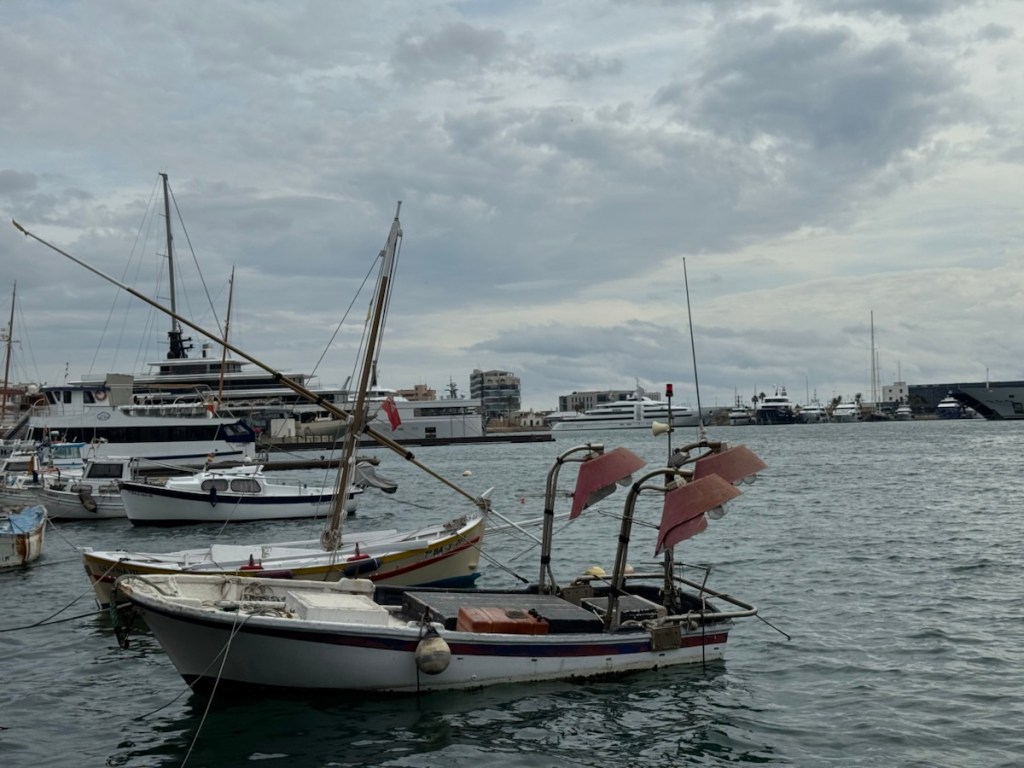
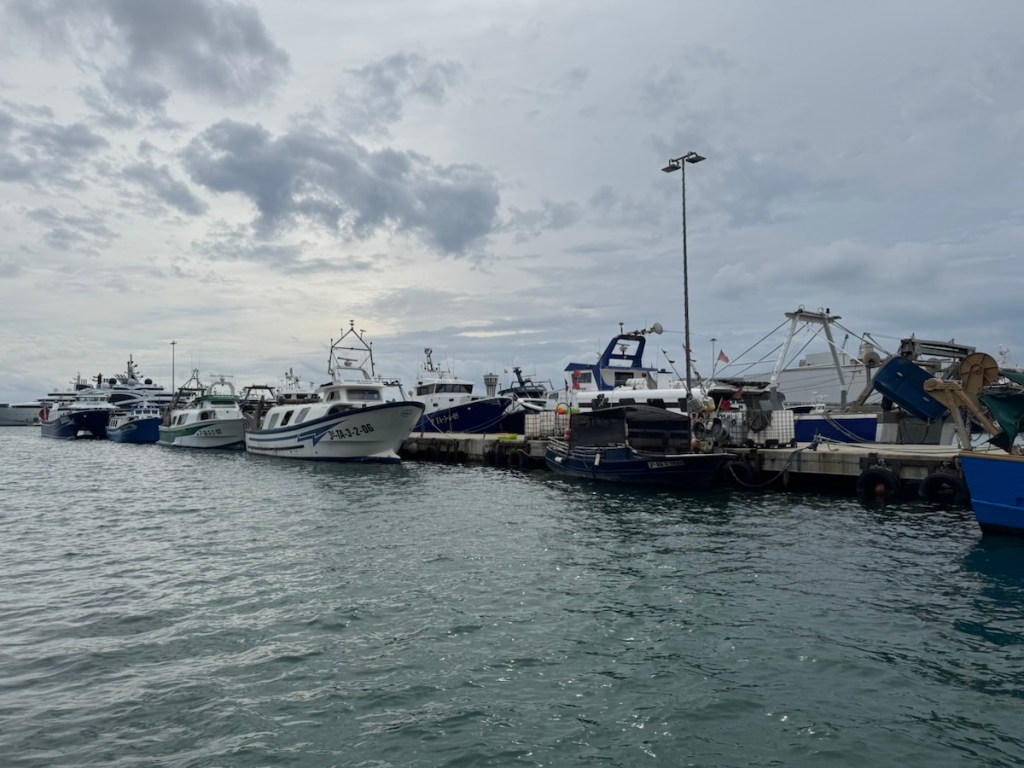
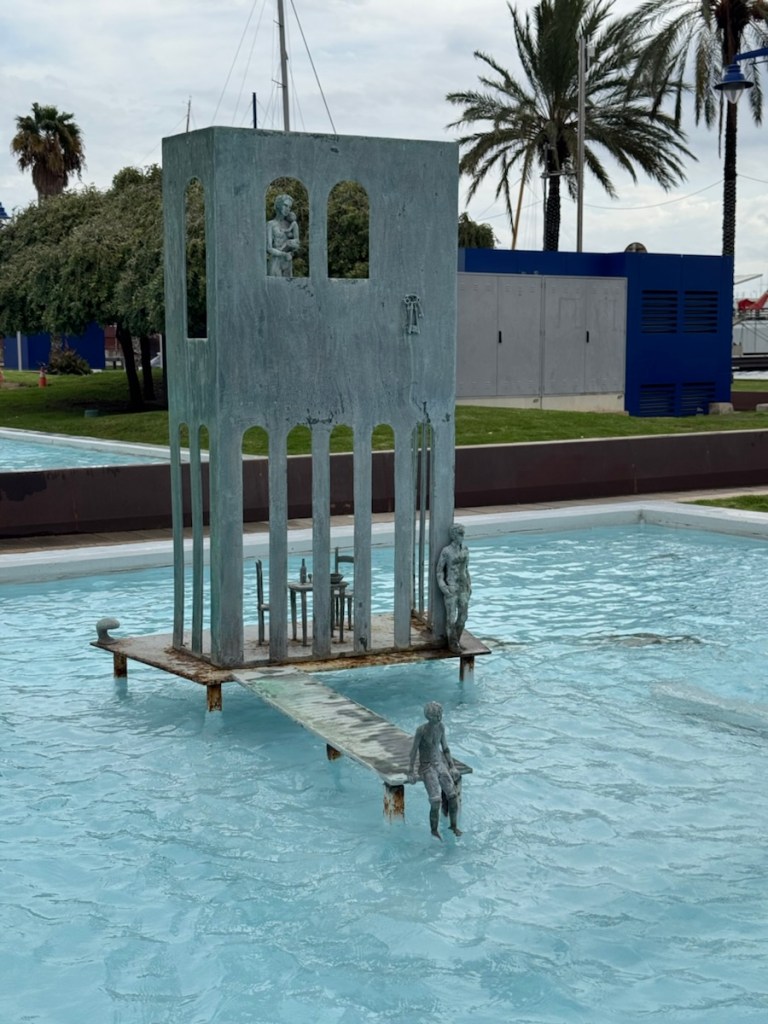
Fishing boats are moored beside the port next to the old fishermen’s neighbourhood, El Serrallo. The catch of the day is auctioned here in the afternoons, it is a popular area among locals who come to eat in the numerous fish restaurants. The fountains were full of miniature statues and some of the houses had large wall murals.


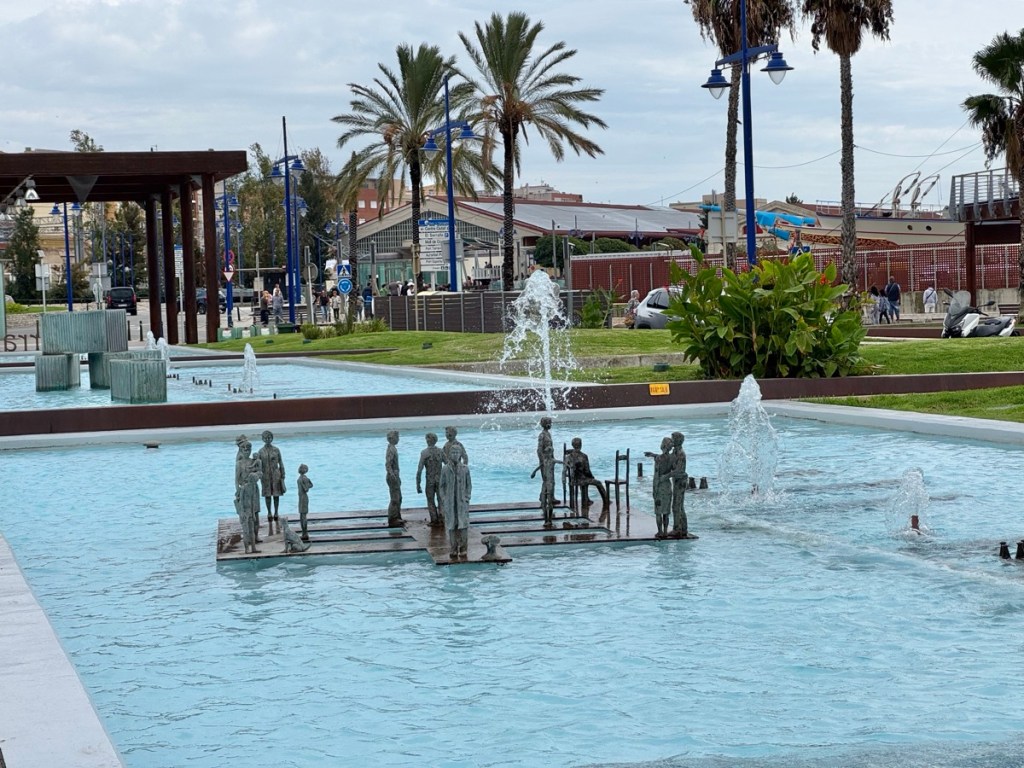

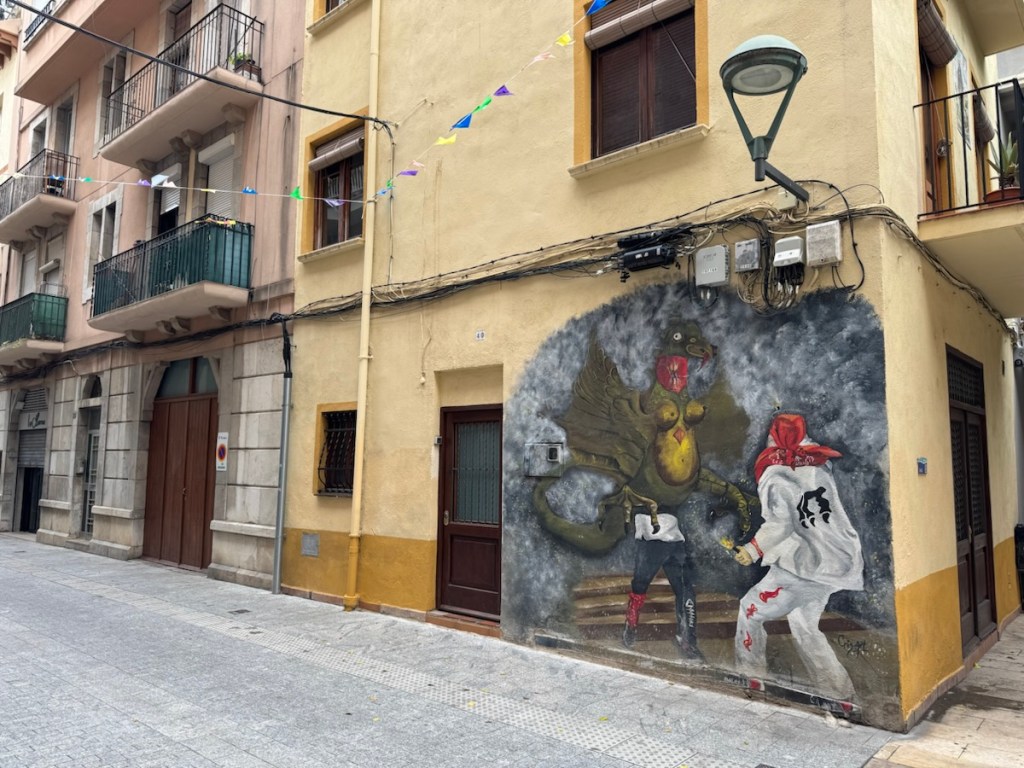

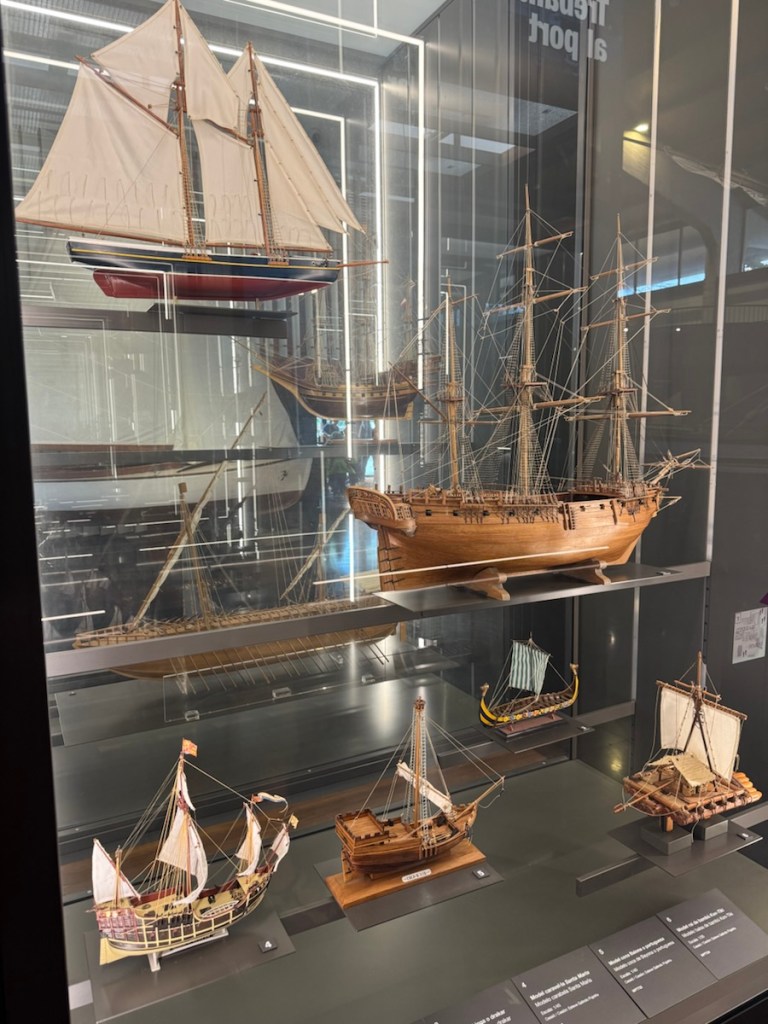
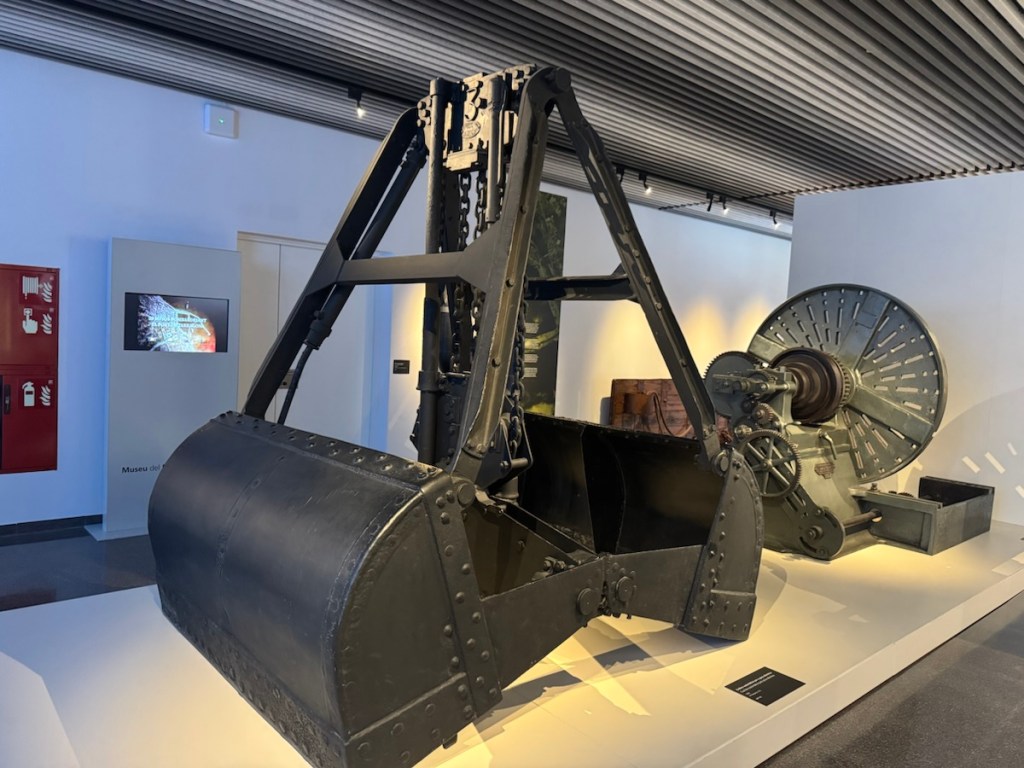
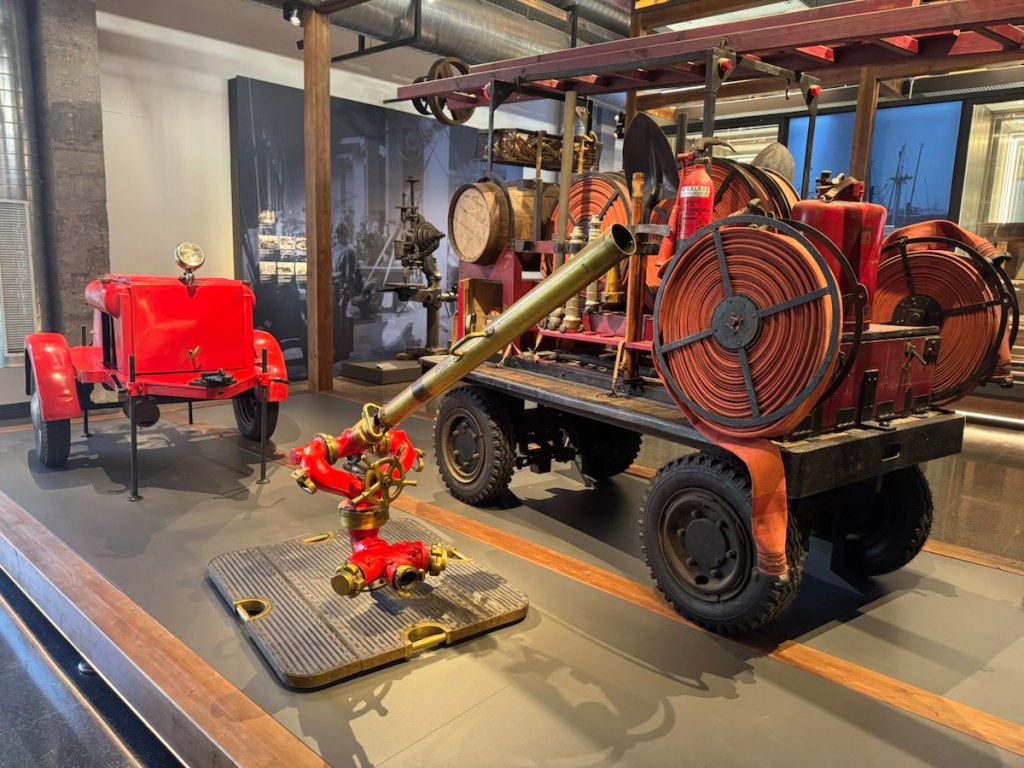
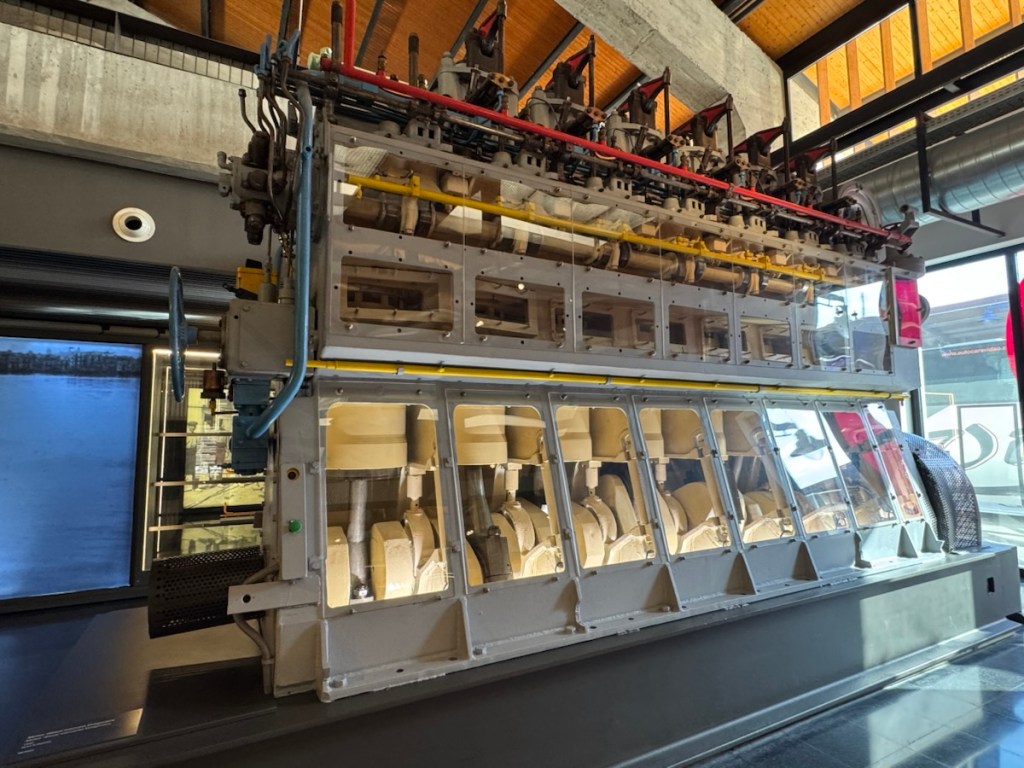
There is a small museum dedicated to the maritime history of the city, Museu del Port de Tarragona. Inside was a variety of model ships, navigational and communication instruments, machinery, a huge engine and a selection of artefacts that have been found at sea, including part of a ships hull.


Tarragona has over 2000 years of history with many ancient ruins remaining from its time as the Roman colony of Tarraco, along with monuments from medieval and modern eras. It is not as well known as some of the larger cities along this coast, and was certainly a city full of surprises which is now another of my favourite places.
Situated on a rocky hill, Tarragona (Latin Tarraco) was originally inhabited by Iberians during the 5th century BC then Carthaginians, and later used as a base for the Roman conquest of Catalonia, which began in 218 BC. Under Emperor Augustus, the fortified city of Tarraco was named the capital of Rome’s eastern Iberian province and became the largest and most important city of Roman Spain. Temples and monuments were built in and around the city.
Several centuries later, after the fall of the Roman Empire, the city went into a period of steady decline until the 12th century when it came under Norman rule. The city was repopulated and revived, with major construction beginning, several important religious buildings were constructed during this time including the Tarragona Cathedral.
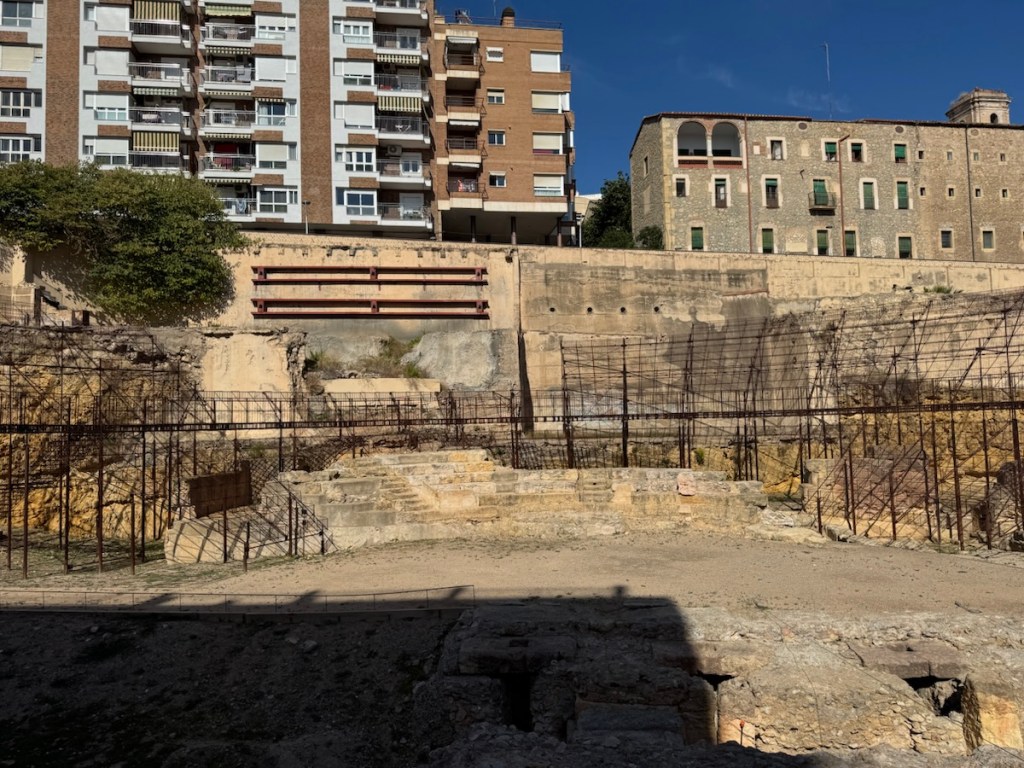
Following this short revival, Tarragona suffered further invasions, pirate attacks and wars, until making a slow recovery in the 19th century when it began to flourish again as a major port. Much of the city’s defensive walls were torn down and the city expanded. As building work took place, the remains of the Roman city were slowly uncovered.
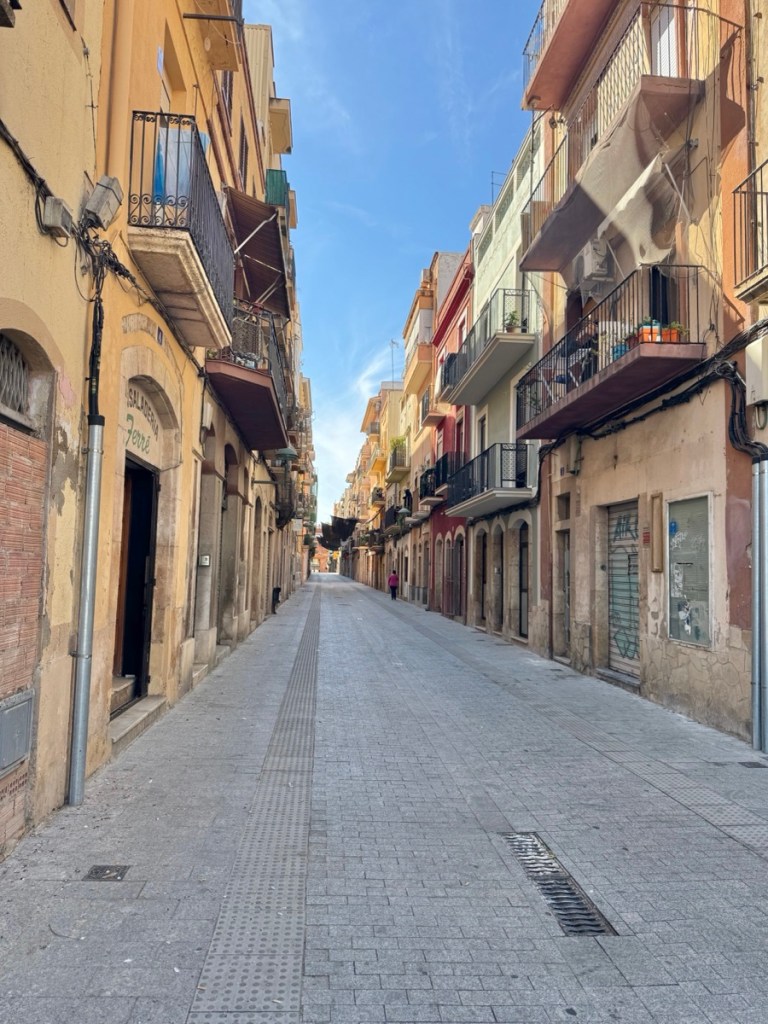
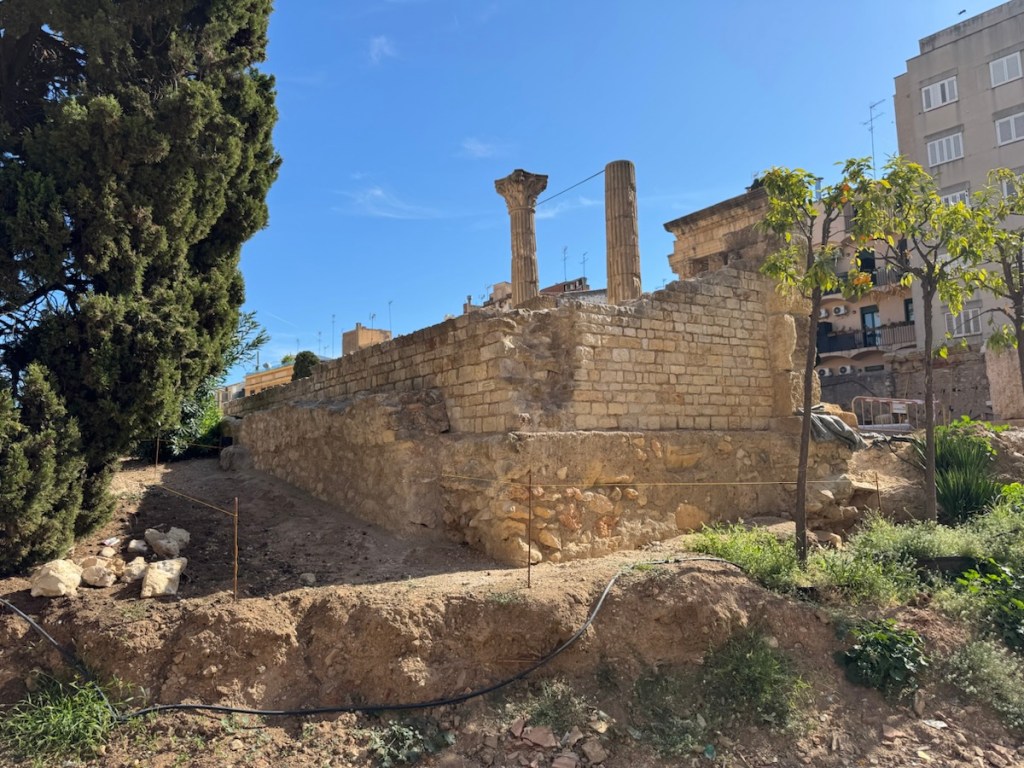
The medieval cobbled streets led us to the old town, at every corner we turned, there was evidence of Roman ruins in amongst the houses.


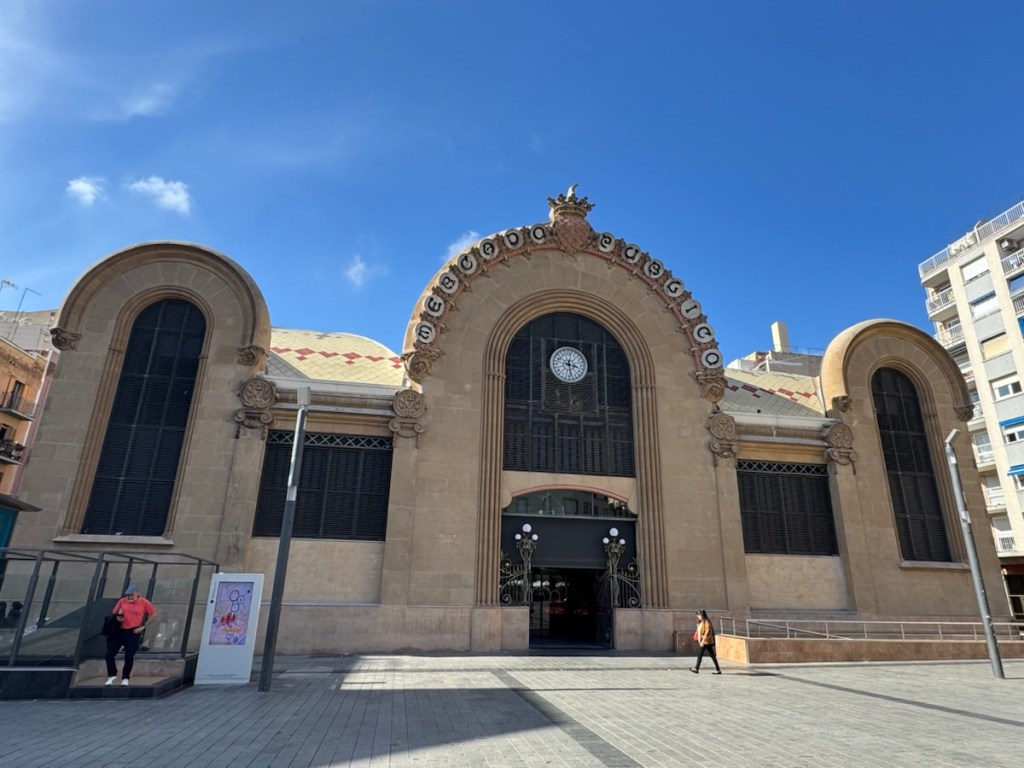
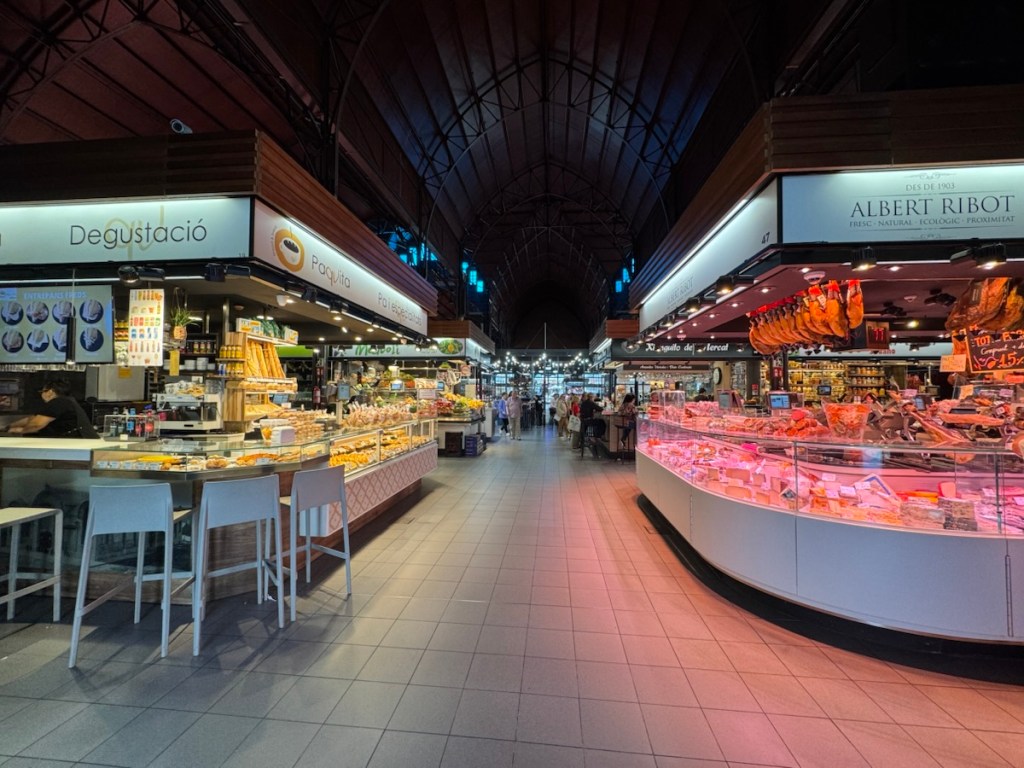
We looked inside the main market, Mercat Central de Tarragona, the modernist building dates back to 1915. Although much smaller than Barcelona, it was full of fresh and seasonal products and not so busy. We were able to find a seat at one of the tapas bars here to taste their specialties.

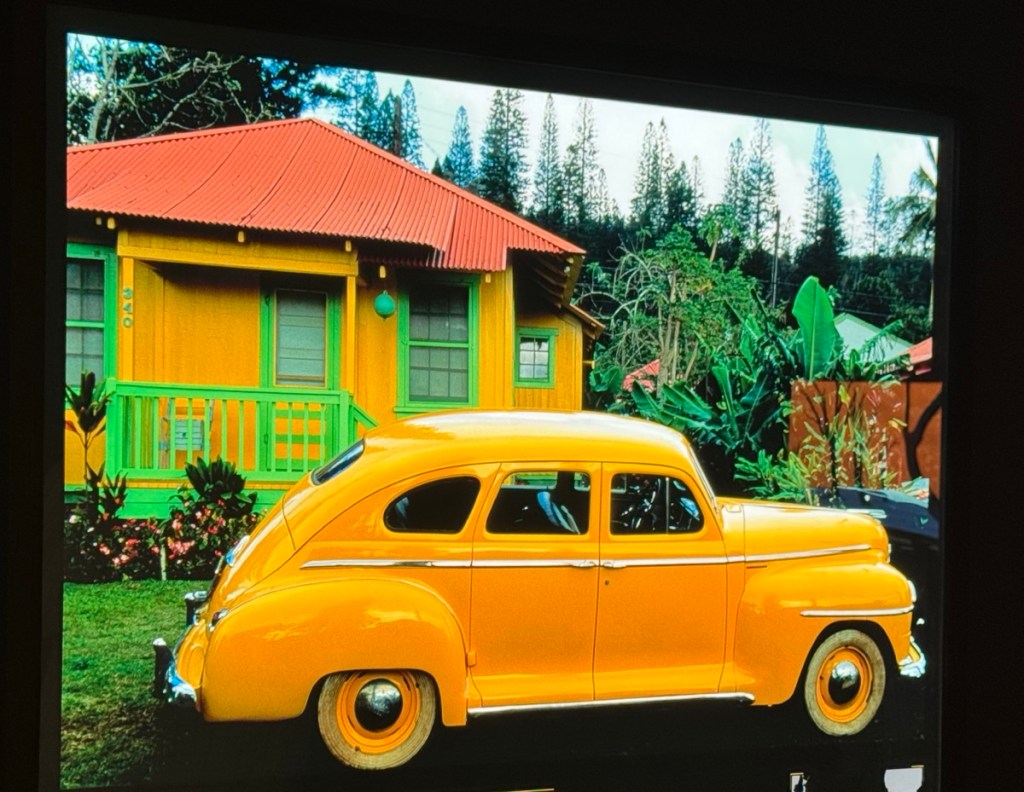
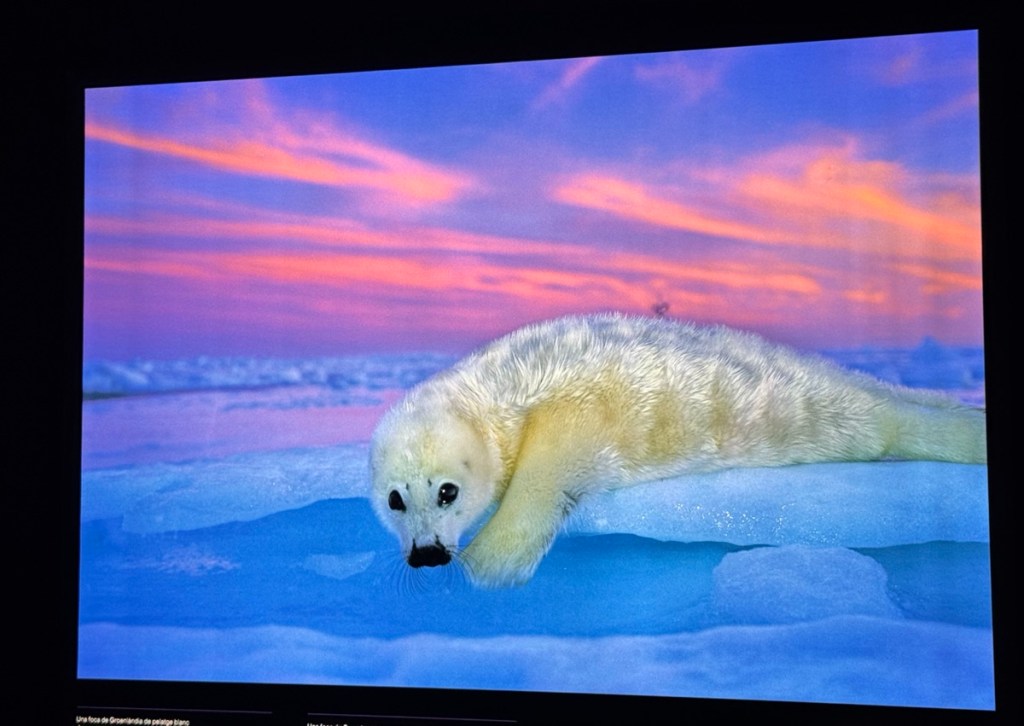
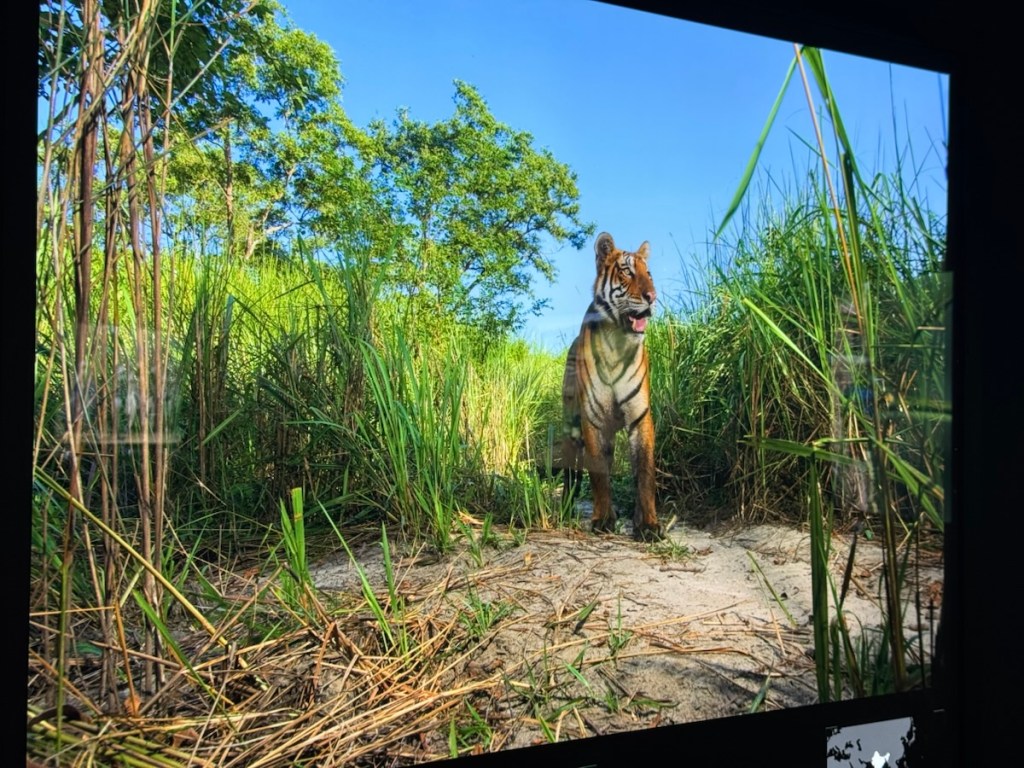
We had booked tickets to see an exhibition all about ‘Colours of the World’ with a huge floating globe in the entrance and a room full of vivid National Geographic photographs from down the years, here are a few of my favourites.
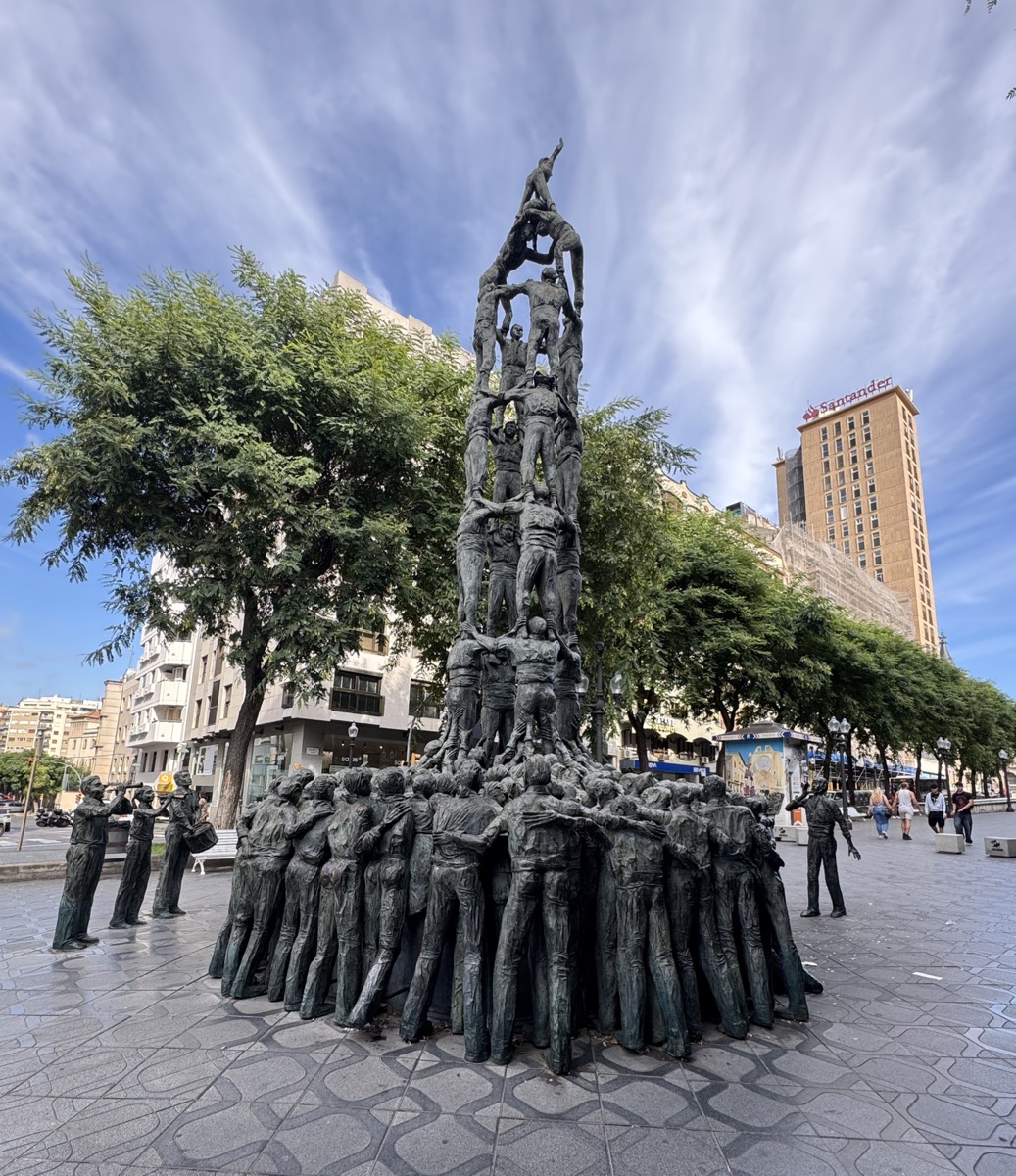
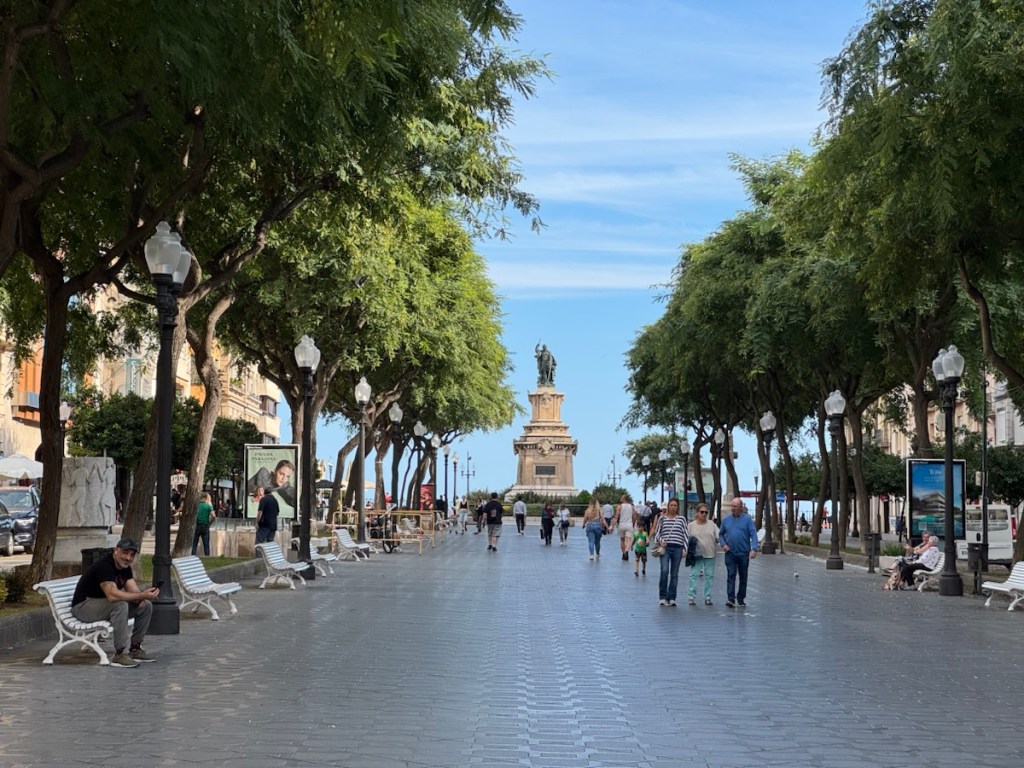
Close by is La Rambla Nova, the main street of Tarragona, a wide tree lined avenue, with modern shops, statues and unique buildings. It leads across Tarragona to the Balcó del Mediterrani (Balcony to the Mediterranean). One of the statues is a Monument to Castells (human towers).

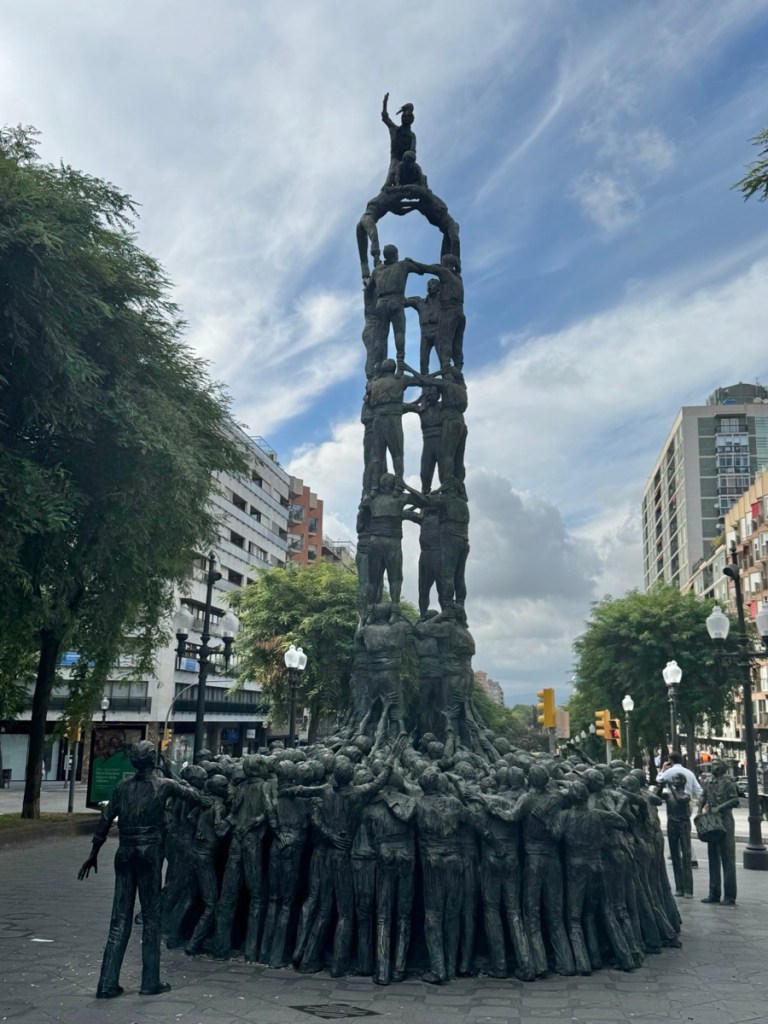

Castells originated here at the end of the 18th century and over time, the rest of Catalonia embraced the tradition. The ‘4 of 8’ formation symbolises the union of people, the passion of the pinya (the supporting base of people), the strength of the different levels and the thrill of the small children who take the tower to its greatest height.
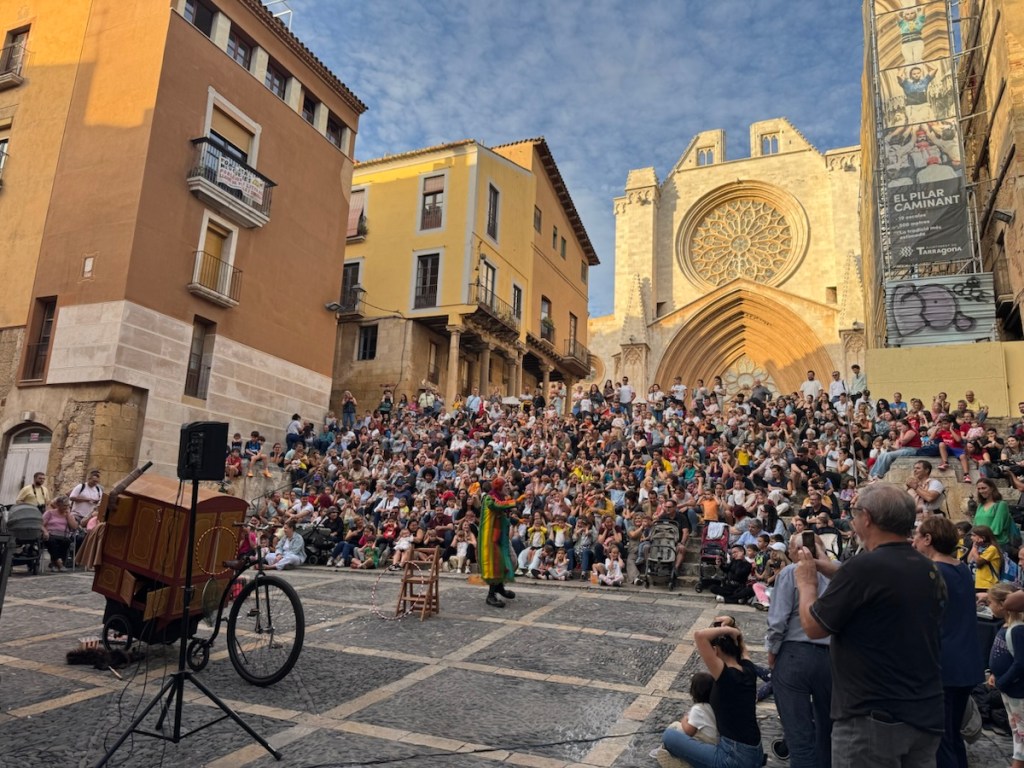
This is now one of the most popular traditions of Catalonia. They are performed as part of the city’s various fiestas, Tarragona also hosts the international castells competition where teams of people compete to build human towers. It’s not often that you come across a group of men and women who willingly climb onto each other’s back to form a tall, wobbly, human tower. The impressive castells can be up to ten human storeys tall, and are completed by a small child scrambling to the very top and raising their arm.
There are many human tower events and competitions throughout the year, unfortunately we had just missed a festival but there were plenty of pictures in the town to show how popular these events are.


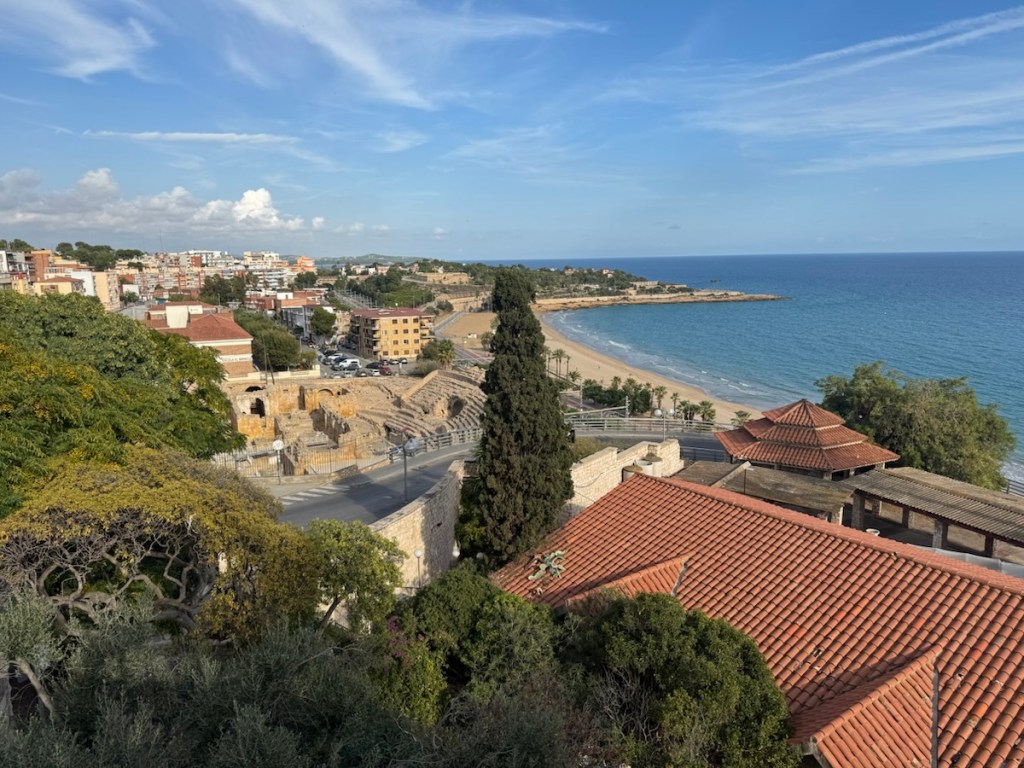
El Balcó del Mediterrani is situated at the end of La Rambla Nova. From the balcony you have views of the Roman amphitheatre, the beach and the Mediterranean sea. Local tradition says that touching the iron railings brings good luck, so I held on to them for a while.
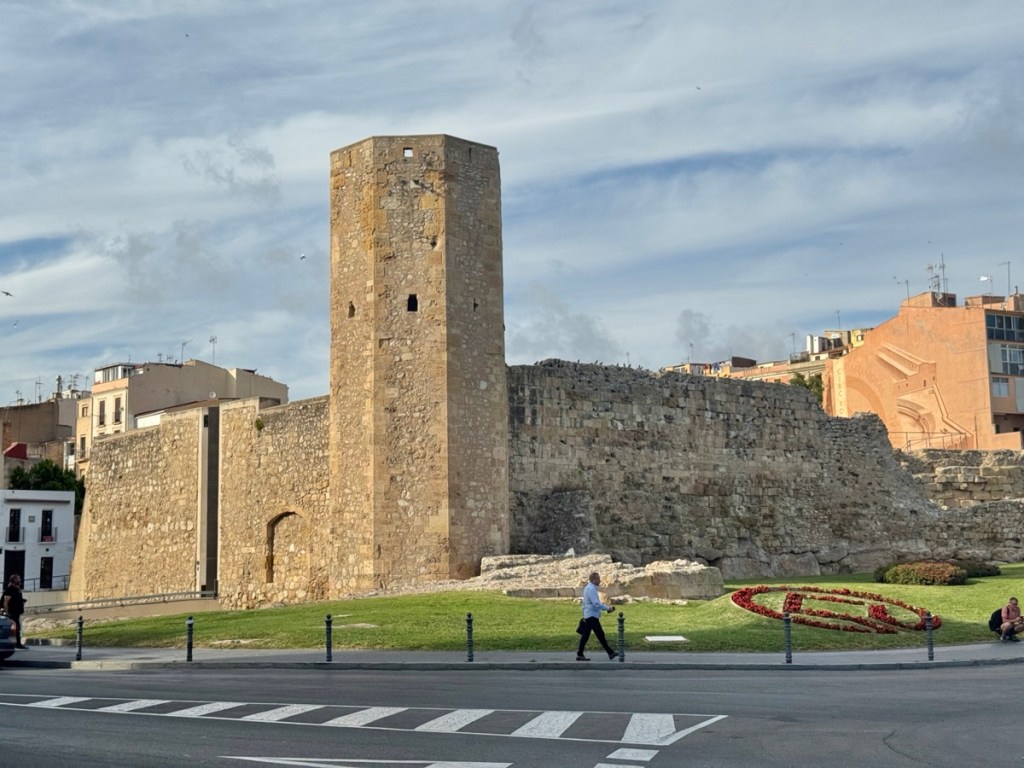
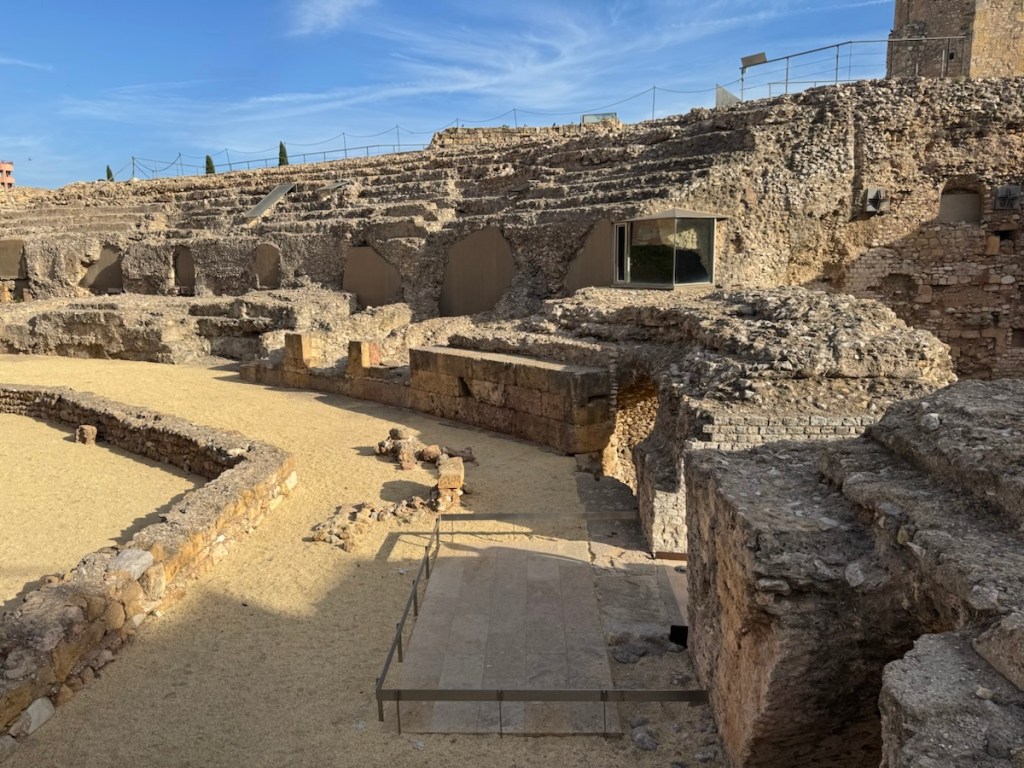
We continued around the old city, this small section of defence wall and tower was added in the 12th century, the Roman wall still enclosed three sides of the city, and the wall was built to protect the lower boundary enclosing the Roman circus, part of which still remains.
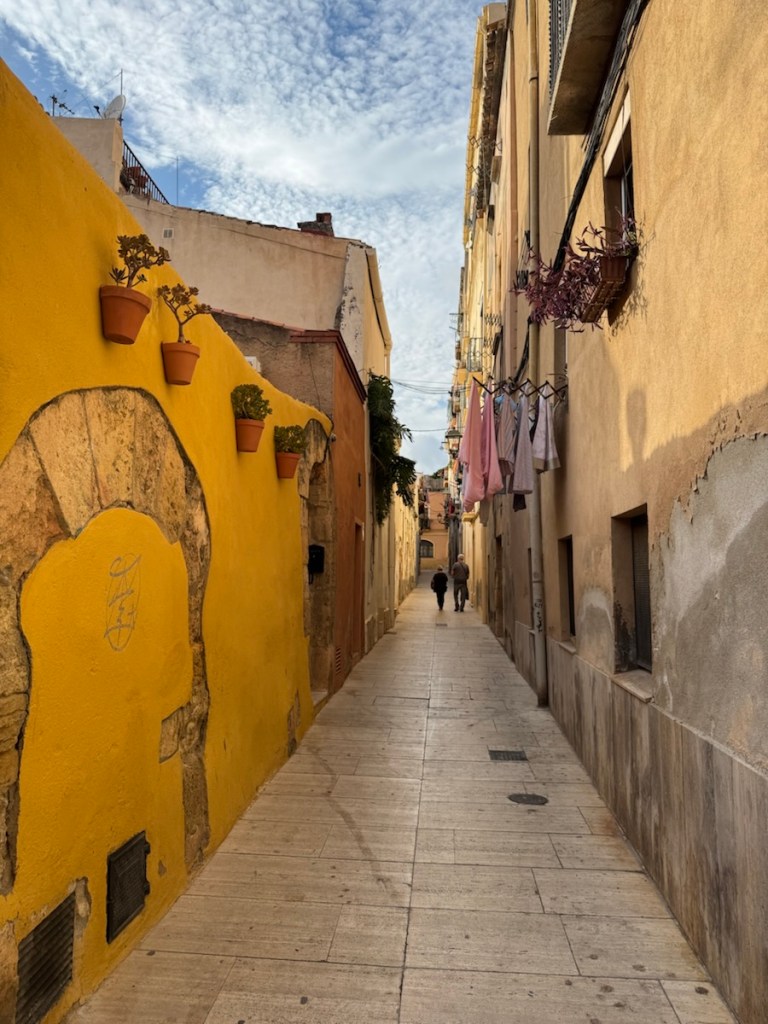
The ancient town is full of medieval streets and alleyways. Eventually we reached the top of the hill where the Cathedral stands on the highest point, facing back down the hill towards the sea.

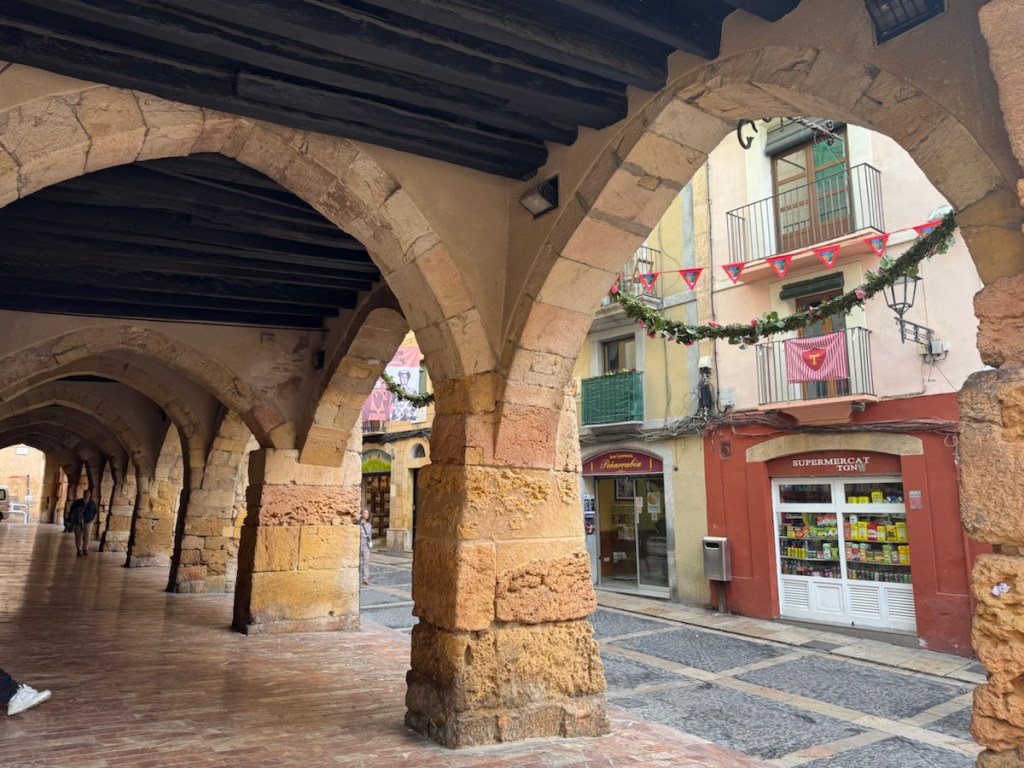
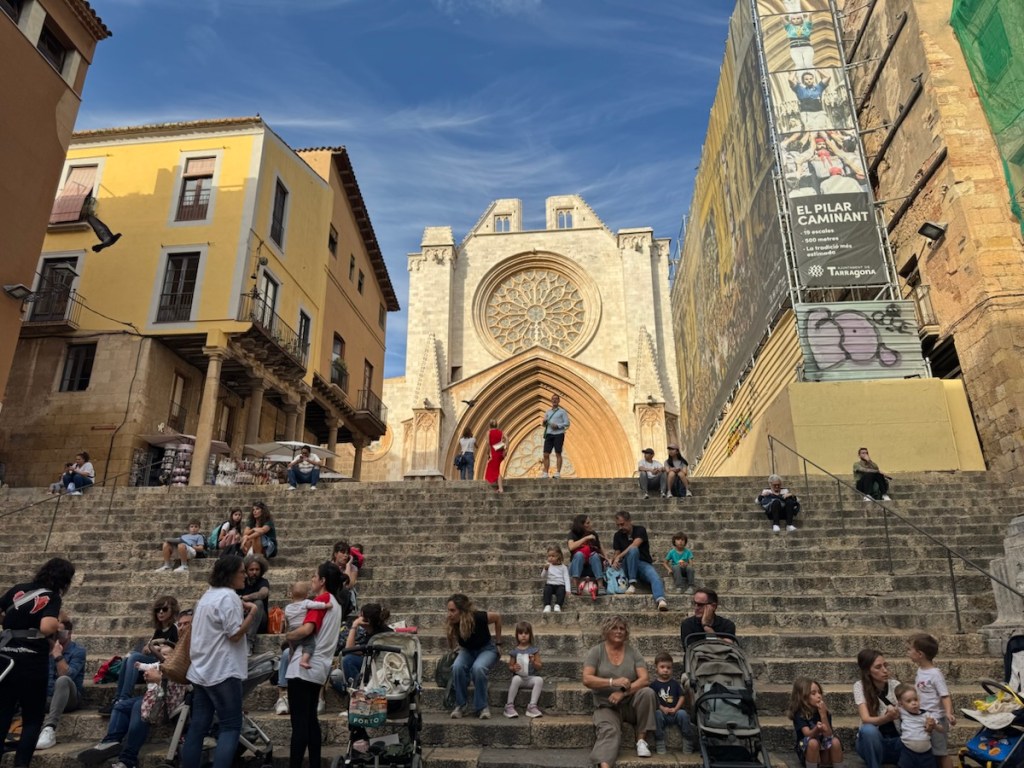

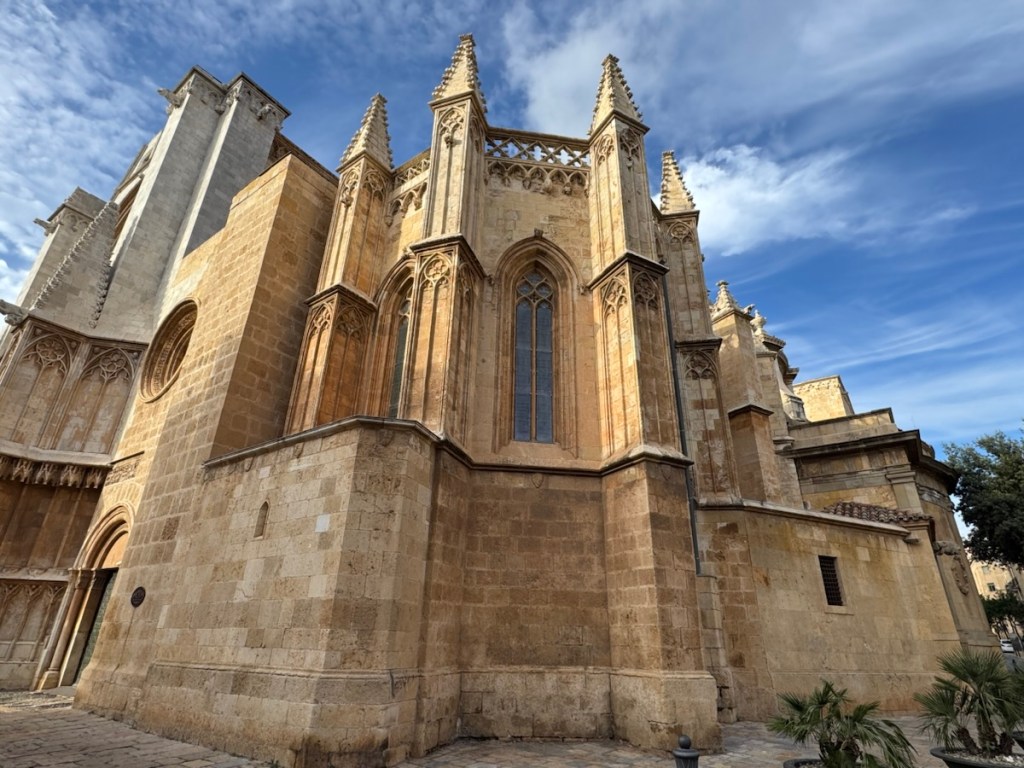
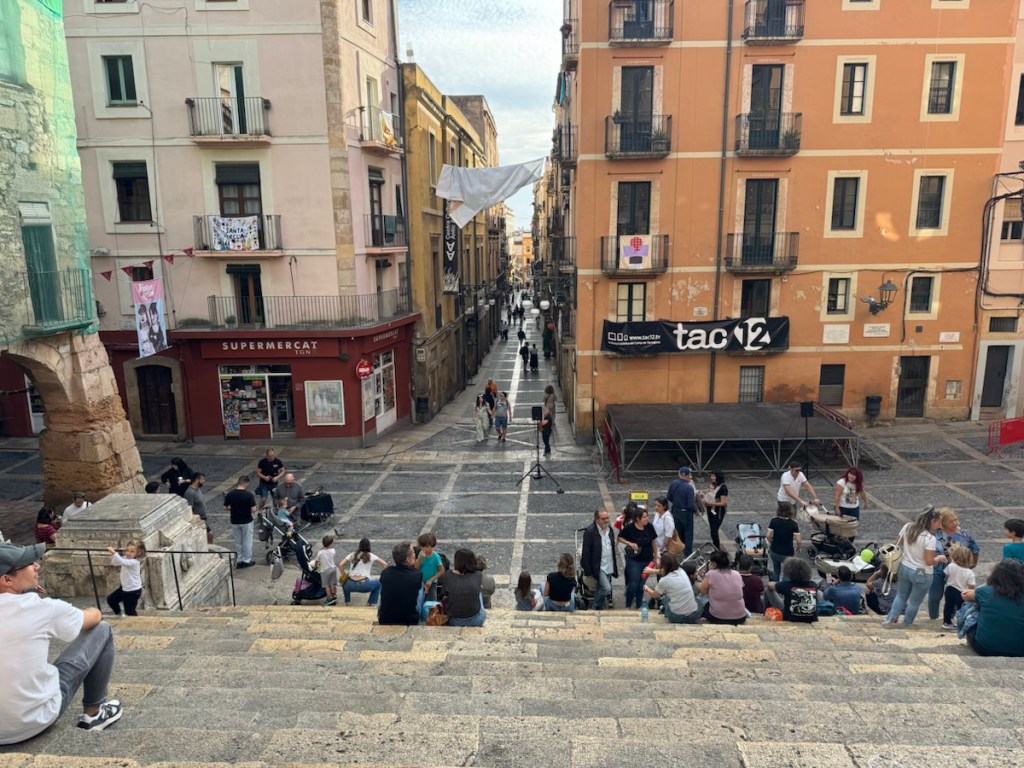
Construction started on the Cathedral of Santa Tecla during the late 12th century, and was completed in the 14th century. It was built on site which had previously been occupied by the Roman Temple of Augustus. The Cathedral is a mixture of Romanesque and Gothic styles with a carved façade and a large stained glass central rose window.
We had noticed several stages being set up around the town, and flags in the streets. People were starting to gather around the steps to the cathedral and it wasn’t long before they were crowded and everyone was captivated by a clown entertainer.
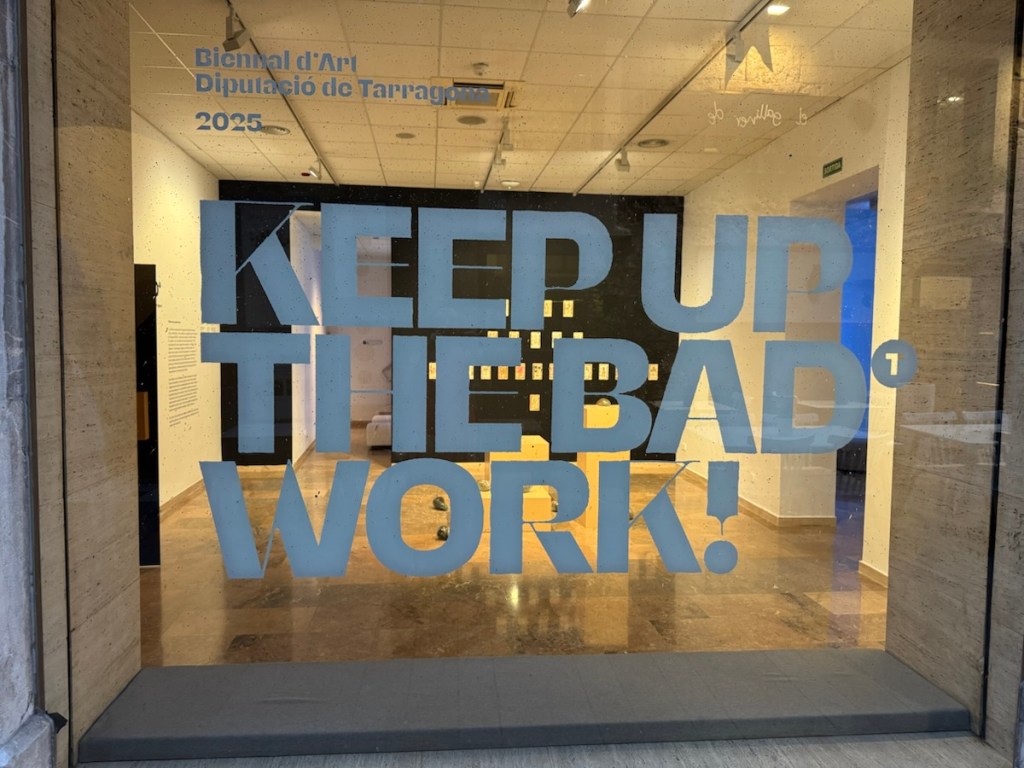
As we passed the Modern Art Museum it had an interesting slogan on the window, ‘keep up the bad work’ so we decided to investigate further.
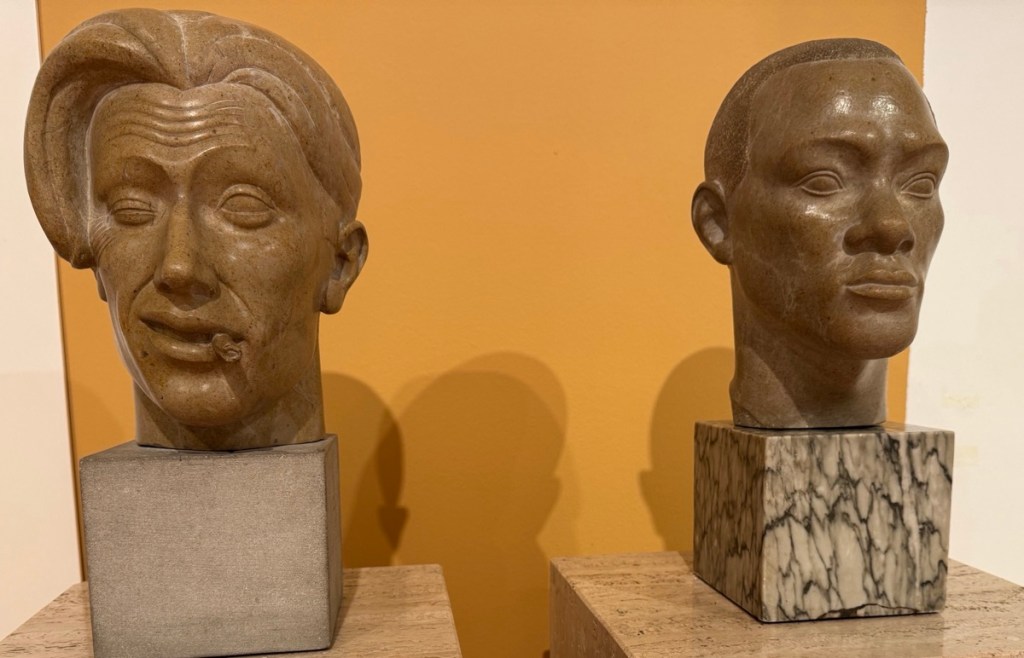
We looked around some lovely modern sculptures which made a nice change from the ancient ones that we usually see.



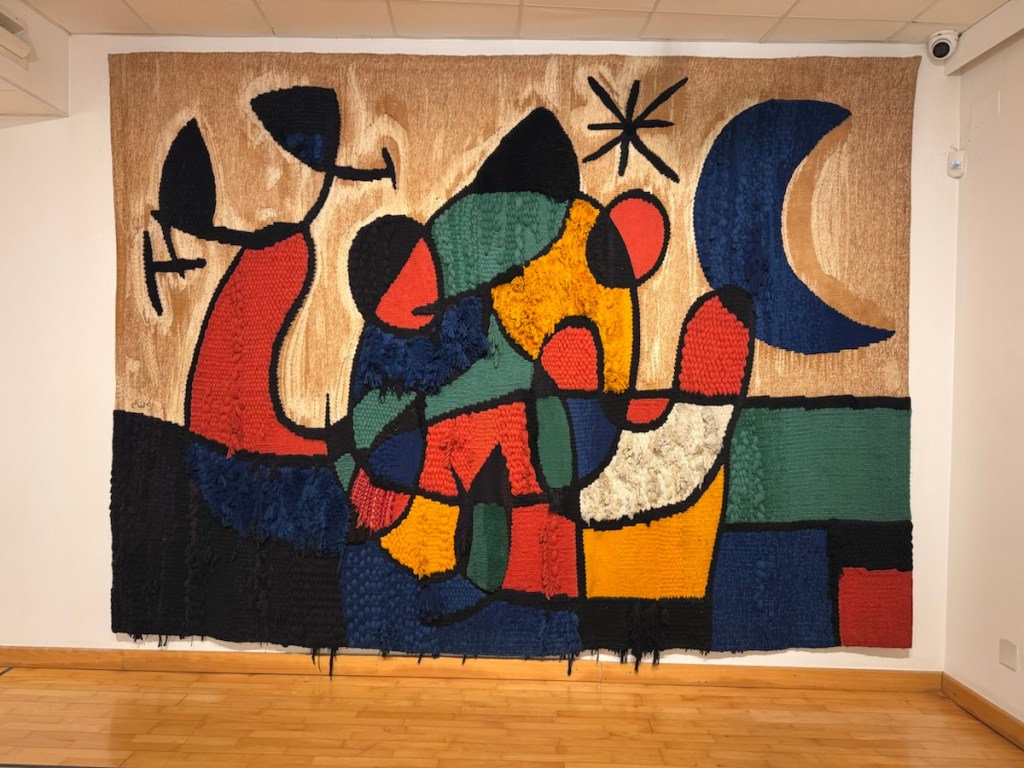
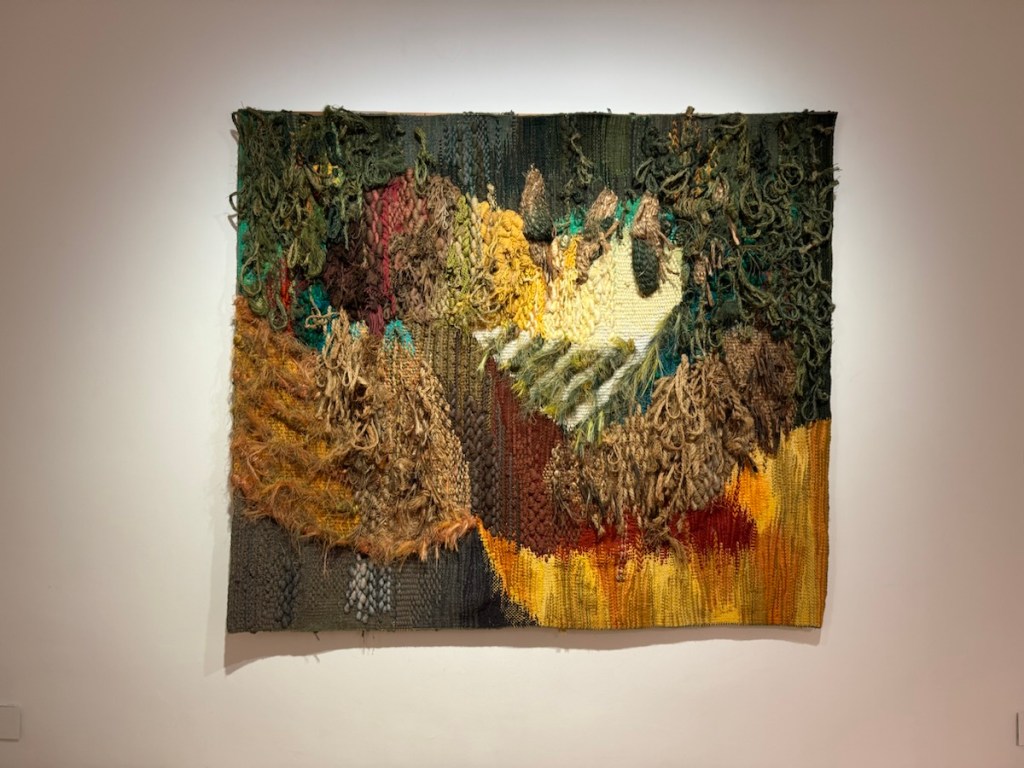
There were intricate tapestries that had been made in the 19th century as a gesture of gratitude to a doctor who attended to the artists only daughter on New Year’s Eve, after she was hit by a train. This generous offer was accepted as payment for medical fees.
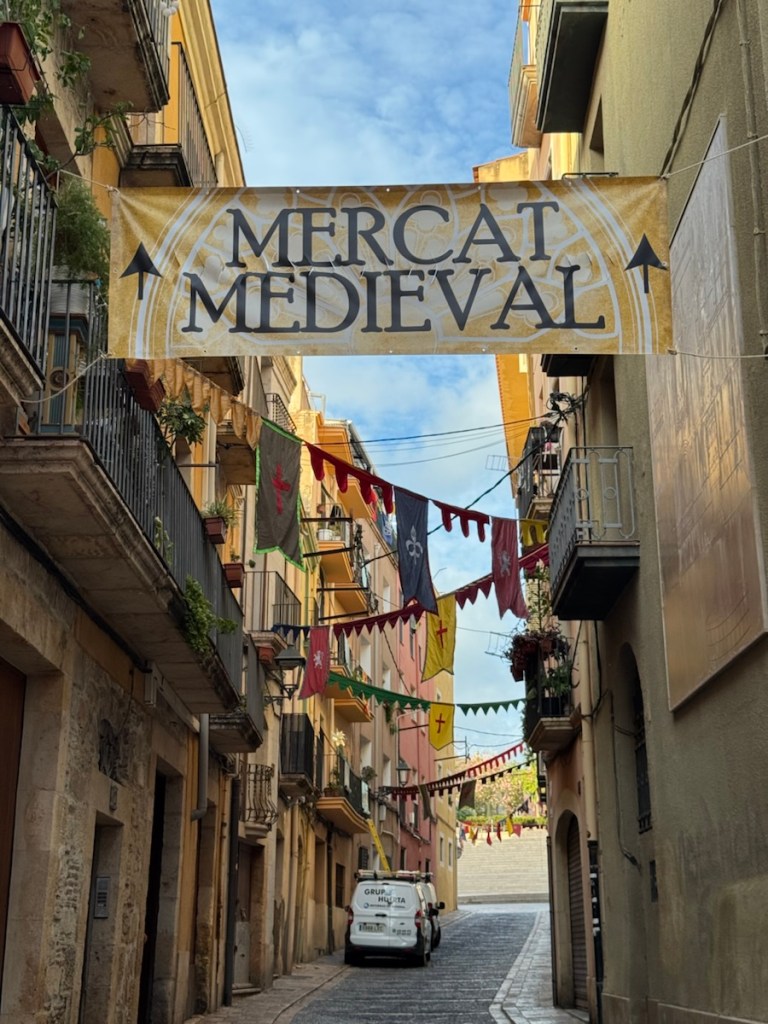
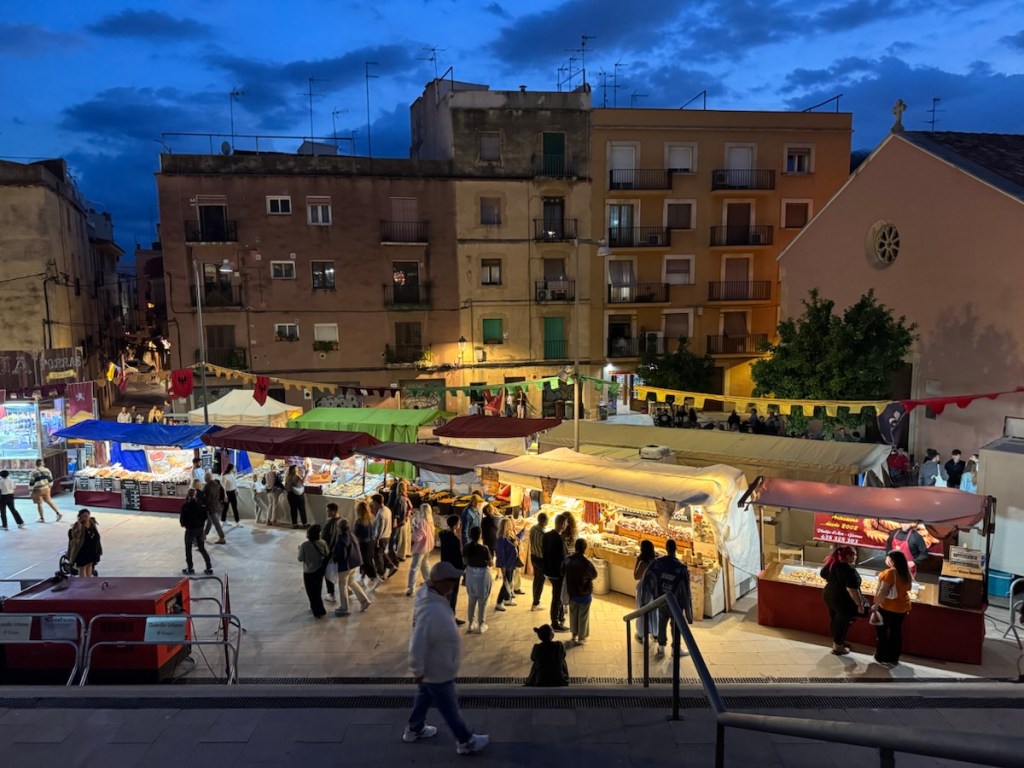
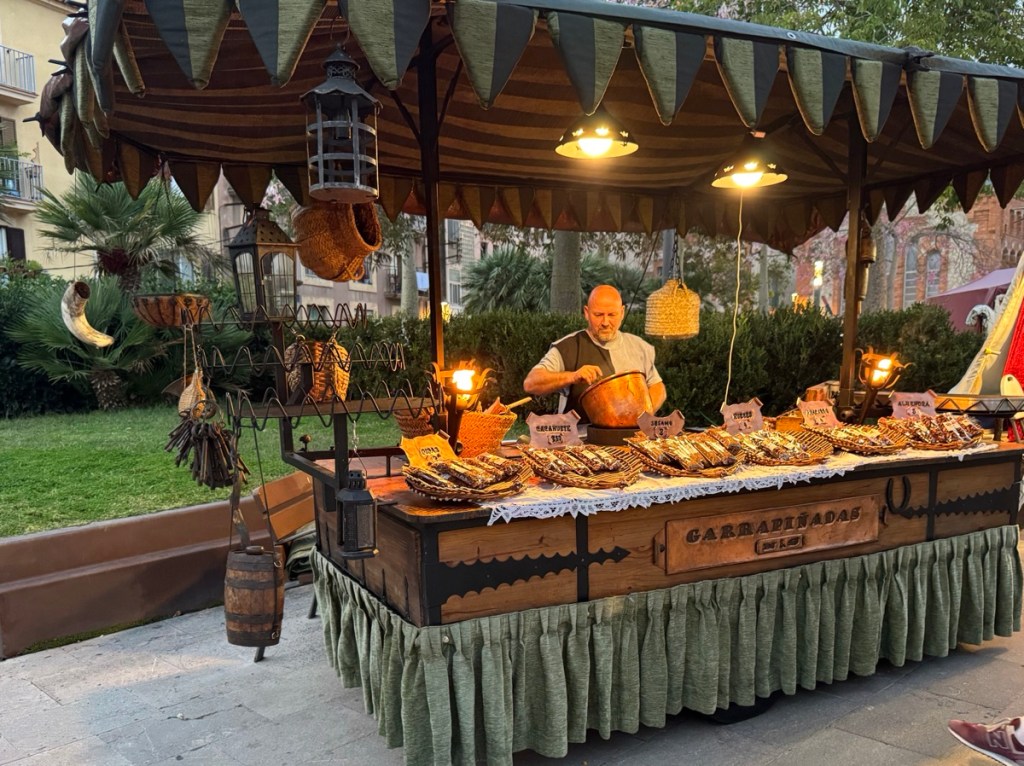
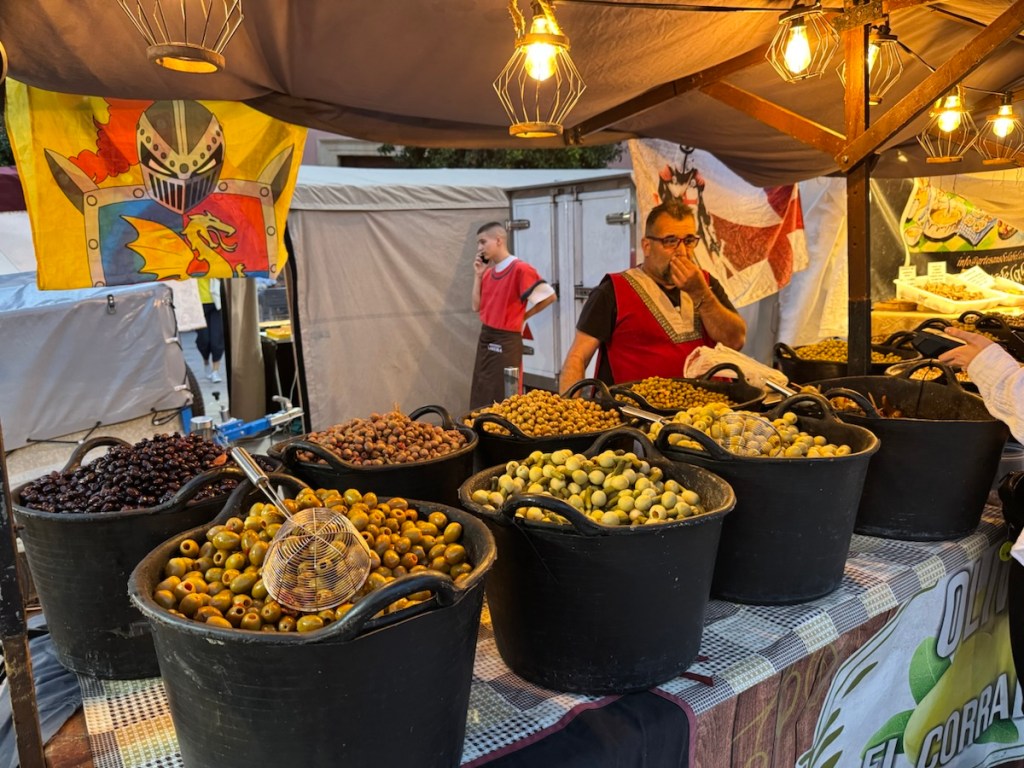
When we finally emerged, we followed signs to a medieval market, and found stalls selling a variety of crafts and food. Many of the stall holders had entered into the spirit of it with traditional dress, although I did spot one busy on a mobile phone, not quite in keeping with the period!



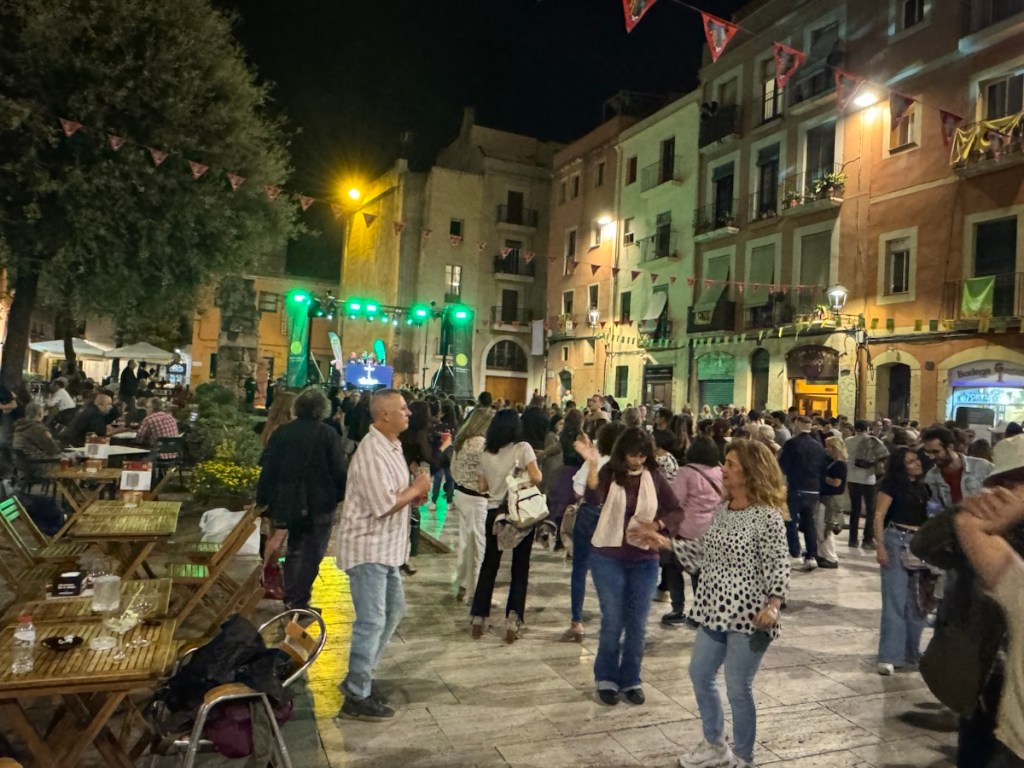
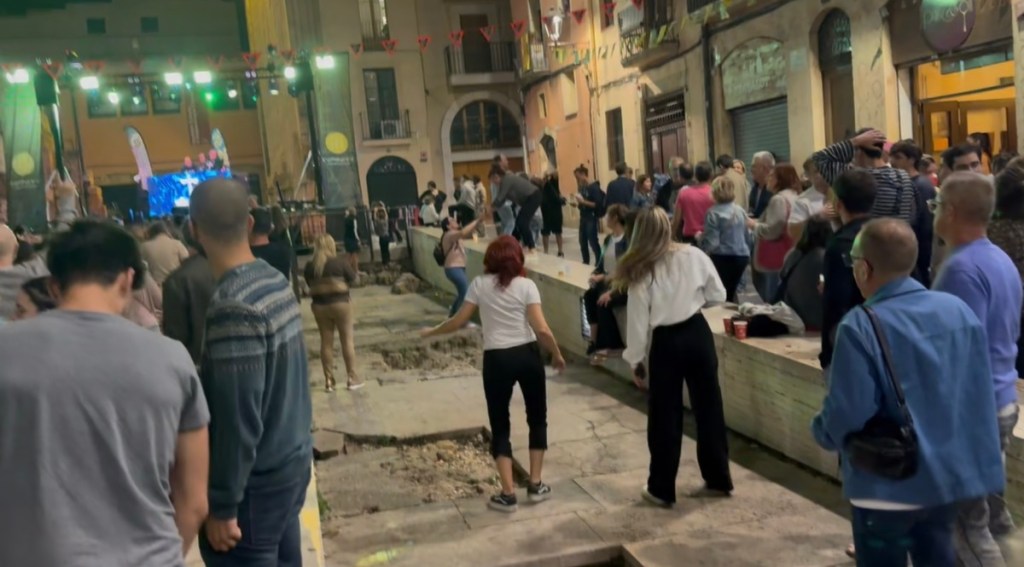
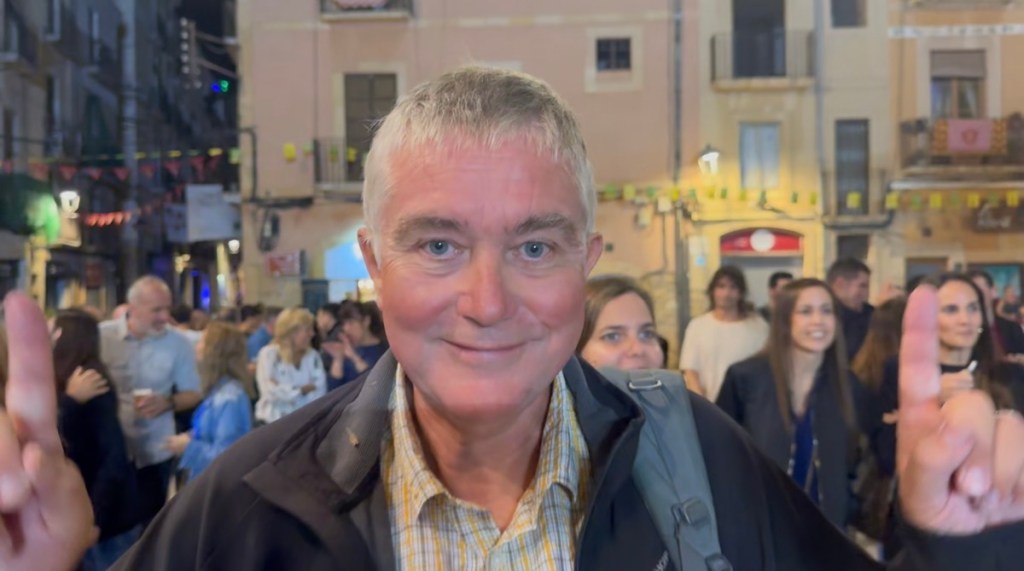
We finished a long day with tapas in an attractive square on the site of the Roman forum, Plaça del forum. We sat at one of the many restaurants around the square, while we were eating there was a stage setting up. A while later, a DJ started and the area became alive, the locals were immediately up dancing and it wasn’t long before everyone joined in, including Paul! People filled the square until the early hours of the morning, even dancing on top of some partially uncovered Roman ruins.
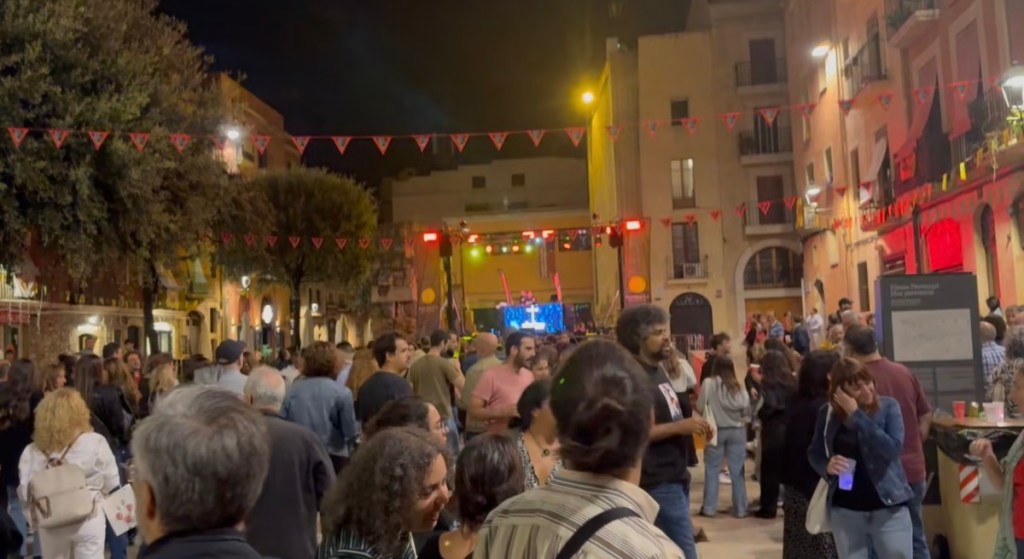
We discovered that the entertainment and festivities were all part of a European cultural event and that entry to all historic sites was free over the next couple of days. So we extended our stay at the marina to make the most of the opportunity and explore the city further.
Also, there was still a lot of weather out to sea so an extended stay in a marina was a bit of a luxury.

 Sailing ZigZag
One reply on “Tarragona”
“Keep up the bad work” must be some youthful irony that passed me by, so forgive me for not “getting down with the kids” and instead writing “keep up the good work!”
Always enjoy the Friday morning sun, sea and culture, but more so this week as it was so unexpected from after the travelogue from Barcelona, and also the opening paragraph had me fearing that you and Ziggy were about to befall some calamity.
Tarragona’s tourist board need to sign you up for next year to publicise their city, and I can imagine Portillo and Palin being usurped by “Sue and Paul’s Ziggy Journeys” – if you need an agent contact me – in true Eric Hall manner I will let you keep my 80%!😉
Looking forward to next week as always.
LikeLiked by 1 person