
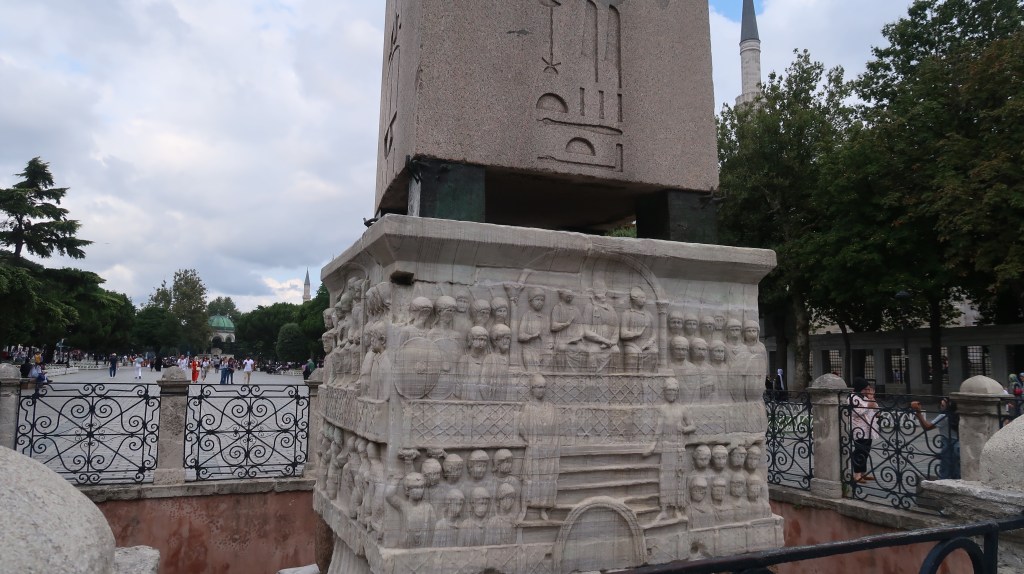
Energised by another extensive Turkish breakfast, we left the hotel to continue our tour around Istanbul. It was a short five minute walk back to the historic Sultanahmet district and the site of the Roman open air Hippodrome. Commissioned in the 2nd century, it had a capacity of 100,000 and for the following 1,000 years, it was the site of chariot races. The Hippodrome eventually collapsed into ruins and there is now no trace of it other than the three Egyptian obelisks which are still standing. The preserved open space running alongside the Blue Mosque gives you an idea of its original size.


Next stop was the Topkapi Palace, a huge, opulent 15th century palace. It served as the administration, education and art center of the Ottoman Empire, and was the main residence of its sultans for 400 years.

The palace has expanded over the centuries, with major renovations after the 1509 earthquake and the 1665 fire. The complex consists of four main courtyards and many smaller buildings.
After the 18th century, Topkapi gradually lost its importance. The sultans of that period preferred to spend more time in their new palaces along the banks of the Bosphorus. In 1856, it was decided to move the court to the newly built Dolmabahçe Palace. Topkapi retained some of its functions, including the imperial treasury, library and mint. After the fall of the Ottoman Empire in 1923, it was transformed into a museum housing an extensive collection of Ottoman treasures. The library is stocked with rare books, manuscripts, Holy Relics and initial copies of the Quran.
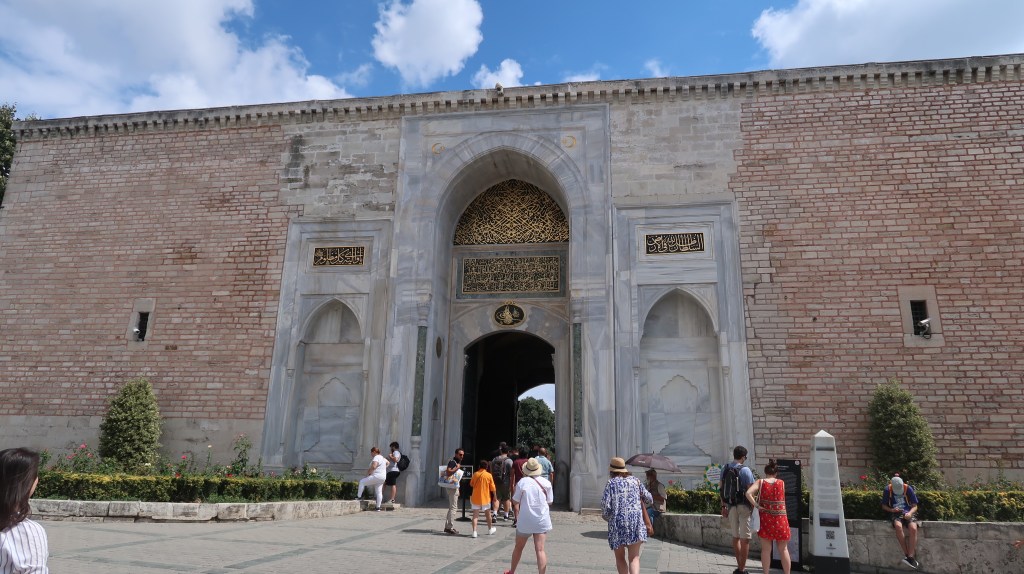
We entered through the grand Imperial Gate into the grounds of the palace, in the first court we came to the Hagia Irene, a Byzantine church. It is the oldest church of the Eastern Roman Empire and was for many centuries the second largest church in İstanbul after Hagia Sophia.

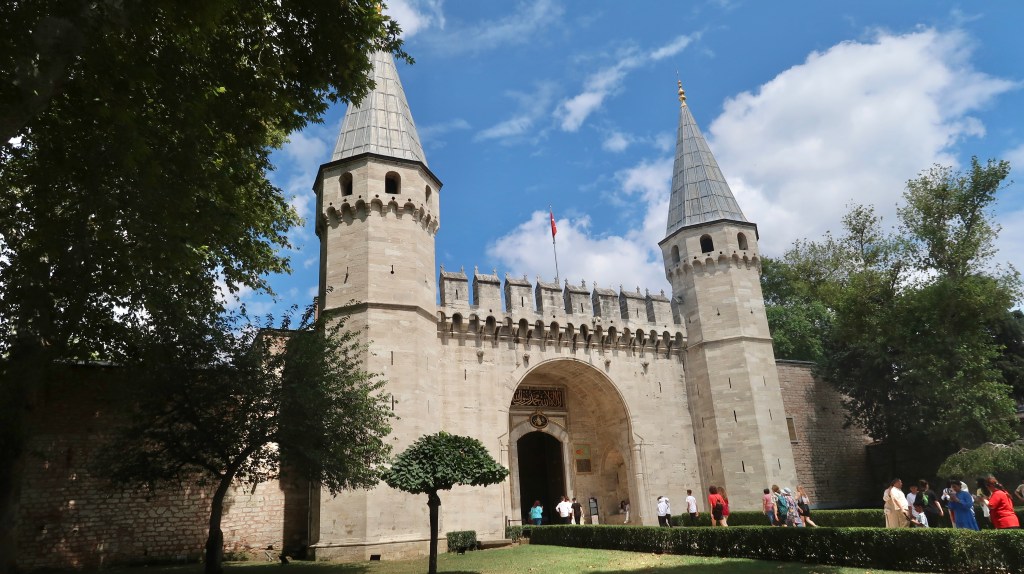
The Gate of Salutation led to the second courtyard which has a park like setting and was used for the business of running the empire.


Here we found the palace kitchens with a large collection of Chinese porcelain which was valued by the sultans as it was reported to change colour if touched by poisonous food. There was also many kitchen utensils and pots on display, they were very keen on sweets with a separate confectionery kitchen and coffee was becoming popular with the Ottomans with a range of coffee pots on display.


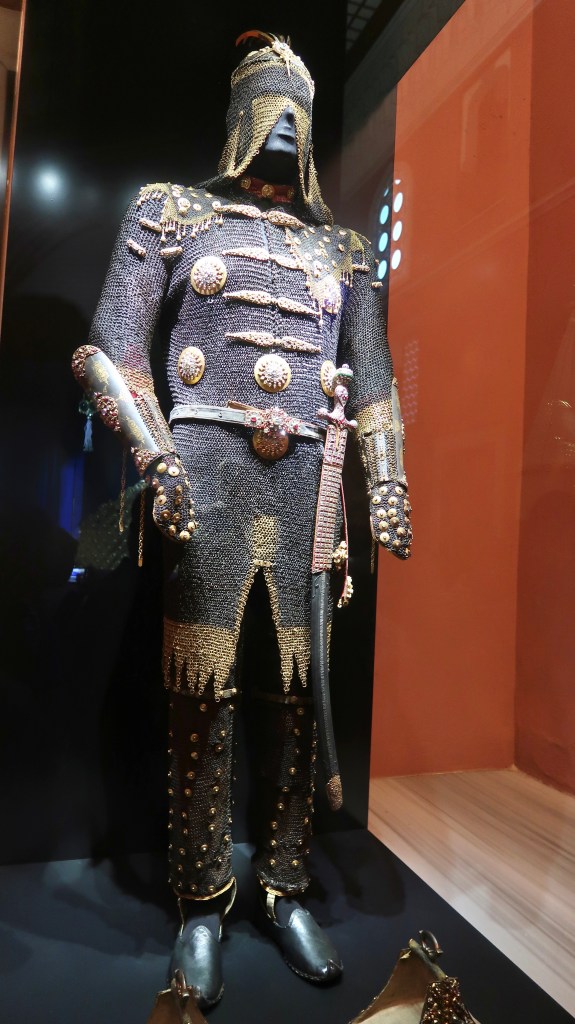
At the end of this pathway we came to the Outer Treasury where the Ottoman arms and armour is displayed.


Female members of the Sultan’s family lived in the harem, the Sultans supported as many as 300 concubines and were allowed up to four legitimate wives. Unfortunately we weren’t allowed in here during our visit.

The third courtyard is entered through the Gate of Felicity to the Sultans private domain. Inside there is an audience chamber where important officials would be brought to conduct the high business of the state. The Sultan was thought to listen to any gossip through the gold iron barred window before addressing his audience.


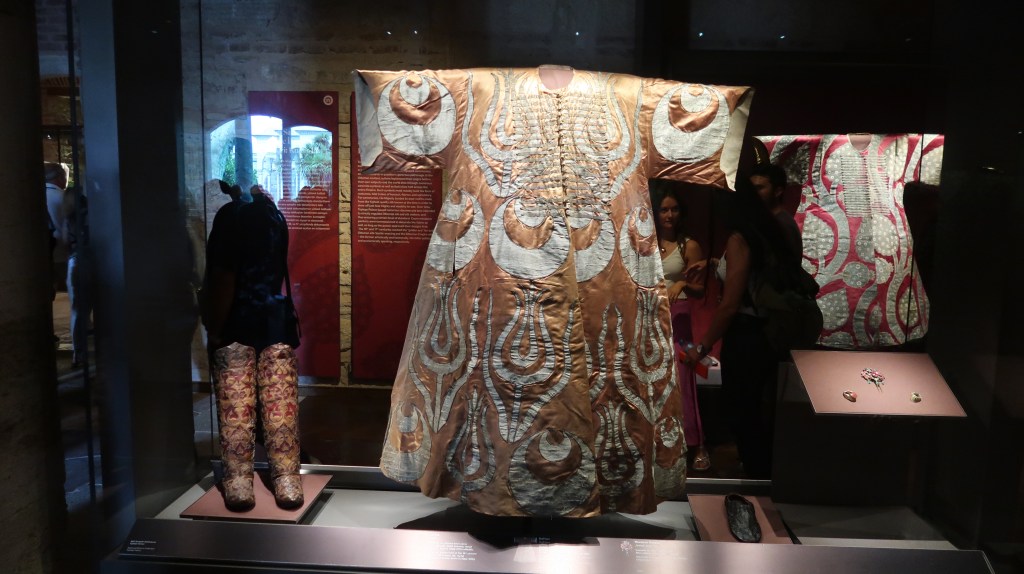
In this court there are also buildings displaying the palaces rich collection of Ottoman robes, kaftans and uniforms sewn with gold and silver thread.


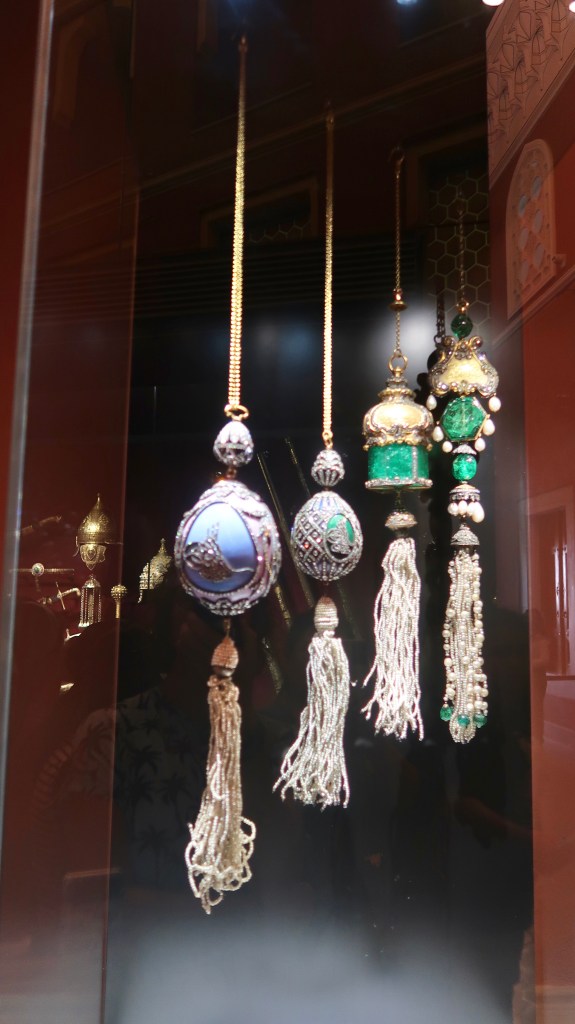
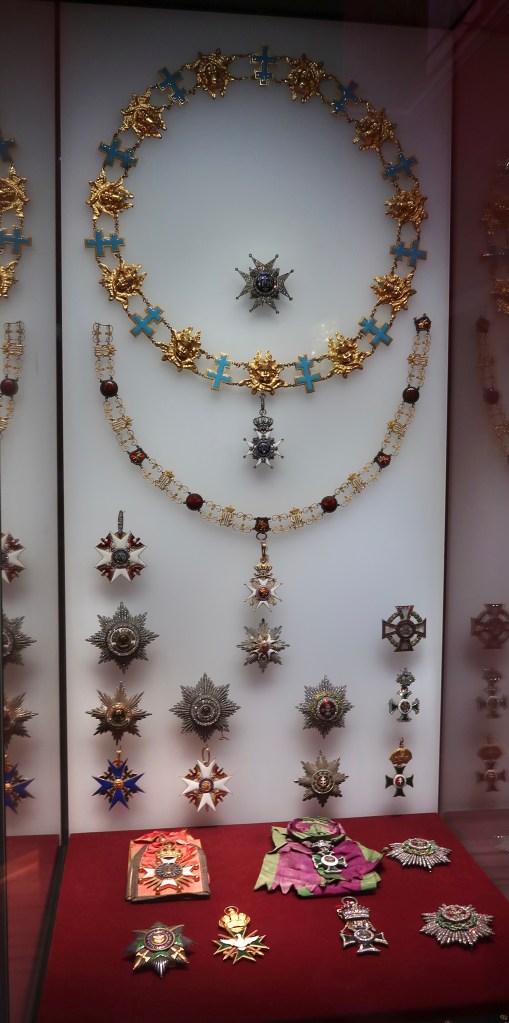
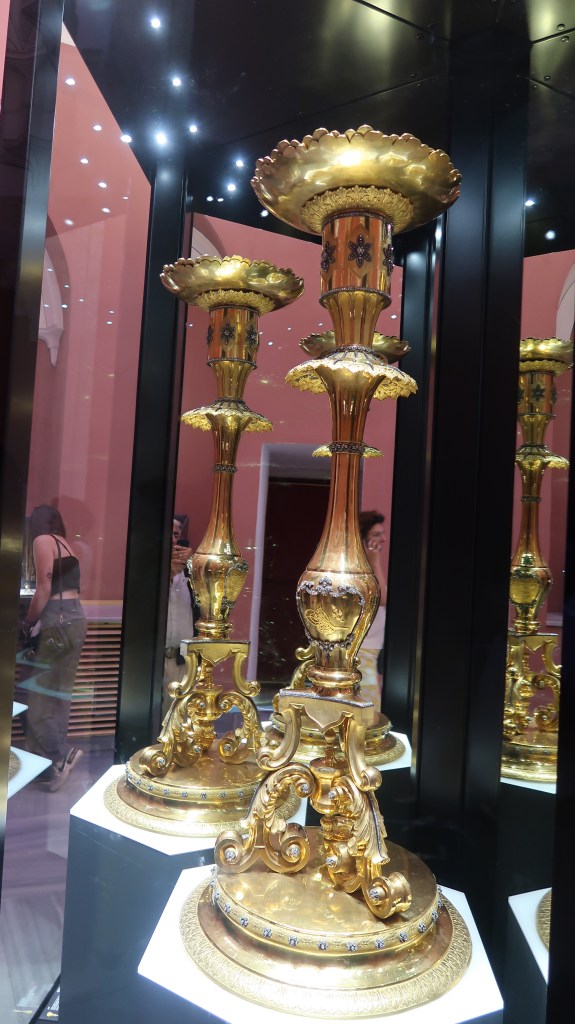
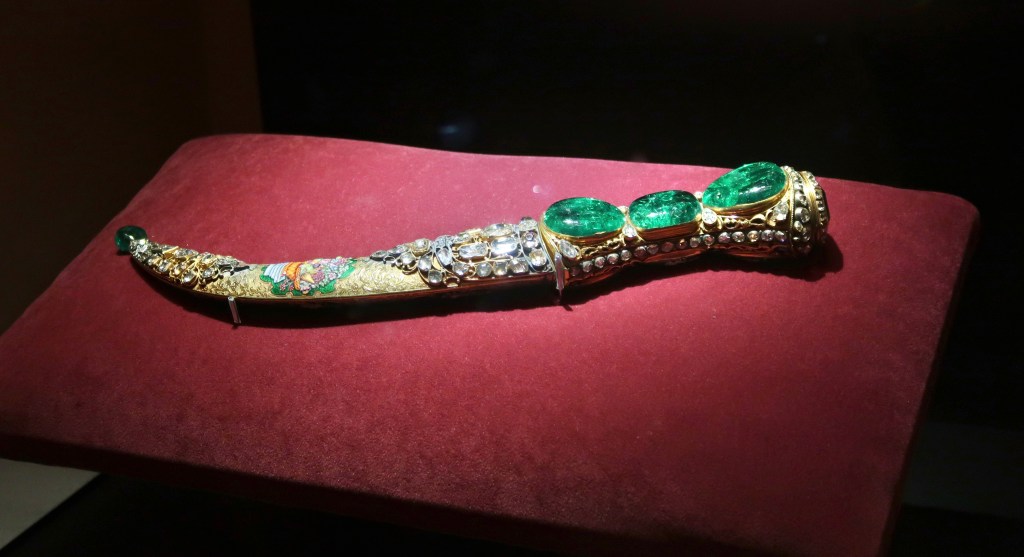
After a small queue we entered the imperial treasury which held the Crown Jewels. The collection of objects here were all made from or decorated with gold, silver and precious stones. The famous Topkapi dagger with three enormous emeralds is displayed here, along with the spoon makers diamond, a teardrop shaped 86 carat rock surrounded by dozens of smaller stones.

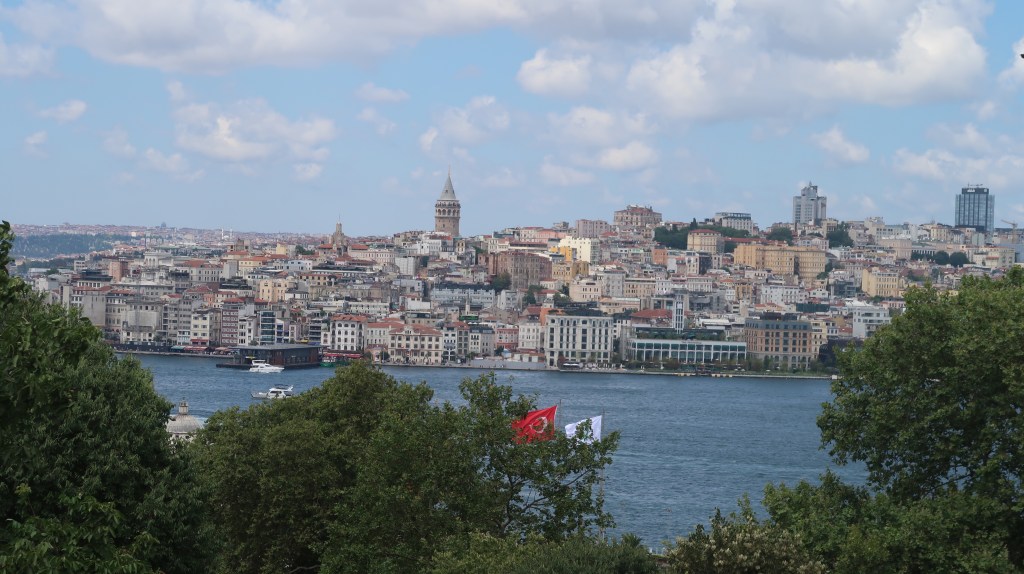
The 4th court was for pleasure, with pavilions, kiosks, ornate gardens and a marble terrace with great views over the Bosphorus.
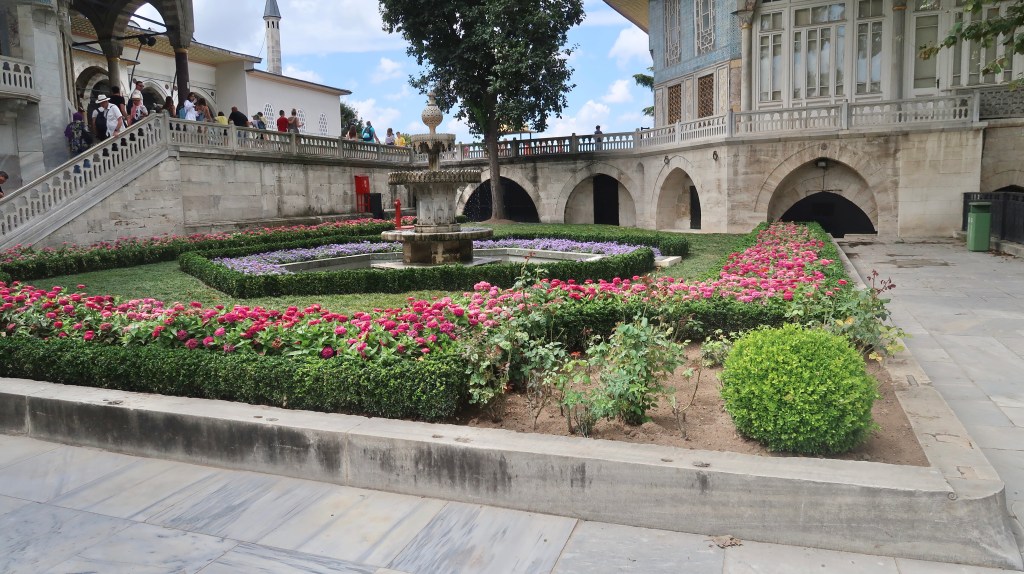
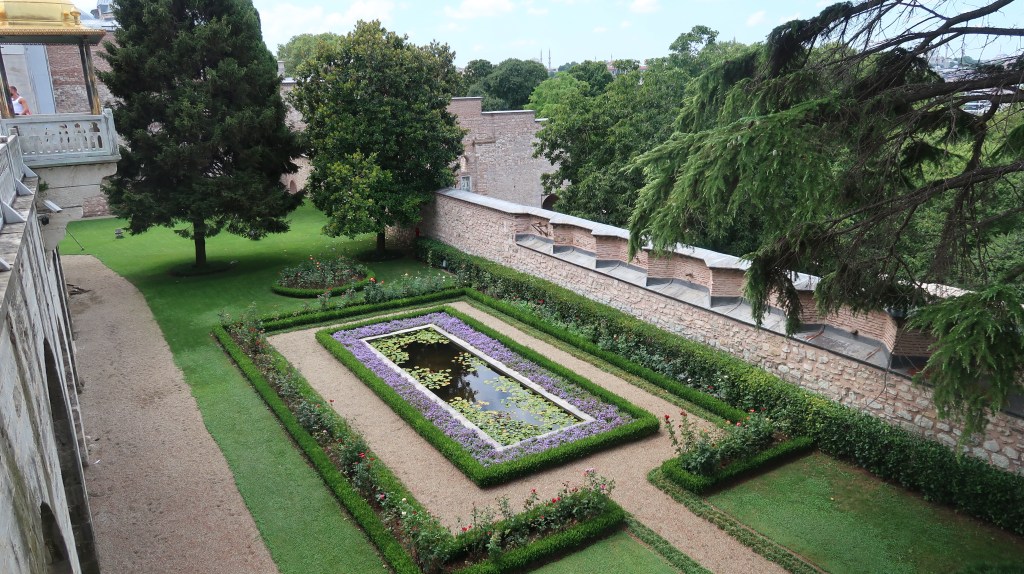


After walking around many of the buildings and displays in the palace, we stopped for refreshments before continuing on to the nearby Archeological museum.

The Museum, has more than one million artifacts from the imperial lands in its collection. Among these artifacts are Sarcophagi from various sites including the Royal King Necropolis excavations of Sidon (Saida in modern day Lebanon) which were carefully transported to Istanbul. They were unearthed in 1887 by the archaeologist, painter, and museologist, Osman Hamdi Bey, and were considered the most important discovery of the period.
There was a need for a museum building where these important artifacts could be exhibited. Osman Hamdi Bey was given control of this project and the museum was opened to visitors on 13 June 1891. The facade of the building was inspired by the Alexander Sarcophagus and the Sarcophagus of the Mourning Women, both are displayed inside the museum along with others excavated at the site in Sidon.
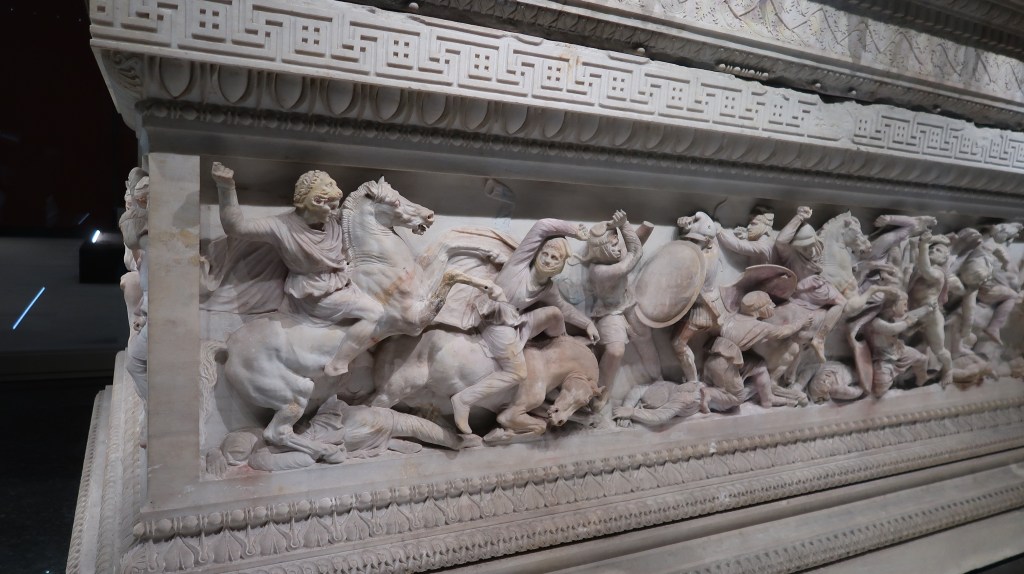
The very well preserved Alexander Sarcophagus is dated 312 BC and intricately carved with war and hunting scenes.


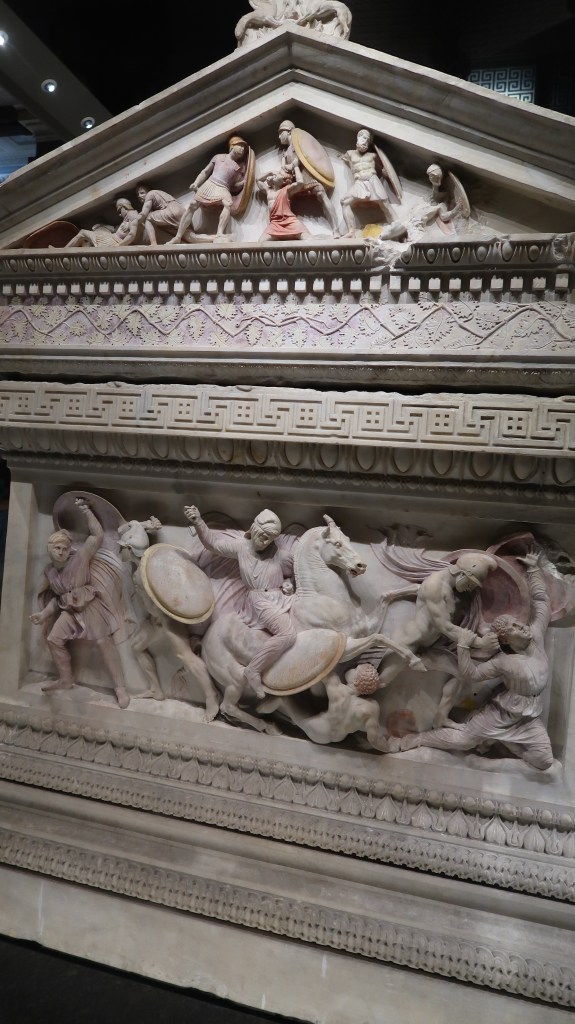
It has a war scene with Alexander the Great (on horseback with a lions skin on his head) carved onto its side. It was once thought to have been prepared for Alexander the Great, but it is actually now believed to hold Abdalonymus, the last king of Sidon.
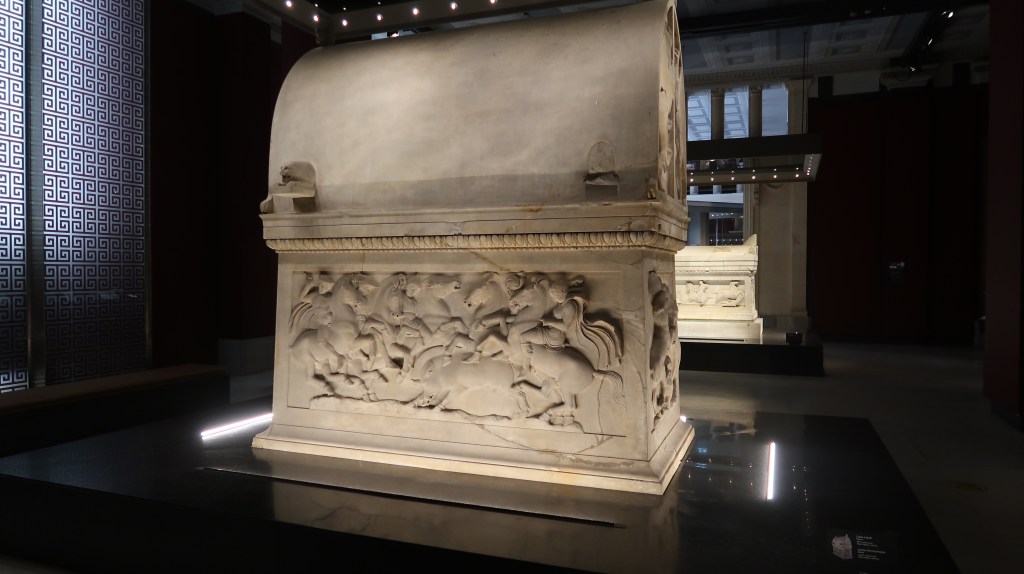
Another important find is the Sarcophagus of the mourning women dated 350 BC. This had been looted long ago. The women are all portrayed in different poses with sad faces. One theory is that the 18 women are all the wives of the tomb owner or his family.

There are a range of other sarcophagi and tombs displayed throughout the halls.
The sarcophagus known as Tabnit’s Mummy is dated 6th century BC. It has a hieroglyph inscription on the chest showing it’s first owner was an Egyptian commander called Peneptah.

Phoenician writing on the toe shows the second owner was Tabnit, the king of Sidon. The script translates as a curse.
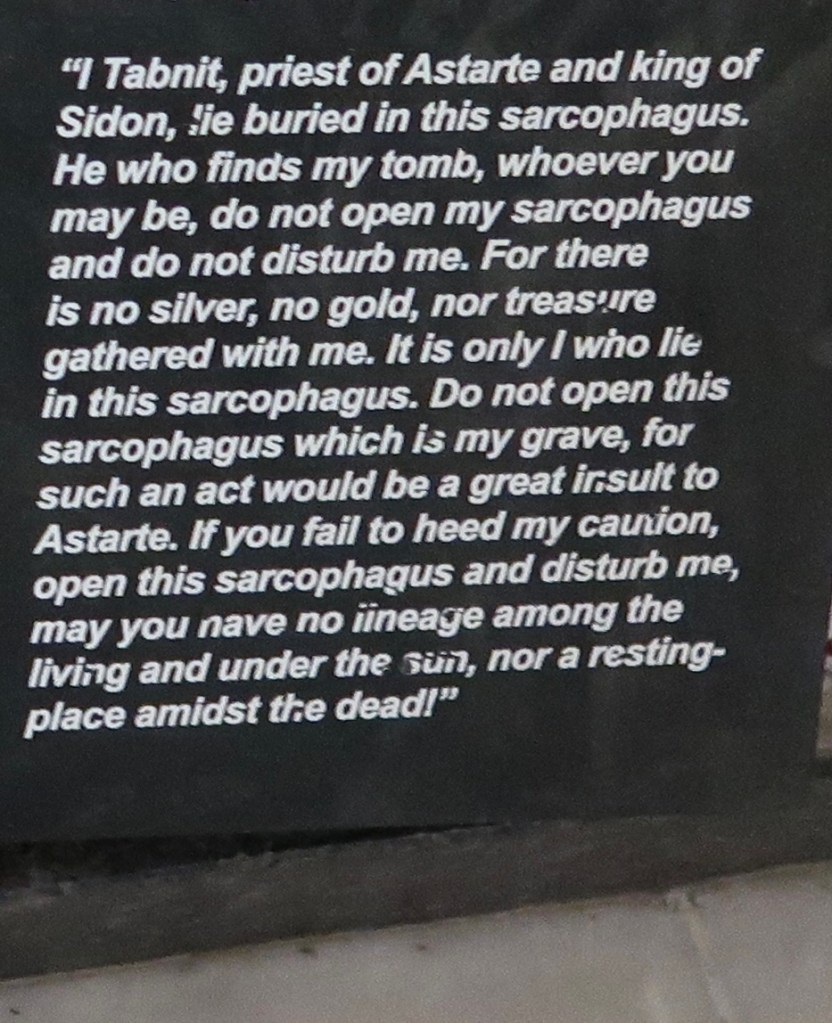
However, one of the other tombs was open, I hope it didn’t have the same curse!

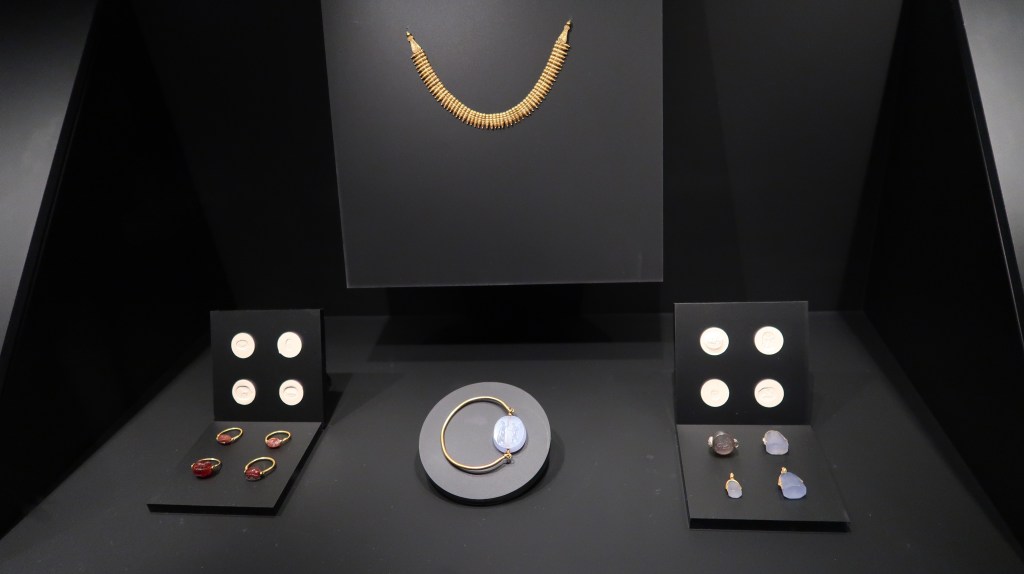
In further exhibition halls there are large collections of Roman and Hellenistic Jewellery, much of this looked very similar to jewellery today.


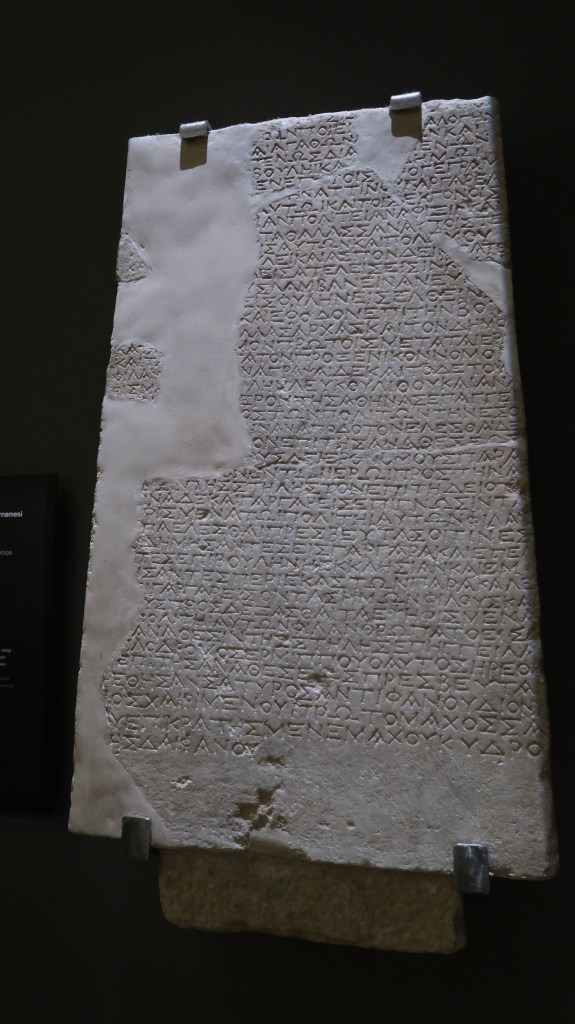
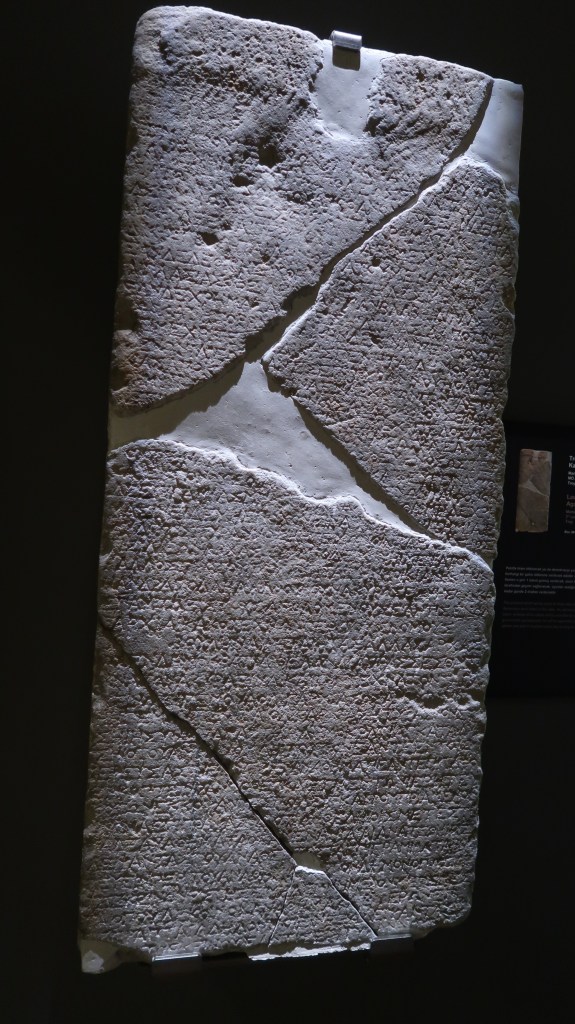
The museum also has some of the oldest marble scripts and treaties and halls full of statues collected from the many sites around Turkey


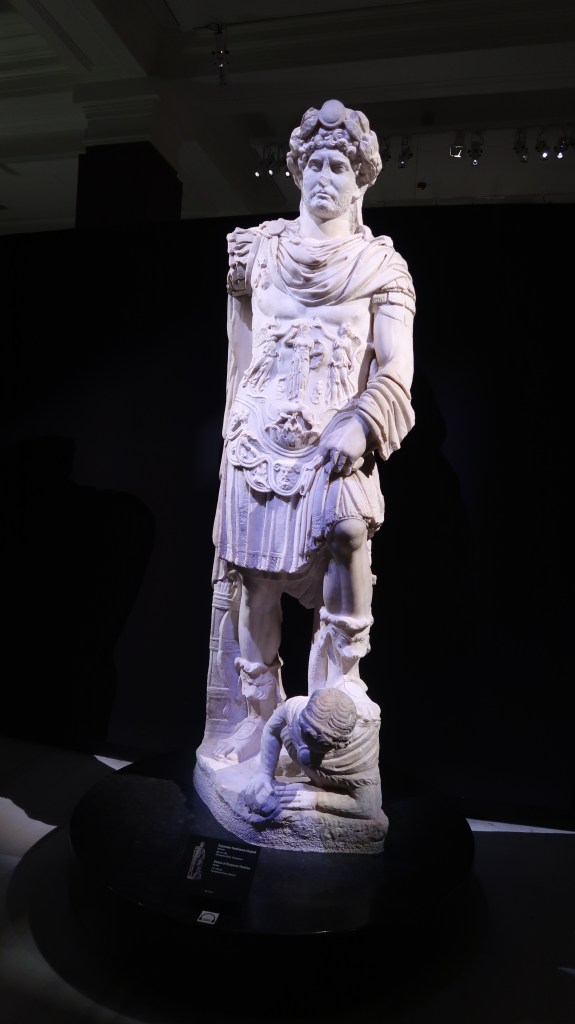

Alexander the Great.
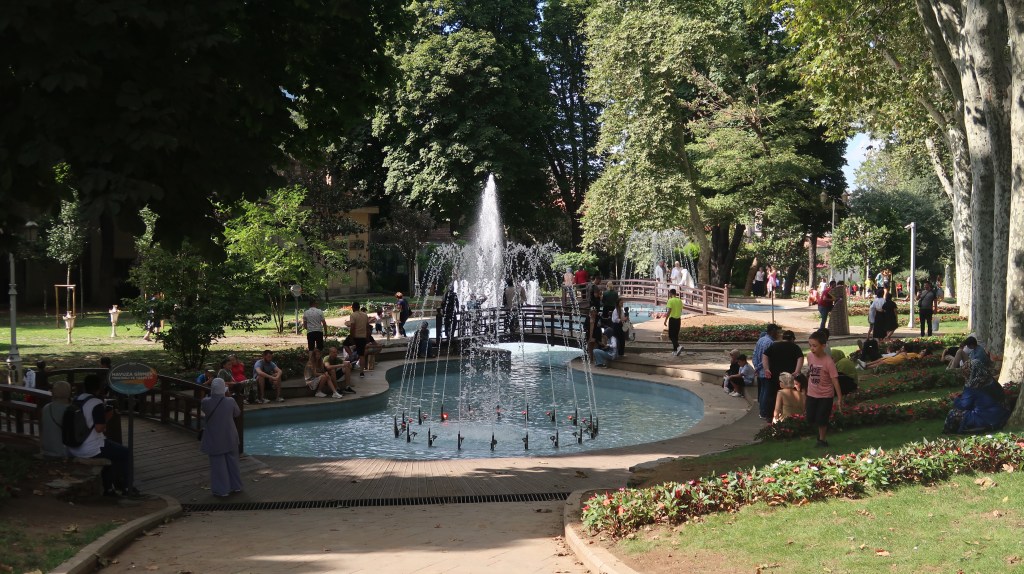
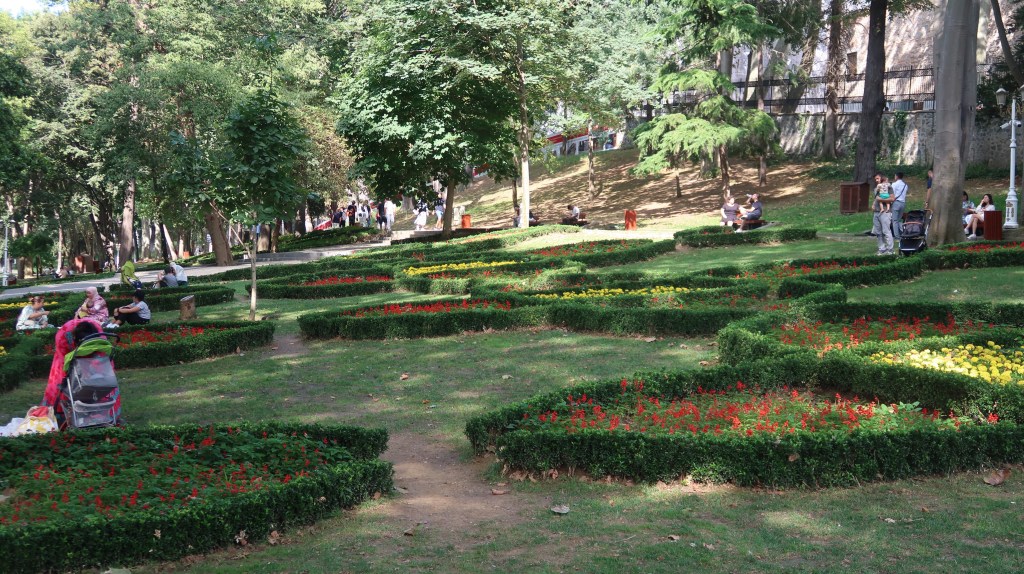
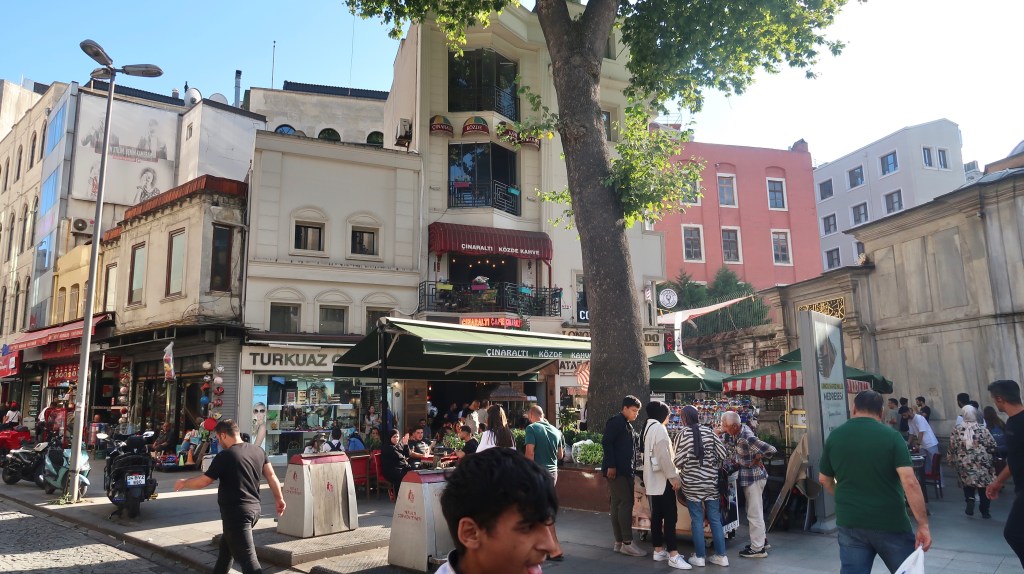
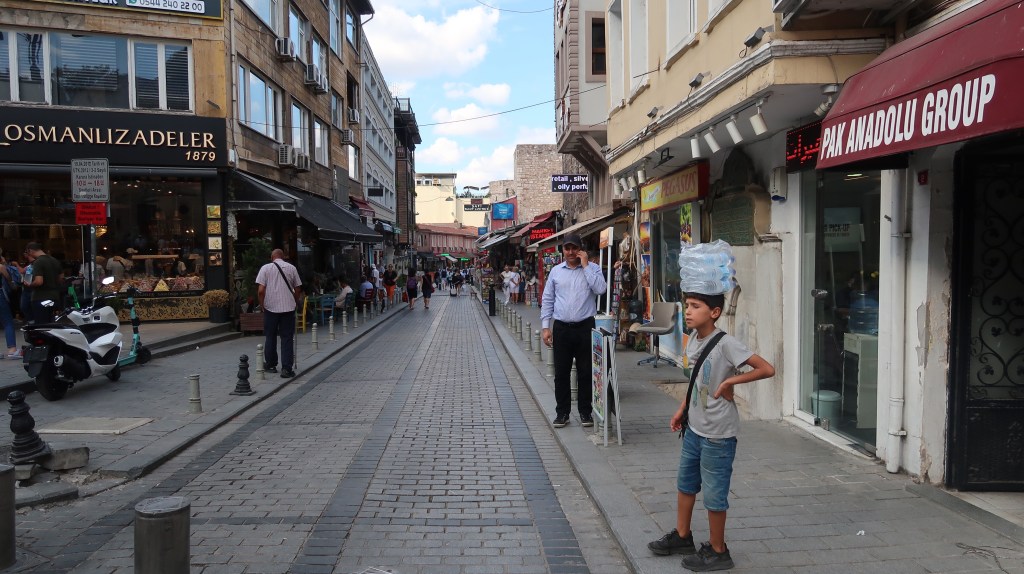
Having spent most of the day looking around museums and feeling like a rest, we walked through the Gülhane park where we found a pleasant cafe amongst the trees. After a refreshing cup of chai we continued on through the city towards the waterfront.



Obviously we were missing being on the water so decided to have a cruise along the Bosphorus Strait. We got on one of the many trip boats which were all very busy but we managed to get a top deck seat. It was nice to sit back, relax and let someone have control of the boat for a couple of hours.
Along the way we had great views over the city full of many waterside palaces, grand buildings, and mosques.
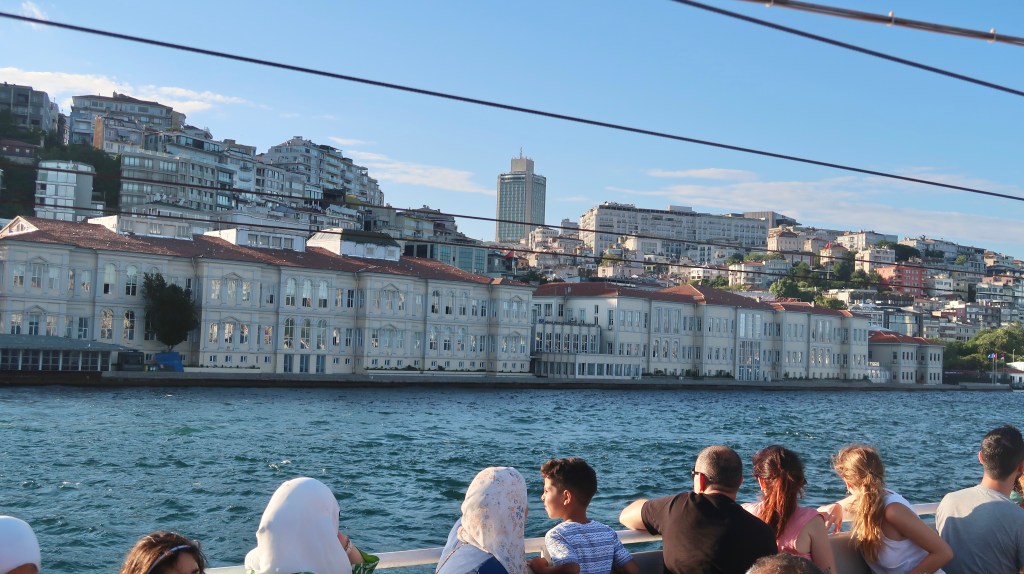
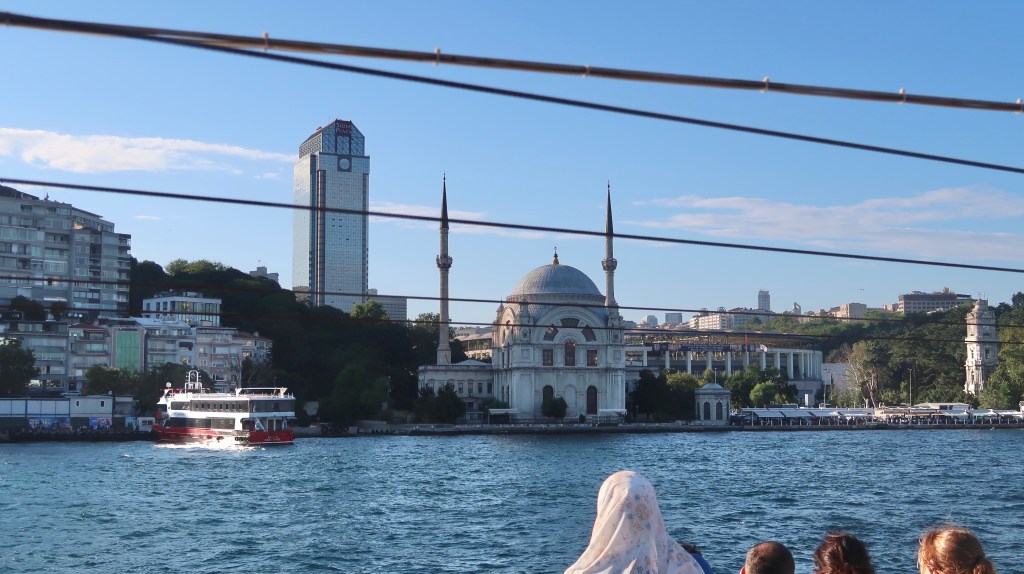

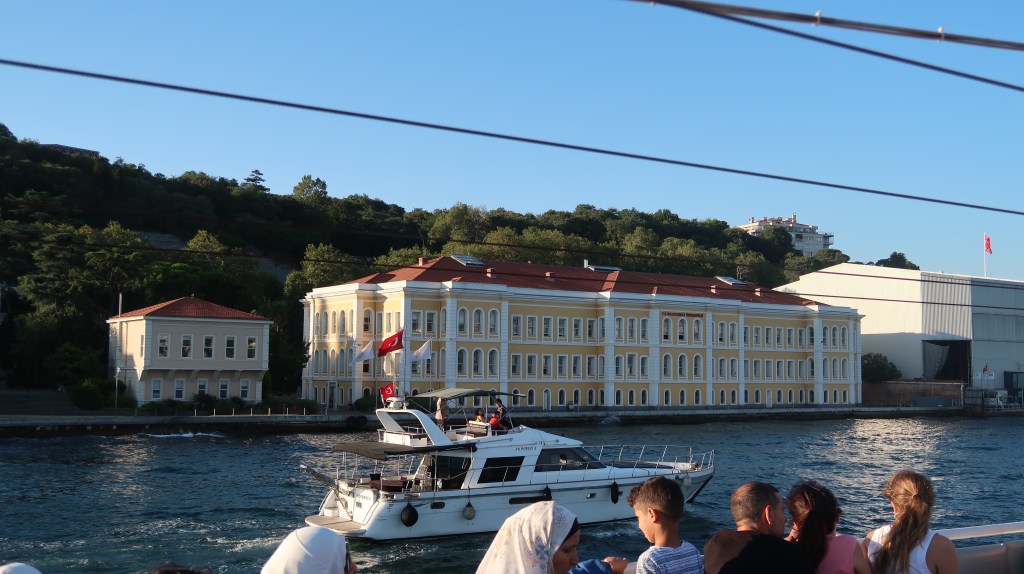
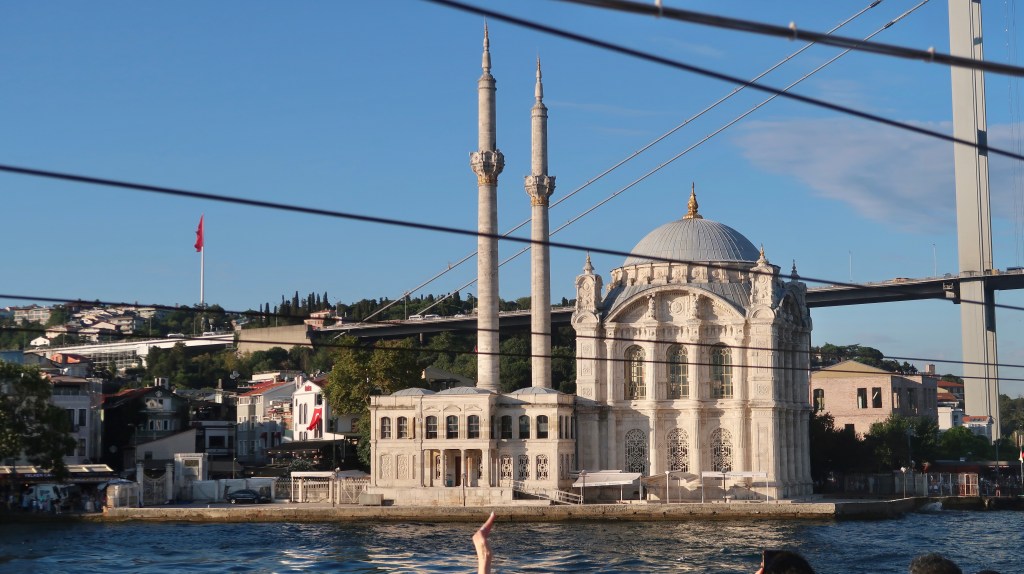
Mosques of all sizes dominated the hillsides.

We continued on through the narrowest part of the Strait before turning around to head back along the opposite bank. This part of town didn’t look quite so affluent.

The straights were busy with many trip boats and large commercial vessels. It definitely didn’t look like this container ship would fit under the bridge. We carried on past more elaborate buildings and mosques.

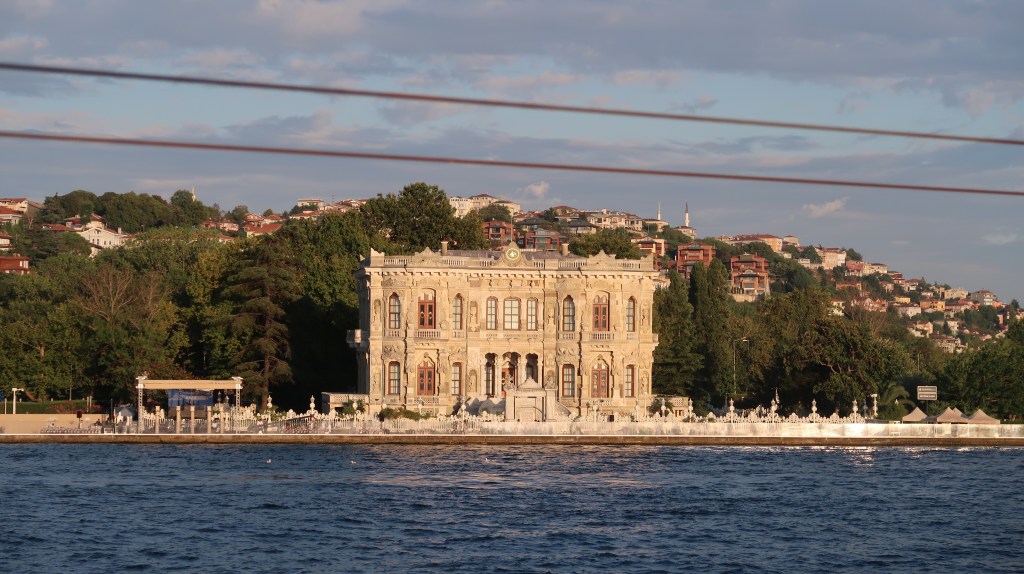
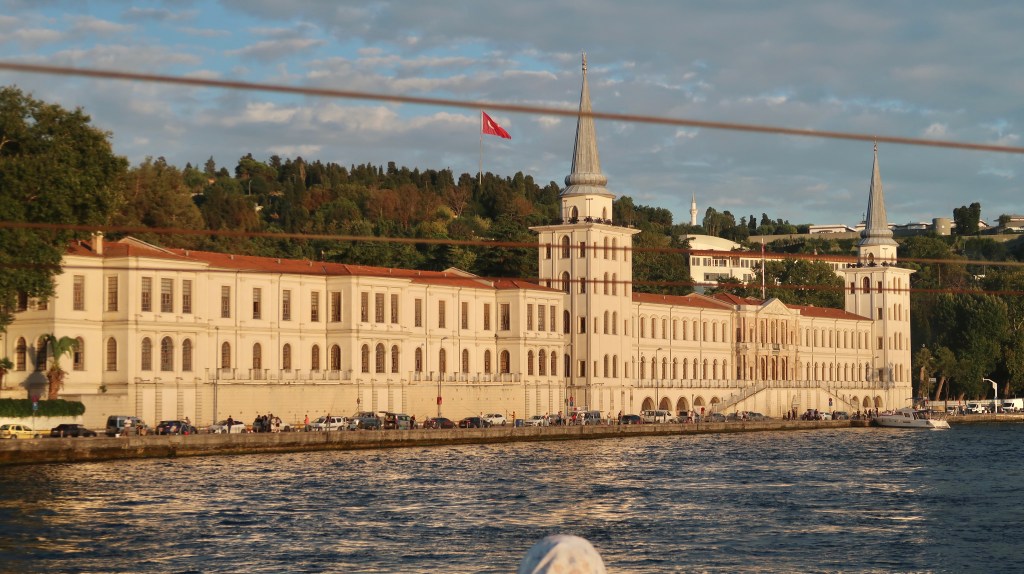

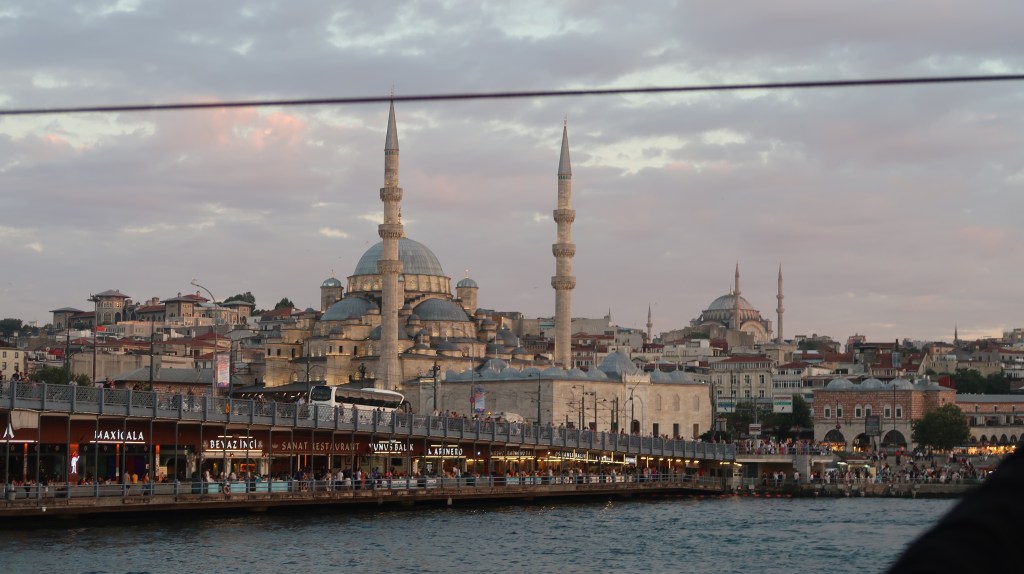
The timing was perfect with the sun setting as we approached the end of the trip, lighting up the skyline of minarets.

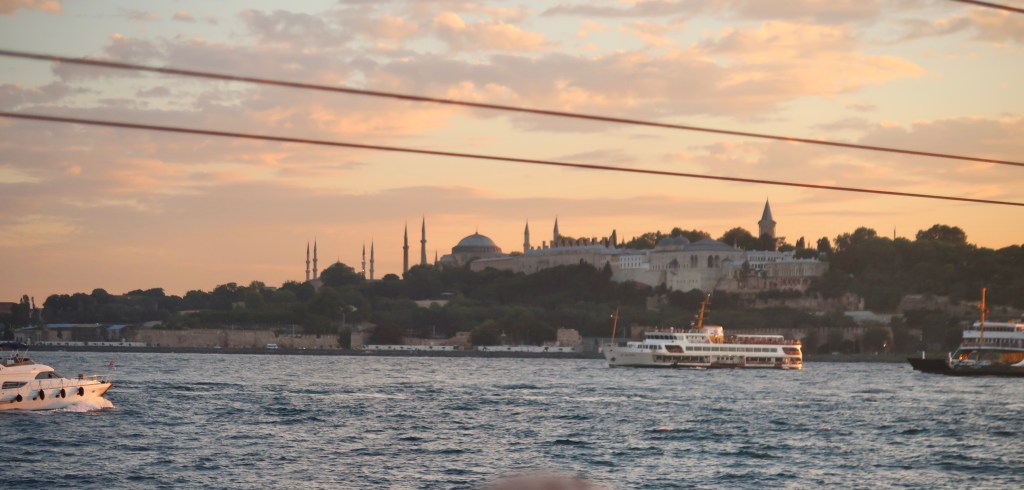

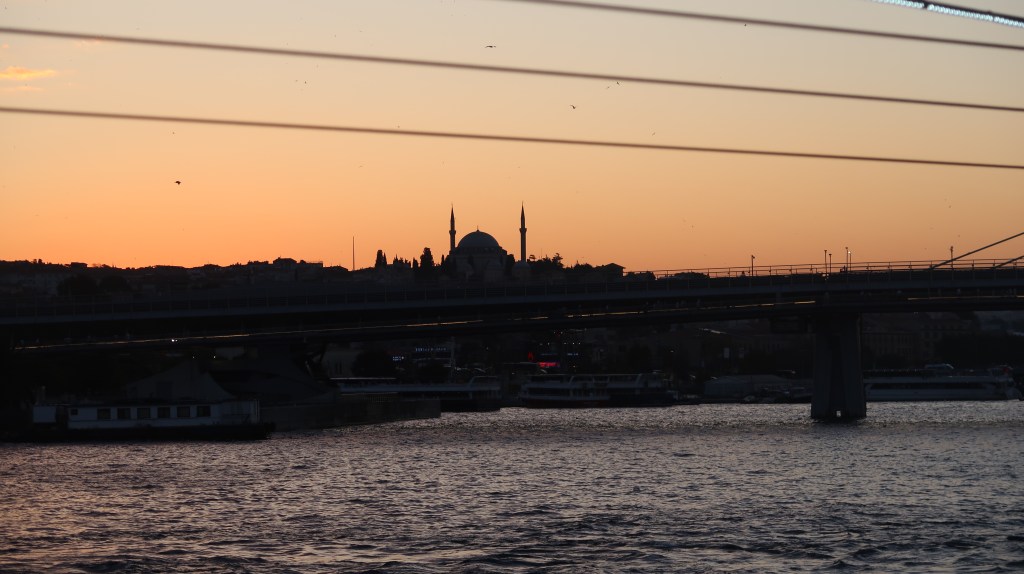
Once back at the dock, we stepped on to dry land and caught one of the numerous trams back up the hill to the Hippodrome. We walked past the illuminated grand mosques and found a small family run restaurant close to our hotel for dinner. It had been a very long but interesting day.
This was the end of our short stay in Istanbul, we managed to visit some of the main sites but there’s still a lot more to see. We would love to return one day, but our plan is to leave in the morning and satisfy a long held ambition by visiting Troy on our way back to ZigZag.
 Sailing ZigZag
2 replies on “Palaces and Museums”
What a great blog this week. It conveys just how brilliantly talented people have been for such a long time. Those sarcophagi carvings are just incredible. I always think that as the carver approaches the end, the pressure must mount not to make a mistake and have to start again 🙂 But what truly amazing craftmanship.
I can’t imagine any of our grand stadiums lasting 1000 years. Now that is building things to last….
Good luck in getting in to Troy, I look forwards to seeing pictures of you crammed in to a horse 🙂
If you do get to sail, safe onwards travels.
LikeLiked by 1 person
Istanbul looks amazing. Not sure about that open tomb but I do like the coloured tiles they use on the walls! Found it mildly amusing that your couple of days off the boat involved a boat trip! 😃
LikeLiked by 2 people